
Loading...
Per 100g
Nutrition data source: USDA FoodData Central
Common measurement equivalents in grams
Yes, drumstick vegetable is highly nutritious. It's packed with Vitamin C, dietary fiber, and essential minerals like calcium, potassium, and iron. These nutrients support immune function, digestion, bone health, and blood pressure regulation, making it a very beneficial addition to your diet.
Per 100g, drumstick vegetable contains approximately 64 calories, 2.1g protein, 14.5g carbohydrates, and only 0.2g fat. It's an excellent source of Vitamin C, fiber, calcium, potassium, and iron. It also offers antioxidant and anti-inflammatory compounds, contributing to overall well-being.
Yes, drumstick vegetable can be beneficial for weight loss. It is low in calories and fat, while being rich in dietary fiber. The fiber helps promote satiety, aids digestion, and can contribute to a feeling of fullness, potentially reducing overall calorie intake.
Yes, drumstick vegetable is entirely suitable for both vegan and vegetarian diets. It is a plant-based ingredient, specifically the fruit pod of the Moringa oleifera tree, and contains no animal products or by-products.
Yes, drumstick vegetable is naturally gluten-free, making it safe for individuals with celiac disease or gluten sensitivity. While it contains carbohydrates (14.5g per 100g), it can be consumed in moderation on a keto diet, especially given its high fiber content, but careful portioning is advised to stay within carb limits.
Drumstick vegetables are typically cut into 2-3 inch pieces, and the fibrous outer skin is often scraped or peeled off before cooking. They are commonly boiled, steamed, or added to curries, sambar, stews, and soups. The soft pulp inside is then scraped out and eaten, discarding the tough outer skin.
drumstick vegetable is a versatile ingredient found in cuisines around the world. With 64 calories per 100g and 2.1 grams of protein, it's a nutritious addition to many dishes.
Explore more ingredients in the other category with complete nutrition information.
View all other →Discover 0 recipes featuring drumstick vegetable with step-by-step instructions.
Browse recipes →Drumstick vegetable has a unique, slightly bitter, and subtly sweet taste with a fibrous texture. When cooked, it readily absorbs the flavors of the spices and gravies it's prepared with, offering a distinct earthy and somewhat pungent aroma that complements many dishes.
To store fresh drumstick vegetable, wrap them in a damp cloth or paper towel and place them in a perforated plastic bag in the refrigerator's crisper drawer. This method helps maintain their freshness and prevents them from drying out for up to 5-7 days.
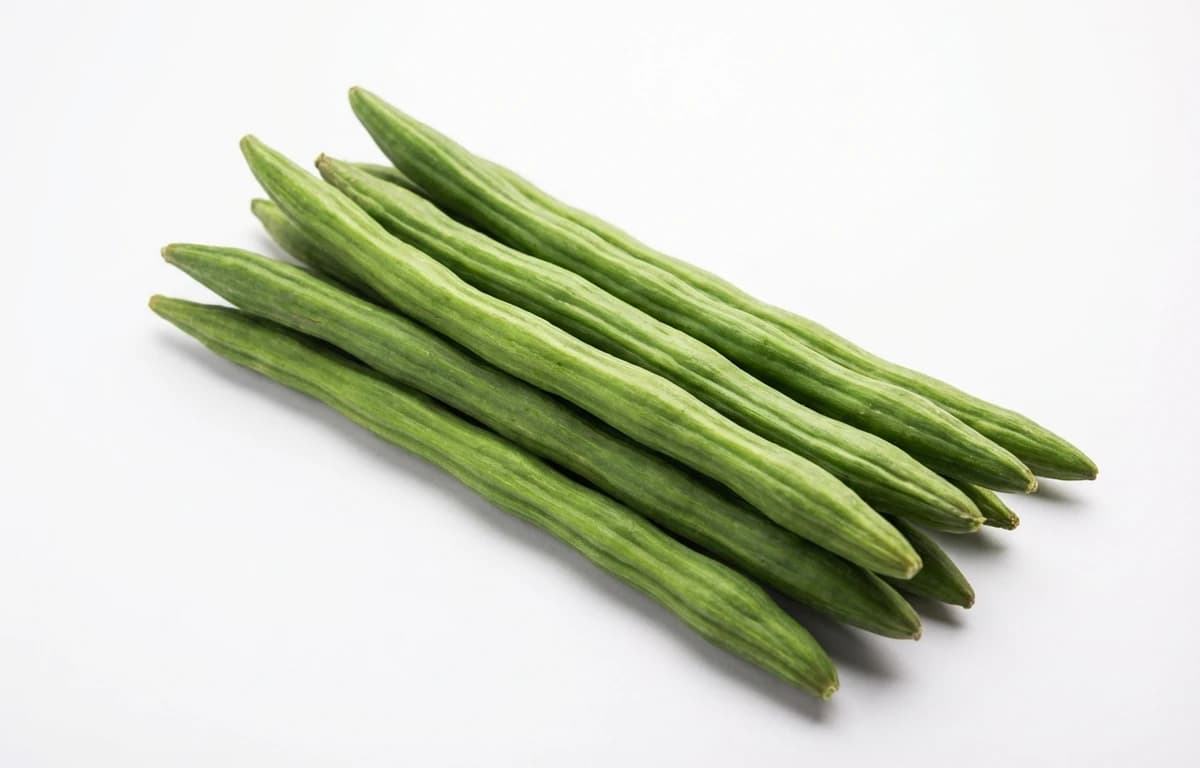
Look for drumstick vegetables that are firm, bright green, and free from blemishes, soft spots, or yellowing. Avoid those that appear shriveled, dry, or have a dull color, as these indicate they are no longer fresh and may have lost their flavor and texture.
While the leaves of the Moringa tree (Moringa oleifera) are often eaten raw, the drumstick pods themselves are typically cooked. The fibrous nature and slightly bitter taste of the raw pods make them less palatable for raw consumption, and cooking helps soften them and enhance their flavor.