grain1 recipes
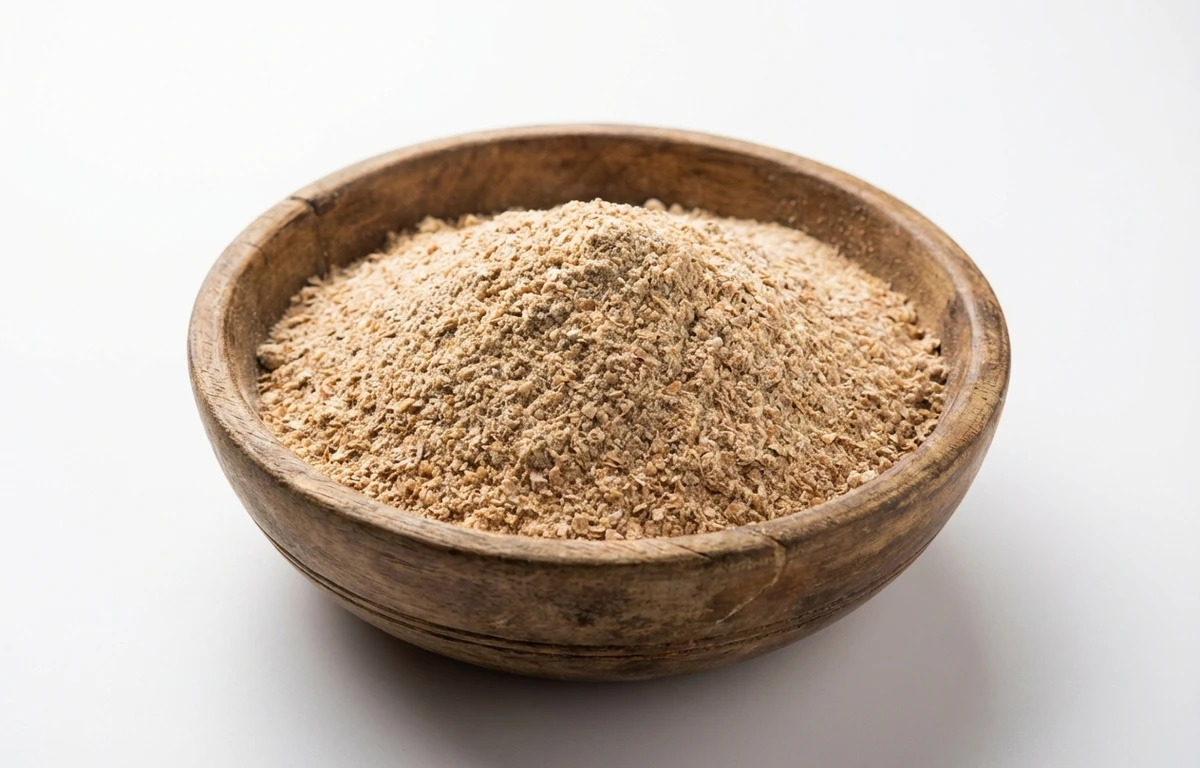
Dry Atta.
VegetarianVeganGluten-freeDairy-freeNut-freePeanut-freeSoy-freeEgg-freeShellfish-freeHoney-freeAlcohol-freeWhole grain
SERVING
CALORIES
340
PROTEIN
13.7g
CARBS
72.6g
FAT
2.5g
FIBER
10.7g
NUTRITION PROFILE · per 100 g
Everything in this ingredient.
MACRONUTRIENTS
Calories340kcal—
Protein13.7g27%
Carbohydrates72.6g26%
Fiber10.7g38%
Sugar0.40g1%
Total fat2.5g3%
Saturated fat0.40g2%
Cholesterol0mg0%
Water11g—
MINERALS
Sodium2.0mg0%
Potassium363mg8%
Calcium34mg3%
Iron3.6mg20%
Magnesium137mg33%
Phosphorus330mg26%
Zinc2.7mg25%
Copper0.40mg44%
Manganese3.8mg165%
Selenium70µg127%
VITAMINS
Vitamin E1.1mg7%
Vitamin K2.7µg2%
Thiamin (B1)0.50mg42%
Riboflavin (B2)0.10mg8%
Niacin (B3)5.1mg32%
Pantothenic acid (B5)0.70mg14%
Vitamin B60.40mg24%
Folate (B9)44µg11%
%DV based on a 2,000 cal diet. Source: USDA FoodData Central. A dash in the %DV column means there’s no established Daily Value for that nutrient.
MEASUREMENT CONVERSIONS
How much is what.
1 cup132g
1 tablespoon8.3g
1 teaspoon2.8g
1 oz28.4g
1 lb453.6g
1 ml0.6g
1 liter550g
HEALTH BENEFITS
Why eat it.
- ✓High in dietary fiber, aiding digestion and promoting gut health.
- ✓Provides sustained energy release due to complex carbohydrates.
- ✓Rich in B vitamins (Thiamin, Niacin, B6) essential for metabolism.
- ✓Good source of minerals like iron, magnesium, and phosphorus.
- ✓Supports heart health by helping to lower cholesterol levels.
COOKING TIPS
In the kitchen.
- 1Knead with warm water for a softer, more pliable dough for rotis and chapatis.
- 2Allow the dough to rest for at least 20-30 minutes after kneading for better texture.
- 3Use for making traditional Indian flatbreads like roti, chapati, paratha, and puri.
STORAGE
Keep it fresh.
- Store in an airtight container in a cool, dry, and dark place.
- Keep away from direct sunlight and moisture to prevent spoilage.
- For longer shelf life, especially in humid climates, consider refrigerating.
FAQ
Frequently asked questions.
Is dry atta healthy?
Yes, dry atta is highly nutritious as it is made from whole wheat kernels. It is rich in dietary fiber, B vitamins, and essential minerals like iron and magnesium, which support digestion, metabolism, and heart health.
How much protein and fiber are in dry atta?
Dry atta contains approximately 13.7g of protein per 100g, making it a strong plant-based protein source. It is also high in dietary fiber, which aids in digestion and promotes long-term gut health.
Is dry atta good for weight loss?
Dry atta can be beneficial for weight loss because its high fiber content promotes satiety and helps prevent overeating. Its complex carbohydrates provide a sustained release of energy, which helps maintain stable blood sugar levels throughout the day.
Is dry atta gluten-free?
No, dry atta is not gluten-free. Since it is made from whole wheat, it contains gluten proteins that provide elasticity to dough. It should be avoided by individuals with celiac disease or non-celiac gluten sensitivity.
Is dry atta keto-friendly?
No, dry atta is not keto-friendly. It contains approximately 72.6g of carbohydrates per 100g, which exceeds the daily carb limit for most ketogenic diets. It is better suited for high-carb, low-fat, or balanced dietary patterns.
What is the difference between dry atta and maida (all-purpose flour)?
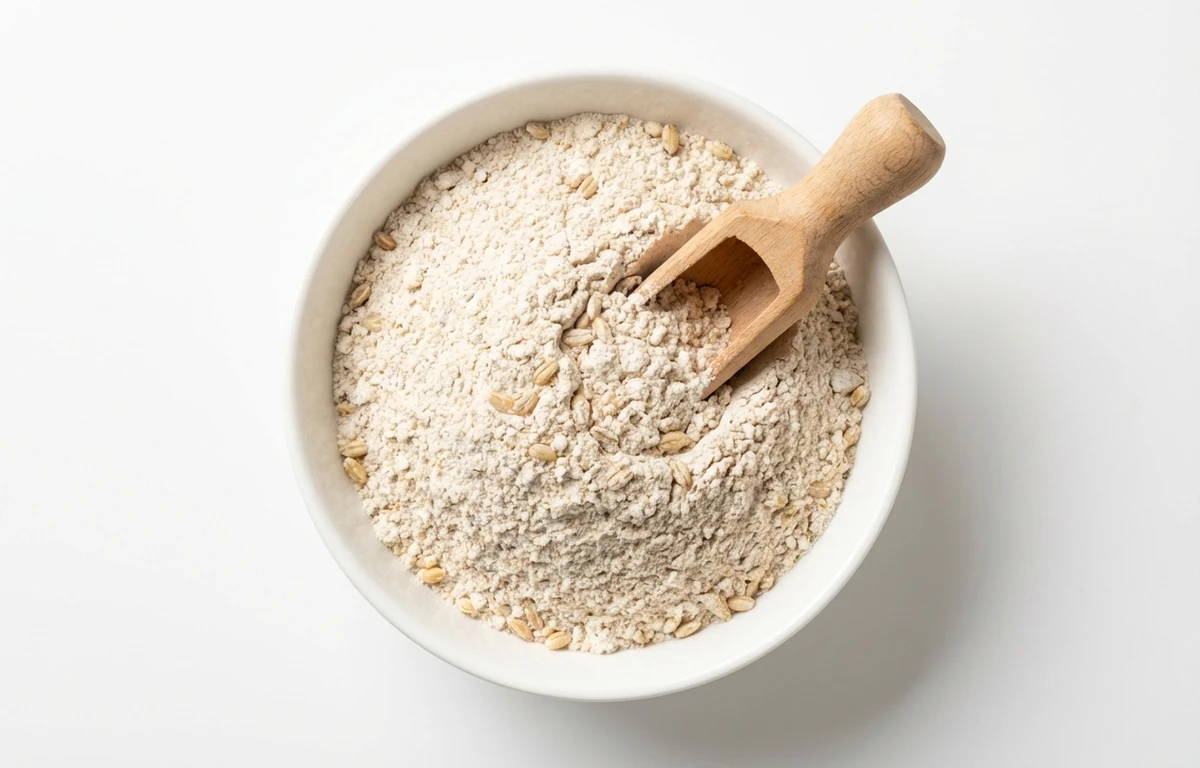
Dry atta is whole wheat flour that includes the bran, germ, and endosperm, making it rich in fiber and nutrients. Maida is refined wheat flour where the bran and germ are removed, resulting in a finer texture but significantly lower nutritional value.
How do you use dry atta in cooking?
Dry atta is most commonly used to make traditional Indian flatbreads like rotis, chapatis, and parathas by kneading it with water. It can also be used as a healthier substitute for refined flour in baking breads, muffins, and crackers.
How should I store dry atta to keep it fresh?
Store dry atta in an airtight container in a cool, dry, and dark place to protect it from moisture and pests. In humid climates, storing it in the refrigerator can help prevent the natural oils in the wheat from becoming rancid.
How long does dry atta last?
When stored properly in an airtight container, dry atta typically lasts for 3 to 6 months at room temperature. If kept in the freezer, it can remain fresh for up to a year. Always check for a musty odor or signs of insects before use.
Can diabetics eat dry atta?
Yes, dry atta is generally a better choice for diabetics than refined flours because its high fiber content results in a lower glycemic index. This causes a slower, more gradual rise in blood sugar levels, though portion sizes should still be monitored.