
Legume
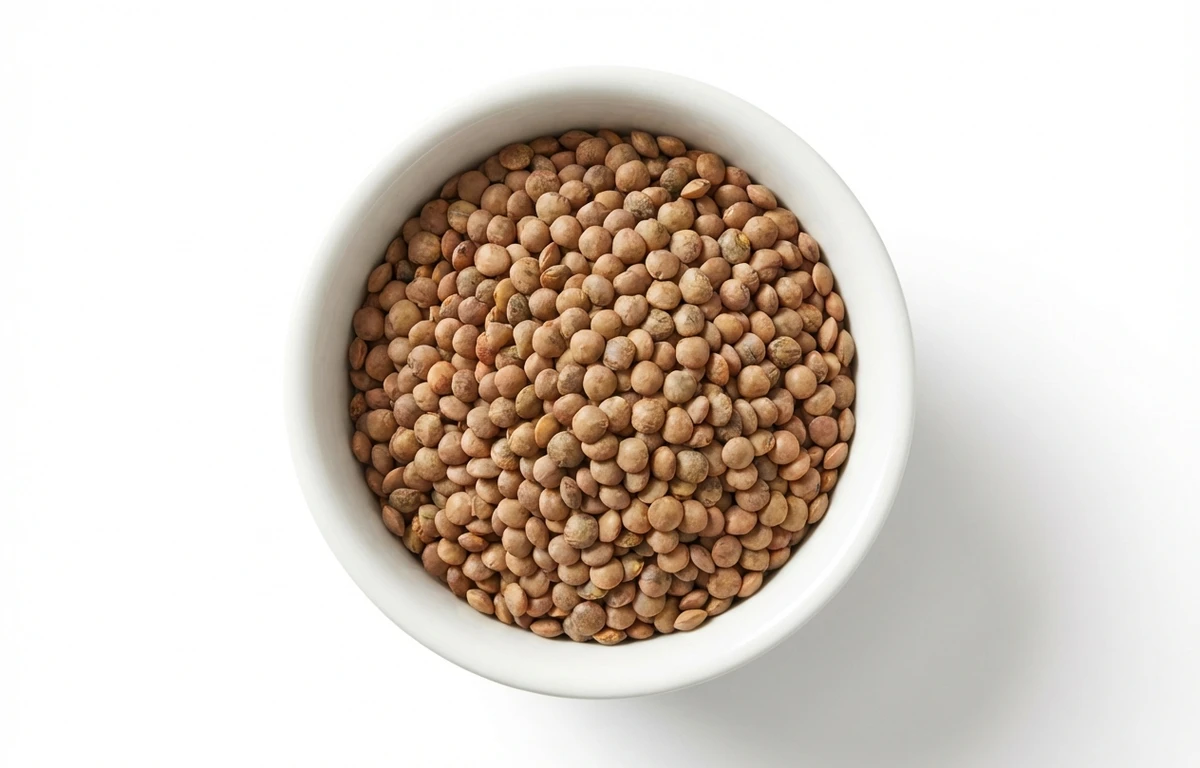
dry lentils.
VegetarianVeganGluten-freeDairy-freeNut-freePeanut-freeSoy-freeEgg-freeShellfish-freeHoney-freeAlcohol-free
ALSO KNOWN AS
lentilsdaal
SERVING
CALORIES
353
PROTEIN
24.6g
CARBS
60.1g
FAT
1.1g
FIBER
10.7g
NUTRITION PROFILE · per 100 g
Everything in this ingredient.
MACRONUTRIENTS
Calories353kcal—
Protein24.6g49%
Carbohydrates60.1g22%
Fiber10.7g38%
Sugar2.0g4%
Total fat1.1g1%
Saturated fat0.16g1%
Trans fat0g—
Cholesterol0mg0%
Water8.3g—
MINERALS
Sodium6.0mg0%
Potassium955mg20%
Calcium35mg3%
Iron7.5mg42%
Magnesium122mg29%
Phosphorus451mg36%
Zinc4.8mg44%
Copper0.50mg56%
Manganese1.3mg57%
Selenium8.3µg15%
VITAMINS
Vitamin A0µg0%
Vitamin C4.4mg5%
Vitamin D0µg0%
Vitamin E0.10mg1%
Vitamin K5.0µg4%
Thiamin (B1)0.87mg73%
Riboflavin (B2)0.21mg16%
Niacin (B3)2.6mg16%
Pantothenic acid (B5)2.1mg42%
Vitamin B60.54mg32%
Folate (B9)479µg120%
Vitamin B120µg0%
%DV based on a 2,000 cal diet. Source: USDA FoodData Central. A dash in the %DV column means there’s no established Daily Value for that nutrient.
MEASUREMENT CONVERSIONS
How much is what.
1 cup192g
1 tablespoon12g
1 teaspoon4g
1 ml0.8g
1 liter800g
HEALTH BENEFITS
Why eat it.
- ✓Excellent source of dietary fiber, which supports digestive health and promotes satiety.
- ✓Rich in plant-based protein, essential for muscle building and repair.
- ✓High in folate, iron, and manganese, which are vital for red blood cell formation and energy metabolism.
- ✓Contains polyphenols that have antioxidant properties, helping to combat oxidative stress.
- ✓May help lower cholesterol and manage blood sugar levels due to their high soluble fiber content.
COOKING TIPS
In the kitchen.
- 1Rinse lentils under cold running water before cooking to remove any dust or debris.
- 2Unlike most other dried legumes, lentils do not require pre-soaking.
- 3For best texture, simmer lentils gently rather than boiling them, which can cause them to split and become mushy.
- 4Add salt and acidic ingredients like lemon juice or vinegar at the end of the cooking process, as adding them too early can make the lentils tough.
STORAGE
Keep it fresh.
- Store dry lentils in an airtight container in a cool, dark, and dry place like a pantry for up to one year.
- Once cooked, store lentils in a sealed container in the refrigerator for 3-5 days.
FAQ
Frequently asked questions.
Are dry lentils healthy?
Yes, dry lentils are highly nutritious. They are an excellent source of dietary fiber, plant-based protein, and essential micronutrients like folate, iron, and manganese. Their high fiber content supports digestive health, promotes satiety, and may help manage blood sugar and cholesterol levels.
How much protein and calories are in dry lentils?
Per 100g of dry lentils, there are approximately 24.6g of protein and 353 calories. This makes them a very protein-dense and energy-rich plant-based food, providing substantial nutritional value for various dietary needs.
Are dry lentils good for weight loss?
Yes, dry lentils can be beneficial for weight loss. Their high fiber and protein content promote satiety, helping you feel full longer and reducing overall calorie intake. They are also low in fat and provide sustained energy, making them an excellent addition to a weight management diet.
Are dry lentils vegan and gluten-free?
Yes, dry lentils are naturally vegan as they are a plant-based legume. They are also naturally gluten-free, making them suitable for individuals with celiac disease or gluten sensitivity. However, always check for cross-contamination if purchasing packaged lentils.
Can diabetics eat dry lentils?
Yes, dry lentils are an excellent food choice for diabetics. Their high soluble fiber content helps to slow down sugar absorption, preventing sharp spikes in blood glucose levels. They also have a low glycemic index, contributing to better blood sugar management.
How do you cook dry lentils?
To cook dry lentils, rinse them thoroughly, then combine one part lentils with two to three parts water or broth in a pot. Bring to a boil, then reduce heat and simmer until tender, typically 20-30 minutes depending on the variety. No pre-soaking is usually required for most types.
Do dry lentils need to be soaked before cooking?
Generally, dry lentils do not require soaking before cooking, unlike many other legumes. A thorough rinse is usually sufficient to remove any dust or debris. Soaking can sometimes reduce cooking time slightly, but it's not essential for texture or digestibility.
How do you store dry lentils?
Dry lentils should be stored in an airtight container in a cool, dark, and dry place, such as a pantry or cupboard. This protects them from moisture, pests, and light, which can degrade their quality and extend their shelf life.
How long do dry lentils last?
When stored properly in an airtight container in a cool, dry place, dry lentils can last for up to 2-3 years. While they don't truly 'spoil' in the same way fresh food does, their quality and cooking time may degrade over time.
What do dry lentils taste like and what are they used for?
Dry lentils have an earthy, mild, and slightly nutty flavor, which varies slightly by type (e.g., red, green, brown). They are incredibly versatile and used in soups, stews, curries, salads, veggie burgers, and as a nutritious side dish or meat substitute.



















