
Condiment10 recipes
dry mustard powder.
VegetarianVeganGluten-freeDairy-freeNut-freePeanut-freeSoy-freeEgg-freeShellfish-freeHoney-freeAlcohol-free
ALSO KNOWN AS
sarson ka powderyellow mustard powderground mustardmustard floursarson powderrai powderpowdered mustardmustard powderdry mustardground mustard seeds
SERVING
CALORIES
508
PROTEIN
26.1g
CARBS
28.1g
FAT
36.2g
FIBER
12.2g
NUTRITION PROFILE · per 100 g
Everything in this ingredient.
MACRONUTRIENTS
Calories508kcal—
Protein26.1g52%
Carbohydrates28.1g10%
Fiber12.2g44%
Sugar6.8g14%
Total fat36.2g46%
Saturated fat2.0g10%
Trans fat0g—
Cholesterol0mg0%
Water5.3g—
MINERALS
Sodium13mg1%
Potassium738mg16%
Calcium491mg38%
Iron9.2mg51%
Magnesium370mg88%
Phosphorus828mg66%
Zinc6.1mg55%
Copper0.60mg67%
Manganese2.4mg104%
Selenium208µg378%
VITAMINS
Vitamin A3.0µg0%
Vitamin C7.1mg8%
Vitamin D0µg0%
Vitamin E5.1mg34%
Vitamin K5.4µg5%
Thiamin (B1)0.80mg67%
Riboflavin (B2)0.40mg31%
Niacin (B3)8.0mg50%
Pantothenic acid (B5)0.80mg16%
Vitamin B60.60mg35%
Folate (B9)162µg41%
Vitamin B120µg0%
%DV based on a 2,000 cal diet. Source: USDA FoodData Central. A dash in the %DV column means there’s no established Daily Value for that nutrient.
MEASUREMENT CONVERSIONS
How much is what.
1 cup112g
1 tablespoon6g
1 teaspoon2g
1 oz28.4g
1 lb453.6g
1 ml0.5g
1 liter470g
HEALTH BENEFITS
Why eat it.
- ✓Rich in selenium and magnesium which provide anti-inflammatory benefits
- ✓Contains glucosinolates which may help inhibit the growth of cancer cells
- ✓Source of omega-3 fatty acids for heart health
- ✓Aids digestion by stimulating the production of gastric juices
- ✓Contains antioxidants like lutein and zeaxanthin for eye health
COOKING TIPS
In the kitchen.
- 1Mix with cold water and let sit for 10 minutes to activate the pungent enzymes
- 2Add to cheese sauces or mac and cheese to enhance the savory flavor profile
- 3Use as a dry rub for meats or as an emulsifier in vinaigrettes
STORAGE
Keep it fresh.
- Store in an airtight container in a cool, dark, and dry place
- Keep away from direct sunlight and heat sources to maintain potency
- Ensure the lid is tightly sealed after every use to prevent moisture clumping
FAQ
Frequently asked questions.
How long does dry mustard powder last?
When stored in a cool, dark place in an airtight container, it typically maintains its best quality for 1 to 2 years.
How do I know if my mustard powder has gone bad?
It doesn't usually spoil in a way that makes you sick, but it loses its aroma and sharp flavor. If it smells faint or dusty, it's time to replace it.
What is the best substitute for dry mustard powder?
You can use 1 tablespoon of prepared yellow mustard for every 1 teaspoon of dry mustard powder, but reduce other liquids in the recipe slightly.
Why does dry mustard powder have no heat when dry?
The pungent heat is created by an enzymatic reaction that only occurs when the powder is mixed with a liquid, particularly cold water.
Can I use mustard seeds instead of powder?
Yes, you can grind whole mustard seeds in a spice grinder or mortar and pestle to create your own fresh powder.
Is dry mustard powder gluten-free?
Pure mustard powder is naturally gluten-free, but always check the label for cross-contamination or added anti-caking agents that might contain gluten.
How should I pick a high-quality mustard powder?
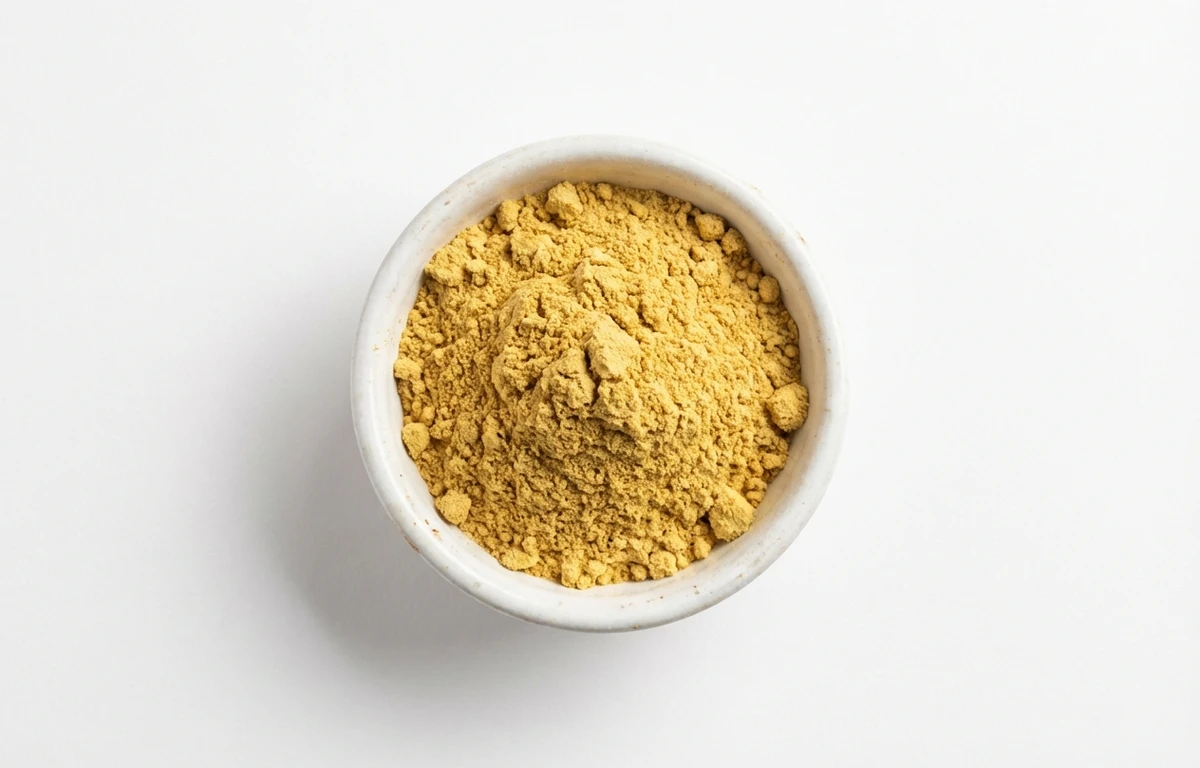
Look for a fine, uniform texture and a bright, pale yellow color. Avoid any that look clumped or have a dull, brownish tint.
Can I freeze dry mustard powder?
While possible, it is not recommended as the moisture in the freezer can degrade the quality. A cool pantry is the ideal environment.
What are common dishes that use dry mustard?
It is frequently used in deviled eggs, potato salad, barbecue rubs, homemade mayonnaise, and savory cheese dishes.
Does dry mustard powder contain any allergens?
Mustard is considered a major allergen in many regions (like the EU and Canada). People with mustard allergies should avoid it entirely.
RECIPES
Cook with dry mustard powder.
10 recipes · sorted by what’s quick



















