
Loading...
Also known as:
Per 100g
Nutrition data source: USDA FoodData Central
Common measurement equivalents in grams
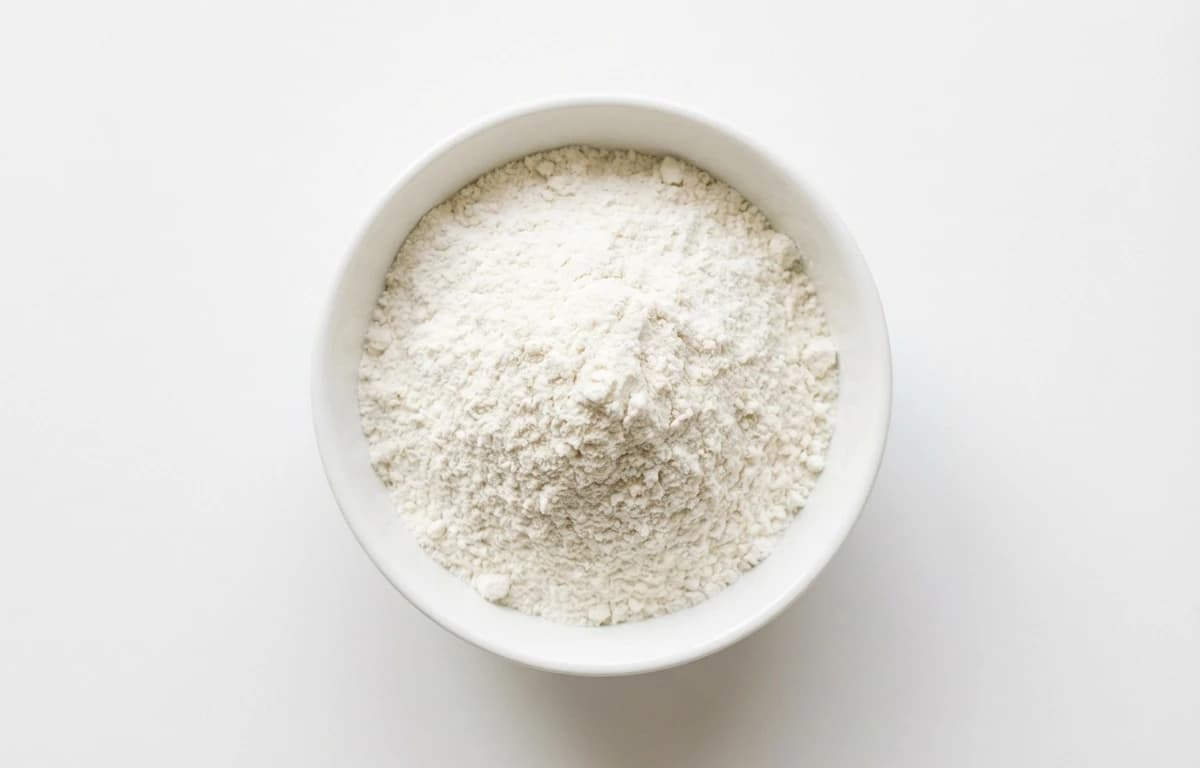
Rice flour is a healthy, energy-dense ingredient that is naturally gluten-free and very easy to digest. While it provides a good source of carbohydrates for energy, it is lower in fiber and protein compared to whole-grain flours like brown rice flour or almond flour.
Yes, rice flour is naturally 100% gluten-free. This makes it a safe and popular alternative for individuals with celiac disease, gluten intolerance, or those following a gluten-free diet.
Dry rice flour is high in energy, containing approximately 366 calories and 80.1g of carbohydrates per 100g. It also contains about 6g of protein and a very low fat content of 1.4g.
No, rice flour is not keto-friendly. With over 80g of carbohydrates per 100g, it is too high in carbs for a ketogenic diet, which typically requires keeping daily net carb intake very low.
Rice flour has a very neutral, mild, and slightly sweet flavor. This makes it an excellent base for both sweet and savory dishes, as it easily absorbs the flavors of other ingredients in a recipe.
You can substitute it, but usually not at a 1:1 ratio for baking because rice flour lacks gluten, which provides structure and elasticity. For best results, it is often mixed with other starches or a binding agent like xanthan gum.
Rice flour is excellent for making rice noodles, gluten-free bread, and pancakes. It is also a superior thickening agent for soups and sauces and creates an exceptionally crispy coating for fried foods like tempura.
Dry Rice Flour is a versatile ingredient found in cuisines around the world. With 366 calories per 100g and 6 grams of protein, it's a nutritious addition to many dishes.
Explore more ingredients in the grain category with complete nutrition information.
View all grain →Discover 1 recipes featuring dry rice flour with step-by-step instructions.
Browse recipes →Explore more ingredients similar to Dry Rice Flour.
The most-searched ingredients on CraftMyMeals.
Rice flour should be consumed in moderation during weight loss because it is calorie-dense and high in refined carbohydrates. Since it is low in fiber, it may not provide the same level of satiety as whole-grain or high-fiber alternatives.
Store rice flour in an airtight container in a cool, dry, and dark place to prevent it from absorbing moisture or odors. When stored properly, it typically lasts for 6 to 12 months; refrigeration can extend this shelf life.
Yes, rice flour is known for being very gentle on the digestive system. It is often recommended for individuals with sensitive stomachs or those recovering from digestive upset because it is low in fat and easy for the body to process.