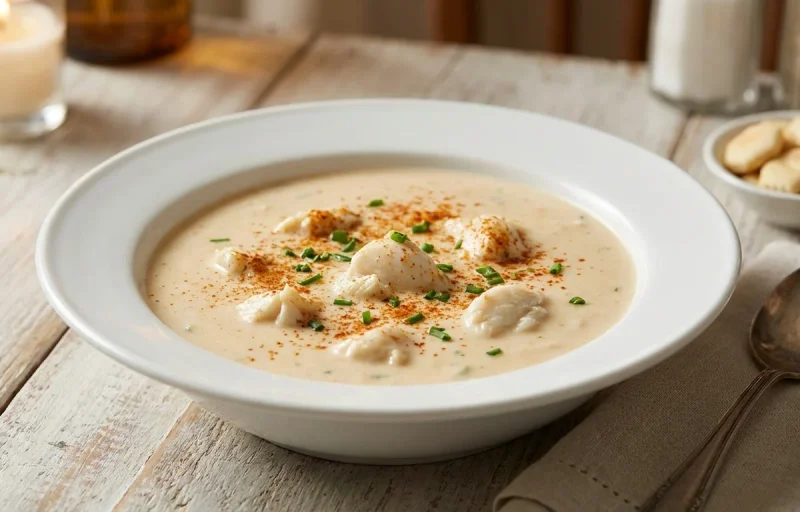
Other5 recipes
dry sherry.
VegetarianVeganGluten-freeDairy-freeNut-freePeanut-freeSoy-freeEgg-freeShellfish-freeHoney-freeAlcohol-freeHalalFermented
ALSO KNOWN AS
sherry
SERVING
CALORIES
134
PROTEIN
0.10g
CARBS
4.1g
FAT
0g
FIBER
0g
This ingredient is flagged as naturally gluten-free. Per 100 g, it provides 0 µg of vitamin K.
NUTRITION PROFILE · per 100 g
Everything in this ingredient.
MACRONUTRIENTS
Calories134kcal—
Protein0.10g0%
Carbohydrates4.1g1%
Fiber0g0%
Sugar0.10g0%
Total fat0g0%
Saturated fat0g0%
Cholesterol0mg0%
Water80.2g—
MINERALS
Sodium10mg0%
Potassium10mg0%
Calcium10mg1%
Iron0.10mg1%
Magnesium10mg2%
Phosphorus20mg2%
Zinc0.05mg0%
Copper0.02mg2%
Manganese0.02mg1%
Selenium0.10µg0%
VITAMINS
Vitamin A0µg0%
Vitamin C0mg0%
Vitamin D0µg0%
Vitamin E0mg0%
Vitamin K0µg0%
Thiamin (B1)0.01mg1%
Riboflavin (B2)0.01mg1%
Niacin (B3)0.07mg0%
Pantothenic acid (B5)0.02mg0%
Vitamin B60.01mg1%
Folate (B9)1.0µg0%
Vitamin B120µg0%
%DV based on a 2,000 cal diet. Source: USDA FoodData Central. A dash in the %DV column means there’s no established Daily Value for that nutrient.
MEASUREMENT CONVERSIONS
How much is what.
1 cup233.7g
1 tablespoon14.6g
1 teaspoon4.9g
1 ml1g
1 liter973.9g
HEALTH BENEFITS
Why eat it.
- ✓When used in cooking, it can enhance flavor, potentially reducing the need for added salt or fat.
- ✓Consumed in moderation as an aperitif, it can help stimulate appetite before a meal.
COOKING TIPS
In the kitchen.
- 1Use dry sherry to deglaze a pan after sautéing meats or vegetables to create a rich, flavorful pan sauce.
- 2Add a splash to soups and stews, particularly mushroom or onion-based ones, to add a layer of nutty complexity and depth.
- 3When adding to a dish, allow it to simmer for at least a few minutes to cook off the raw alcohol flavor, concentrating its intended taste.
- 4It serves as an excellent ingredient in marinades for chicken or pork, helping to tenderize the meat and impart a savory flavor.
STORAGE
Keep it fresh.
- Before opening, store the bottle upright in a cool, dark place, away from heat and direct sunlight.
- After opening, seal the bottle tightly and store it in the refrigerator. Lighter sherries like Fino should be used within a week, while darker, oxidized sherries like Oloroso can last for several weeks.
FAQ
Frequently asked questions.
How many calories and carbohydrates are in dry sherry?
Per 100g, dry sherry contains approximately 134 calories and 4.1g of carbohydrates. It has negligible protein (0.1g) and no fat. The calorie content primarily comes from alcohol and residual sugars.
Is dry sherry vegan?
Traditional sherry production often involves fining agents like gelatin, casein, or egg whites, which are animal-derived, making many sherries not vegan. However, some producers use vegan-friendly fining methods or no fining at all, so it's best to check the label or contact the manufacturer for specific brands.
What does dry sherry taste like and how is it used in cooking?
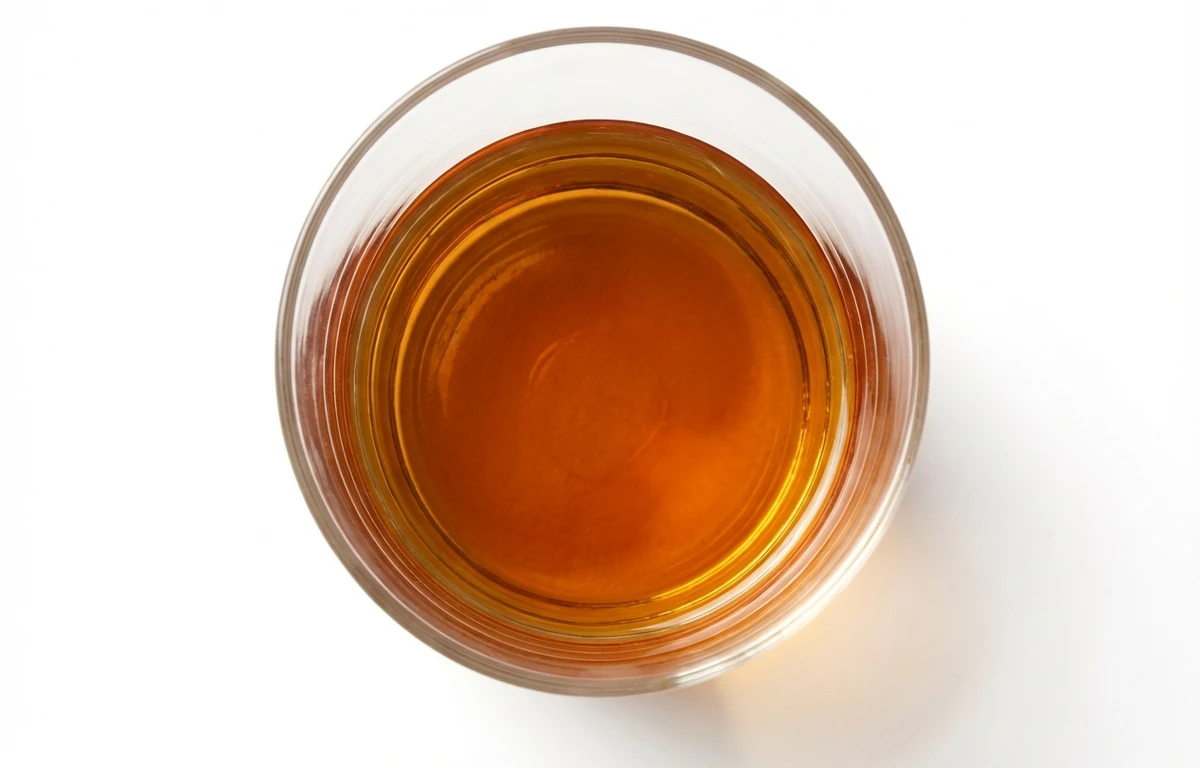
Dry sherry has a complex, nutty, and sometimes saline flavor profile with notes of almond and dried fruit. In cooking, it's a versatile ingredient used to deglaze pans, enhance sauces, marinades, and soups, and add depth to dishes like consommé, mushroom dishes, and certain stews. It's particularly popular in Spanish and French cuisine.
What's a good substitute for dry sherry in recipes?
For a non-alcoholic substitute, chicken or vegetable broth with a splash of red wine vinegar can mimic some of the savory and acidic notes. For an alcoholic alternative, dry white wine or vermouth can be used, though the flavor profile will differ slightly. Avoid 'cooking sherry' as it often contains added salt and preservatives.
How should dry sherry be stored?
Unopened bottles of dry sherry should be stored upright in a cool, dark place away from direct sunlight and temperature fluctuations. Once opened, dry sherry should be tightly re-sealed and stored in the refrigerator to slow down oxidation and preserve its flavor.
How long does dry sherry last once opened?
Once opened, dry sherry will gradually lose its freshness and flavor due to oxidation. When refrigerated and tightly sealed, it typically remains good for about 2-4 weeks. While it won't spoil in a harmful way, its nuanced flavors will diminish over time.
RECIPES
Cook with dry sherry.
5 recipes · sorted by what’s quick