
Loading...
Also known as:
Per 100g
Nutrition data source: USDA FoodData Central
Common measurement equivalents in grams
Yes, whole wheat flour is highly nutritious as it contains the entire grain kernel, including the bran and germ. It provides 13.7g of protein per 100g and is rich in dietary fiber, B vitamins, and minerals like magnesium and iron, which support digestive and heart health.
A 100g serving of dry whole wheat flour contains approximately 13.7g of protein and is high in dietary fiber. This combination helps with muscle maintenance and promotes a feeling of fullness, aiding in weight management.
No, whole wheat flour is not gluten-free. It contains gluten, the protein responsible for the elasticity and structure in baked goods, and should be avoided by those with celiac disease or gluten sensitivity.
No, whole wheat flour is not considered keto-friendly. It contains approximately 72.6g of carbohydrates per 100g, which is too high for a standard ketogenic diet that typically limits daily carb intake to under 50g.
Yes, but with adjustments. You can generally replace up to 50% of all-purpose flour with whole wheat without significant changes; however, for 100% substitution, you may need to add 1-2 teaspoons of extra liquid per cup as whole wheat absorbs more moisture.
Whole wheat flour has a distinct nutty, earthy flavor and a denser texture compared to white flour. It adds a hearty profile to breads, muffins, and pancakes that many find more flavorful than refined alternatives.
Because whole wheat flour contains the natural oils from the wheat germ, it can go rancid quickly. Store it in an airtight container in a cool, dark pantry for short-term use, or in the refrigerator or freezer to extend its shelf life.
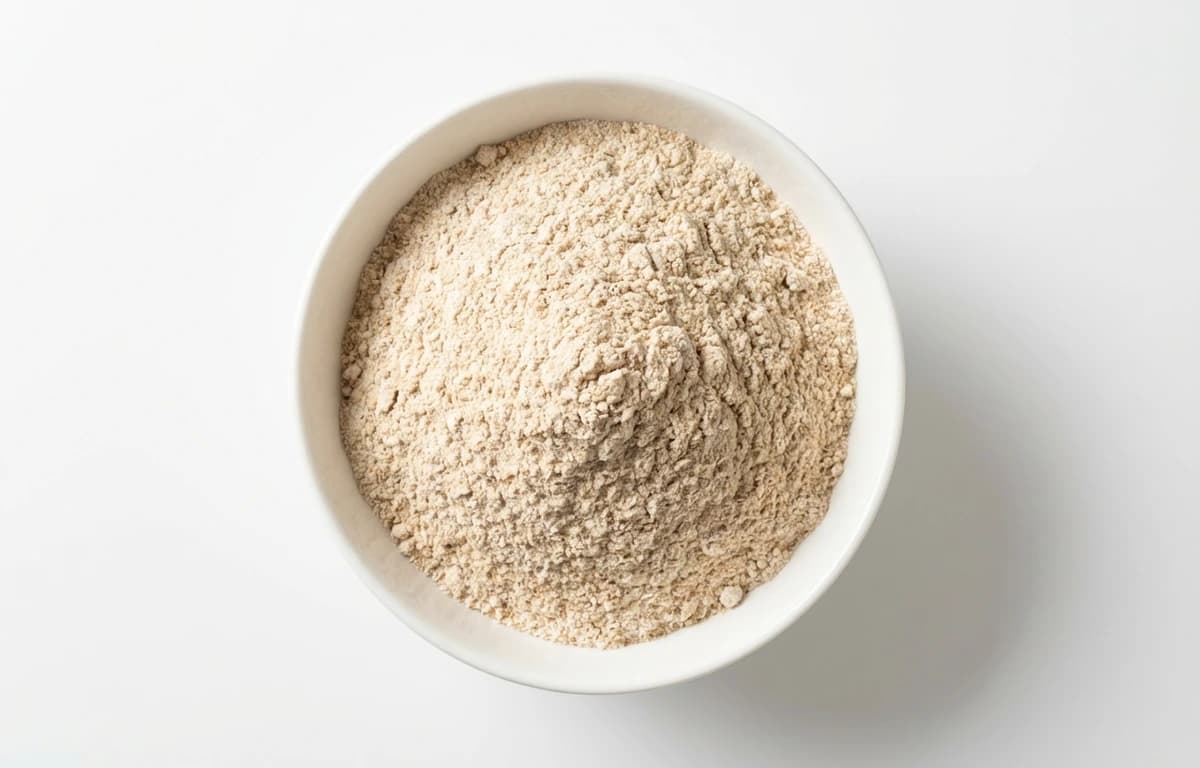
Dry Whole Wheat Flour is a versatile ingredient found in cuisines around the world. With 340 calories per 100g and 13.7 grams of protein, it's a nutritious addition to many dishes.
Explore more ingredients in the grain category with complete nutrition information.
View all grain →Discover 1 recipes featuring dry whole wheat flour with step-by-step instructions.
Browse recipes →Explore more ingredients similar to Dry Whole Wheat Flour.
The most-searched ingredients on CraftMyMeals.
In a cool, dry pantry, whole wheat flour typically lasts 1 to 3 months. If stored in the refrigerator, it can last up to 6 months, and it can remain fresh for up to a year if kept in the freezer.
Whole wheat flour is a better choice for diabetics than white flour because its high fiber content results in a lower glycemic index. This leads to a slower, more sustained release of energy and helps prevent sharp spikes in blood sugar levels.
Fresh whole wheat flour should have a mild, grain-like aroma. If it smells sour, musty, or like play-dough, the natural oils have likely oxidized and gone rancid, meaning the flour should be discarded.