meat1 recipes
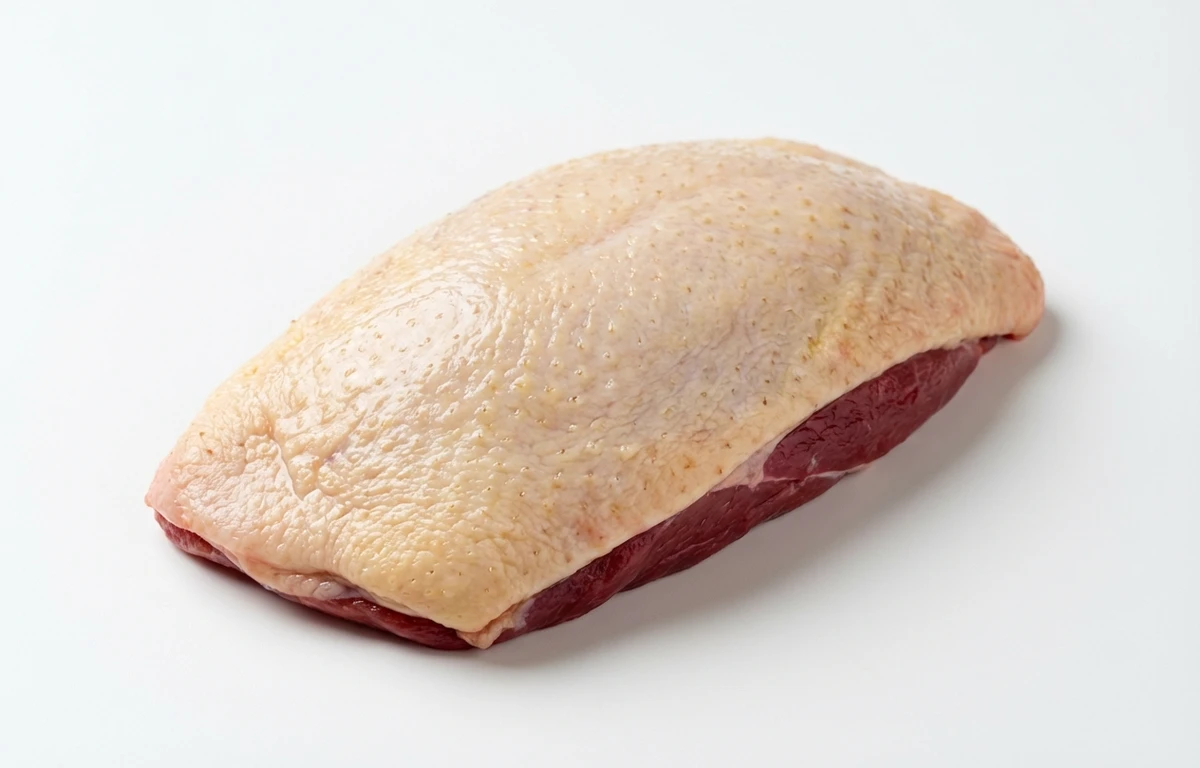
Duck Breast.
VegetarianVeganGluten-freeDairy-freeNut-freePeanut-freeSoy-freeEgg-freeShellfish-freeHoney-freeAlcohol-free
ALSO KNOWN AS
raw duck breastmagret de canardboneless duck breastduck fillet
SERVING
CALORIES
211
PROTEIN
18.3g
CARBS
0g
FAT
15.2g
FIBER
0g
NUTRITION PROFILE · per 100 g
Everything in this ingredient.
MACRONUTRIENTS
Calories211kcal—
Protein18.3g37%
Carbohydrates0g0%
Fiber0g0%
Sugar0g0%
Total fat15.2g19%
Saturated fat4.8g24%
Trans fat0g—
Cholesterol77mg26%
Water65.8g—
MINERALS
Sodium65mg3%
Potassium271mg6%
Calcium11mg1%
Iron2.4mg13%
Magnesium19mg5%
Phosphorus156mg12%
Zinc1.9mg17%
Copper0.20mg22%
Manganese0.02mg1%
Selenium13.9µg25%
VITAMINS
Vitamin A12µg1%
Vitamin C0mg0%
Vitamin D0.10µg1%
Vitamin E0.70mg5%
Vitamin K1.1µg1%
Thiamin (B1)0.17mg14%
Riboflavin (B2)0.28mg22%
Niacin (B3)5.1mg32%
Pantothenic acid (B5)1.1mg22%
Vitamin B60.50mg29%
Folate (B9)4.0µg1%
Vitamin B120.40µg17%
%DV based on a 2,000 cal diet. Source: USDA FoodData Central. A dash in the %DV column means there’s no established Daily Value for that nutrient.
MEASUREMENT CONVERSIONS
How much is what.
1 oz28.4g
1 lb453.6g
1 piece166g
HEALTH BENEFITS
Why eat it.
- ✓Excellent source of high-quality protein for muscle repair
- ✓Rich in heme iron which is easily absorbed by the body
- ✓Contains selenium which supports thyroid function and immunity
- ✓Good source of B vitamins for energy metabolism
- ✓Provides healthy monounsaturated fats similar to olive oil
COOKING TIPS
In the kitchen.
- 1Score the skin in a diamond pattern without cutting the meat to help fat render
- 2Start cooking in a cold pan skin-side down to slowly melt the fat layer
- 3Best served medium-rare (internal temperature of 135°F/57°C) for optimal texture
STORAGE
Keep it fresh.
- Store in the coldest part of the refrigerator for 1-2 days
- Keep in original packaging or a leak-proof container to avoid cross-contamination
- Freeze for up to 6 months if wrapped tightly in freezer-safe wrap
FAQ
Frequently asked questions.
How long does raw duck breast last in the fridge?
Raw duck breast should be used within 1 to 2 days of purchase for maximum freshness.
Can you eat duck breast medium-rare?
Yes, unlike chicken, duck breast is red meat and is best enjoyed medium-rare to keep it tender and juicy.
What is a good substitute for duck breast?
Chicken thighs or goose breast are the best substitutes due to their higher fat content compared to chicken breast.
How do you get crispy skin on duck breast?
Score the skin, pat it very dry, and start it in a cold, dry pan over medium-low heat to render the fat.
Is duck breast high in cholesterol?
It contains about 77mg per 100g, which is similar to chicken or beef, but the skin adds significant fat.
Should I remove the skin before cooking?
It is usually kept on during cooking to provide flavor and moisture, though you can remove it after cooking to reduce fat intake.
How do I know if duck breast has gone bad?
Look for a slimy texture, a sour or off smell, or any greyish discoloration on the meat.
Is duck breast considered red meat or white meat?
Nutritionally and culinarily, it is considered red meat because it contains more myoglobin than chicken or turkey.
RECIPES
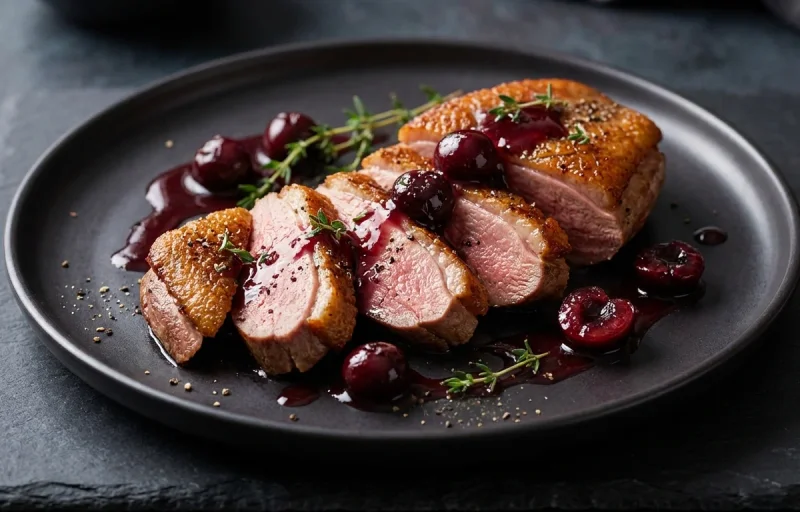
Cook with duck breast.
1 recipes · sorted by what’s quick
SAME CATEGORY
Other meat.
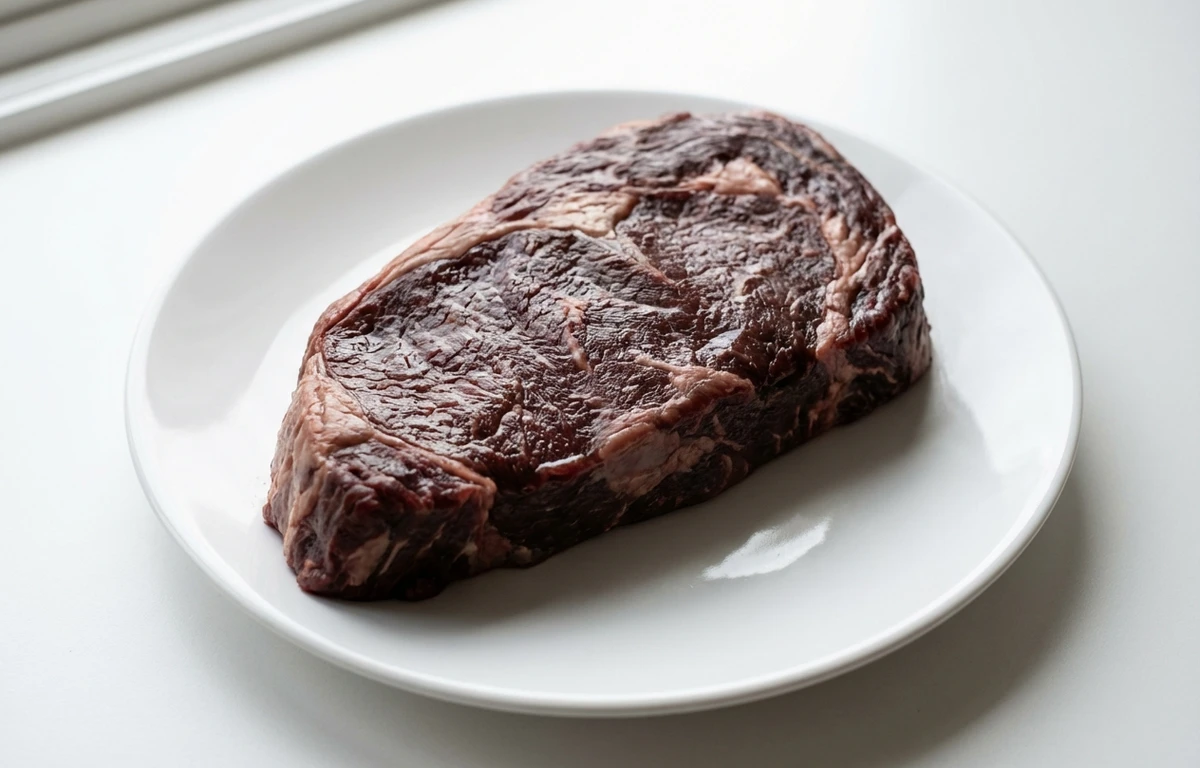
black bear meat
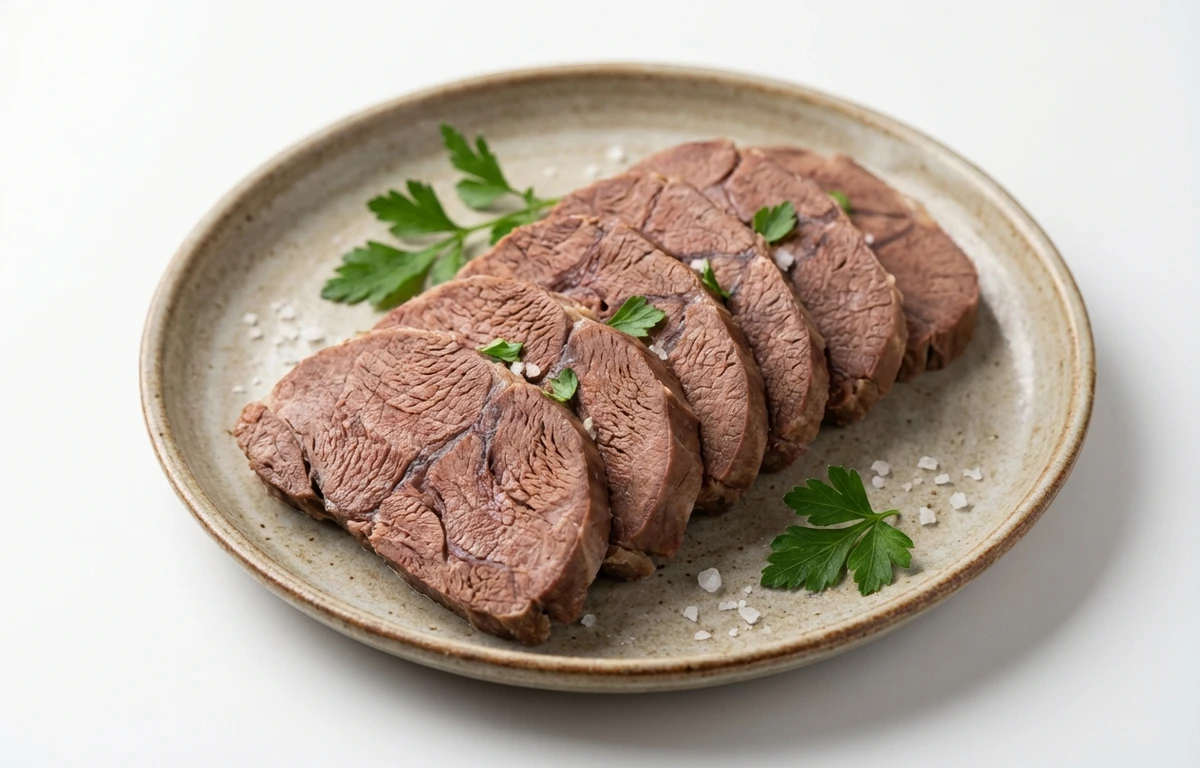
boiled beef heart
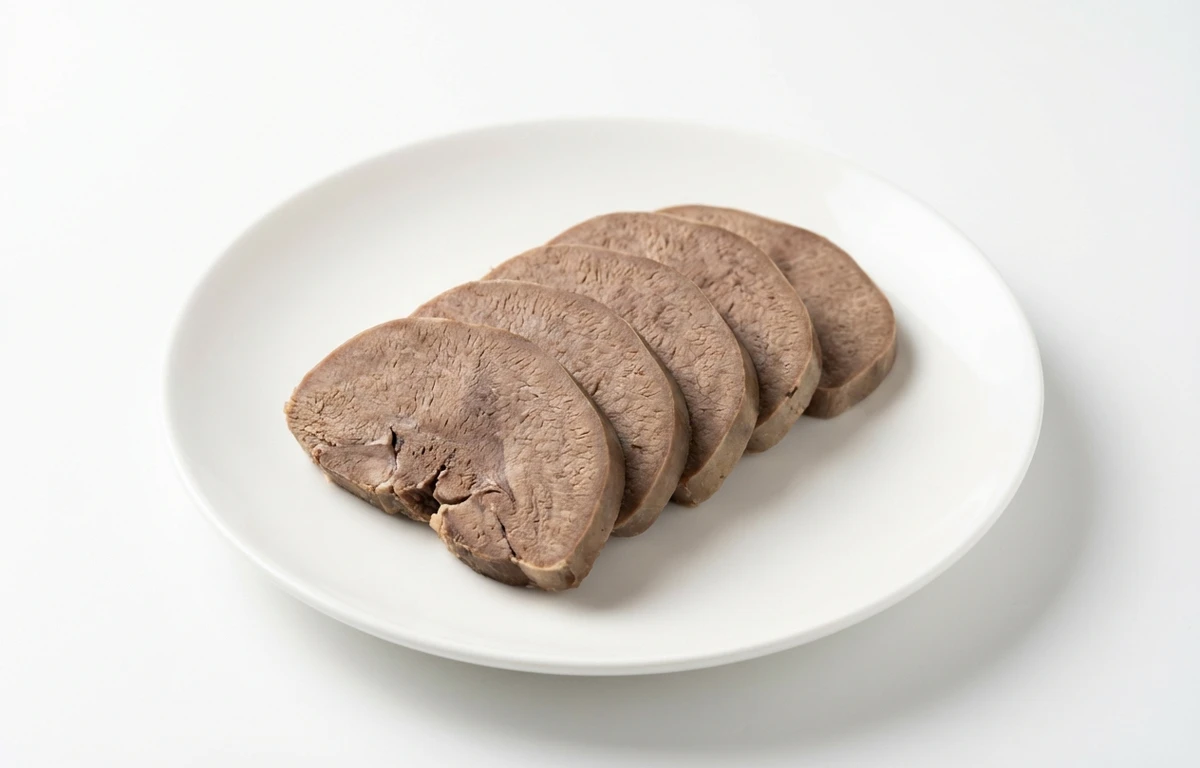
boiled beef kidney
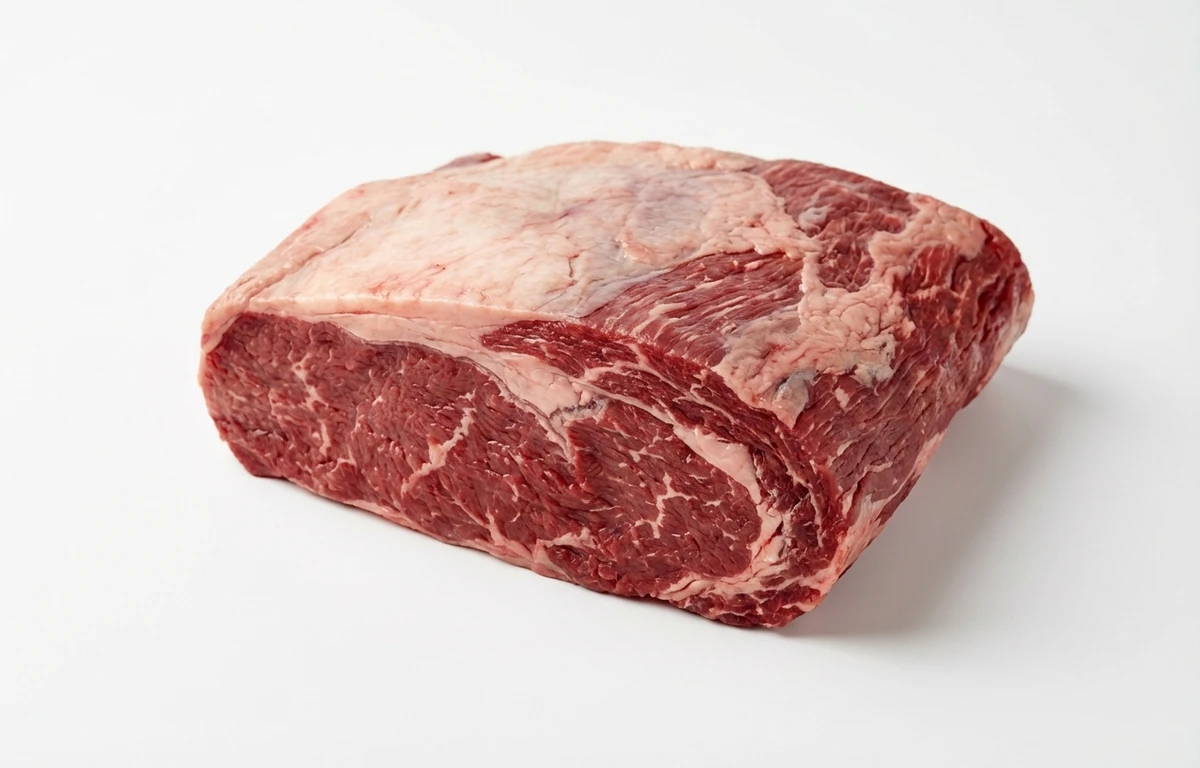
braised beef brisket navel end lean
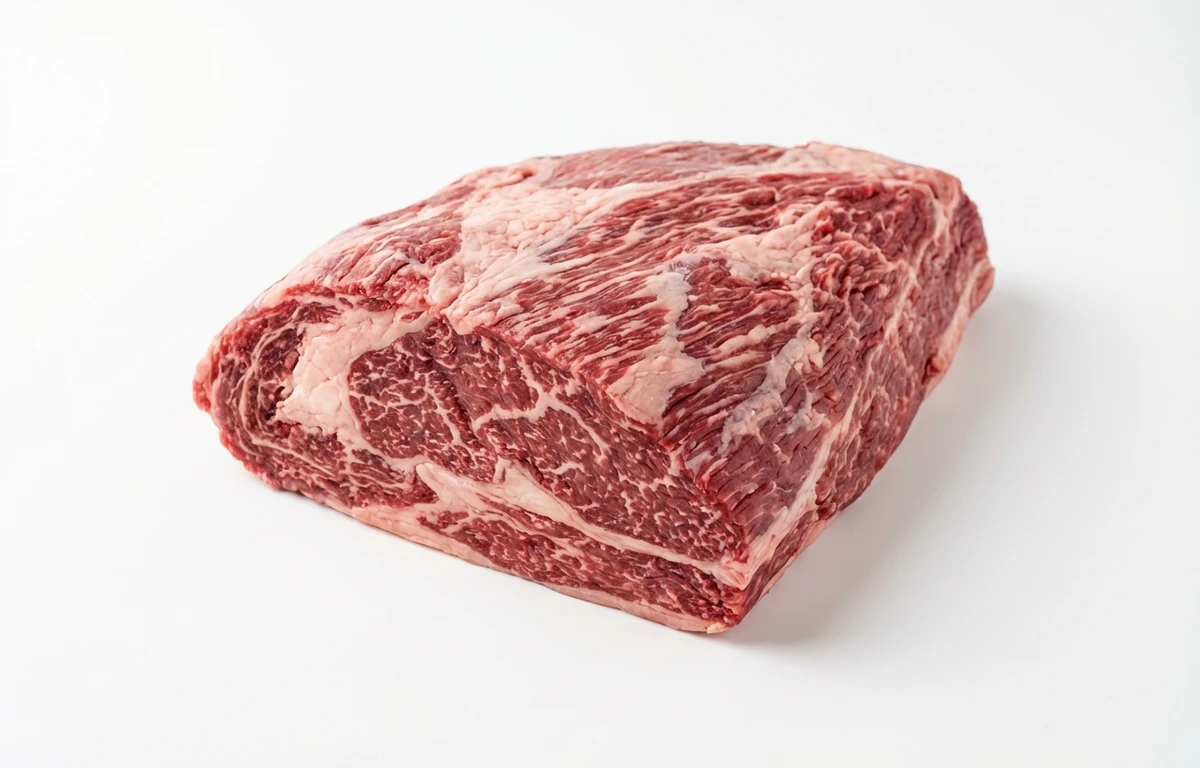
braised beef brisket point end lean
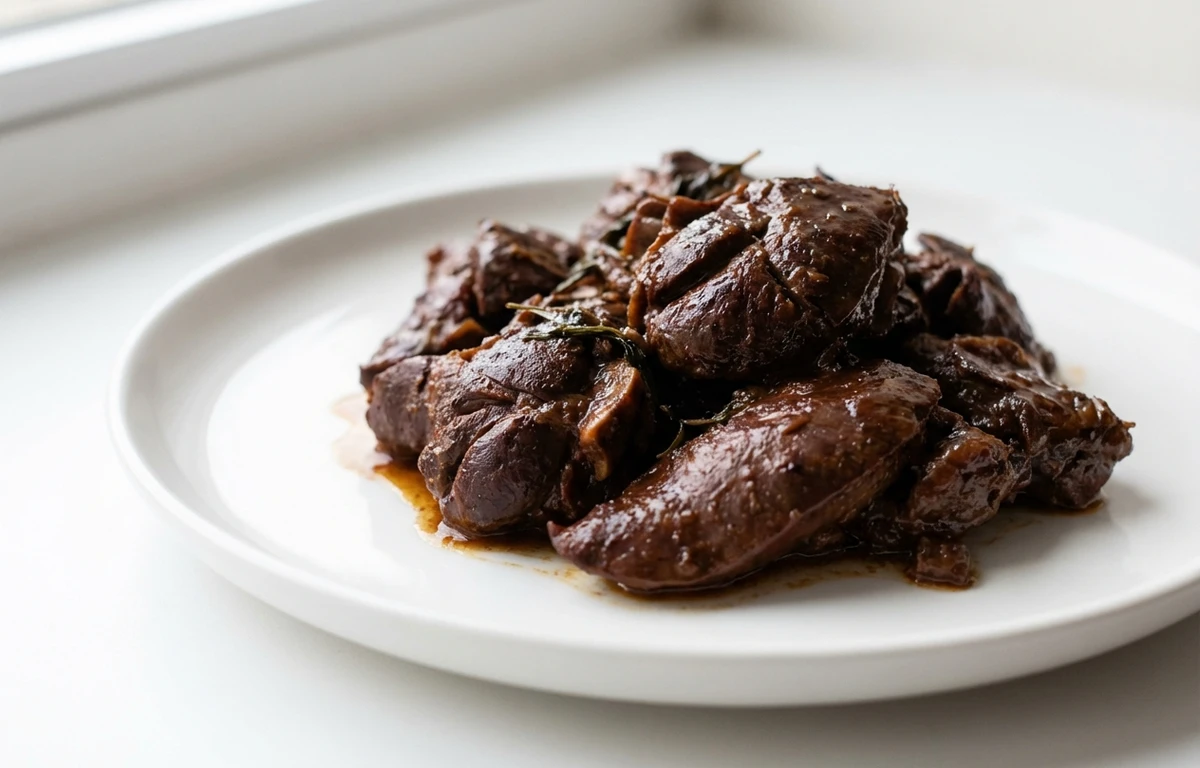
braised cooked lamb lungs
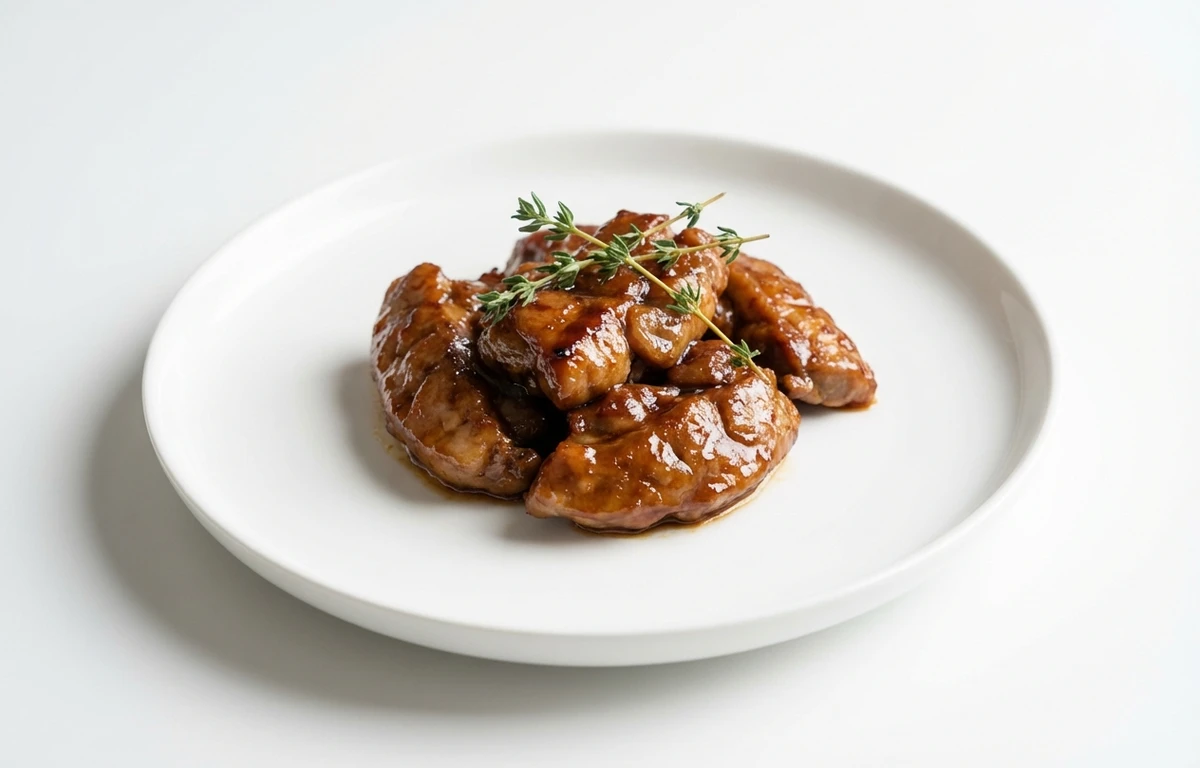
braised cooked lamb pancreas
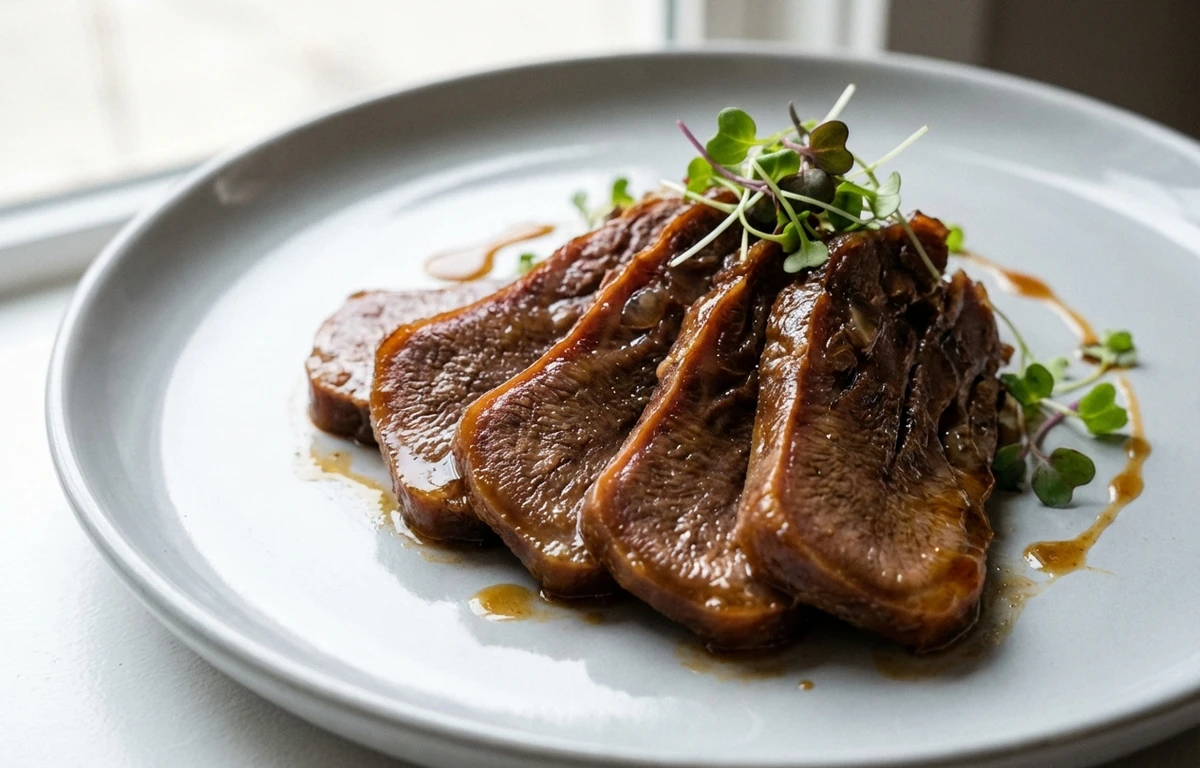
braised cooked lamb tongue
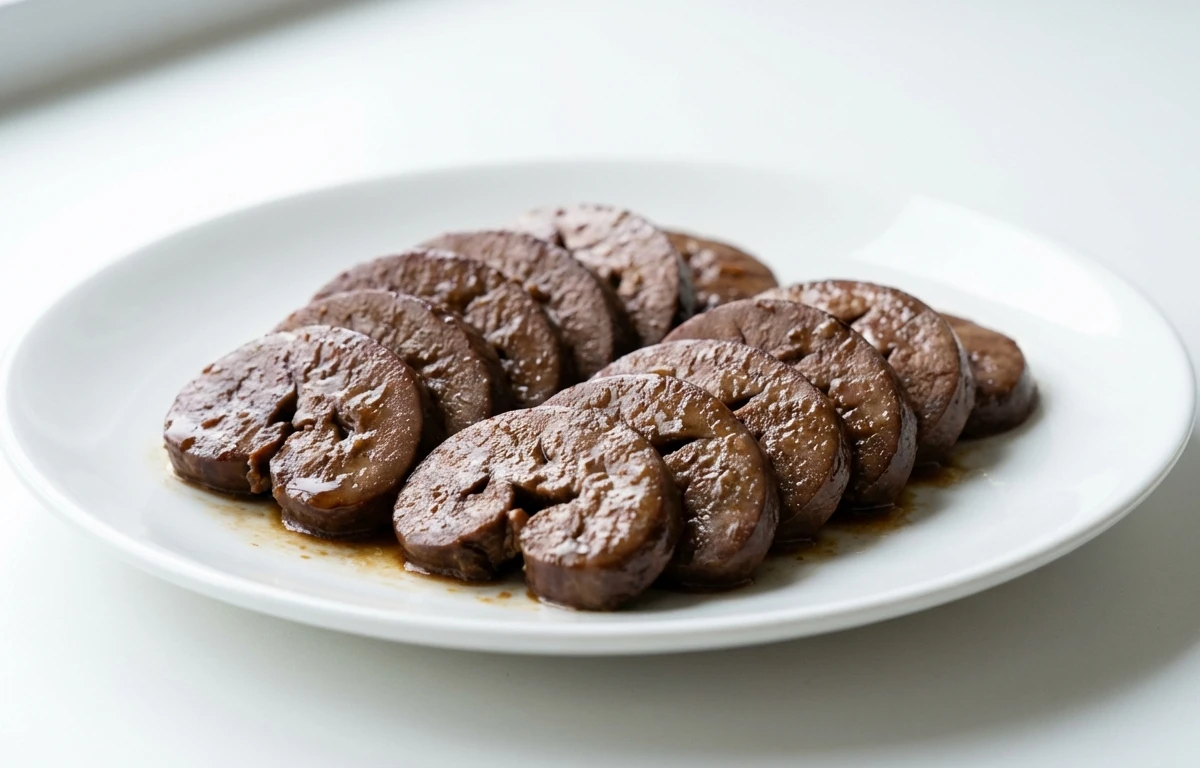
braised cooked pork kidneys
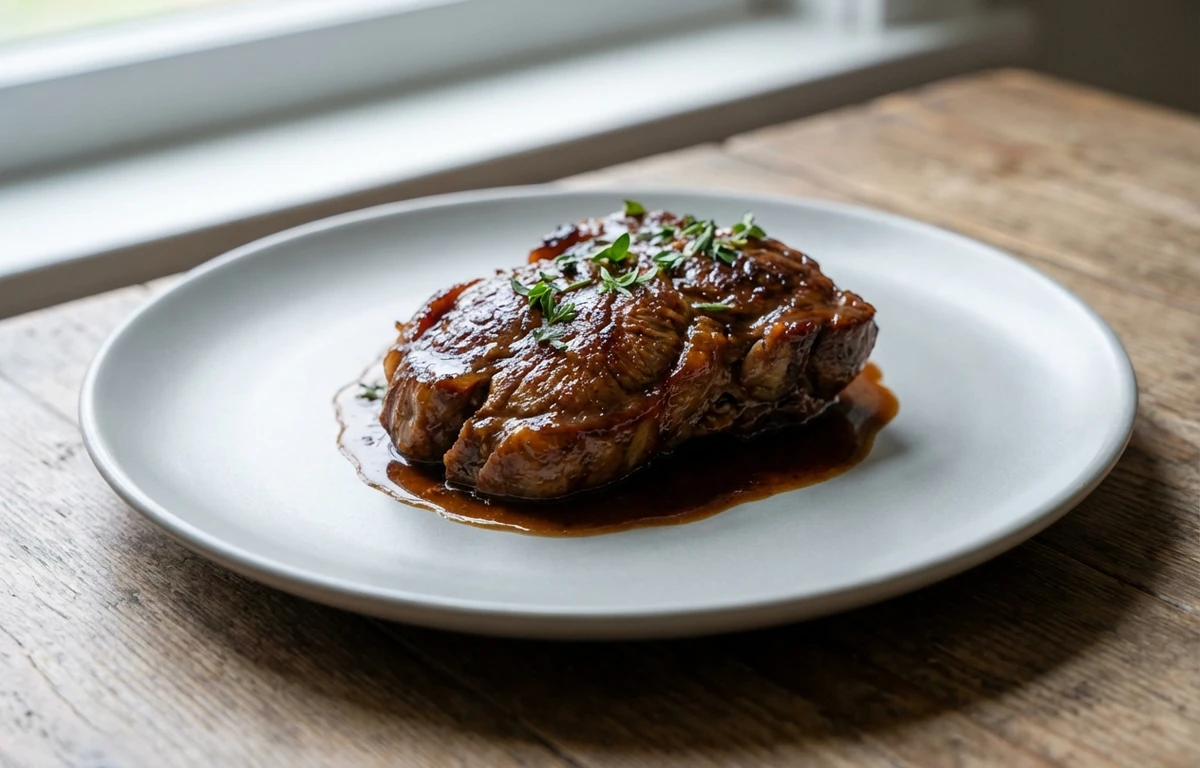
braised cooked veal thymus
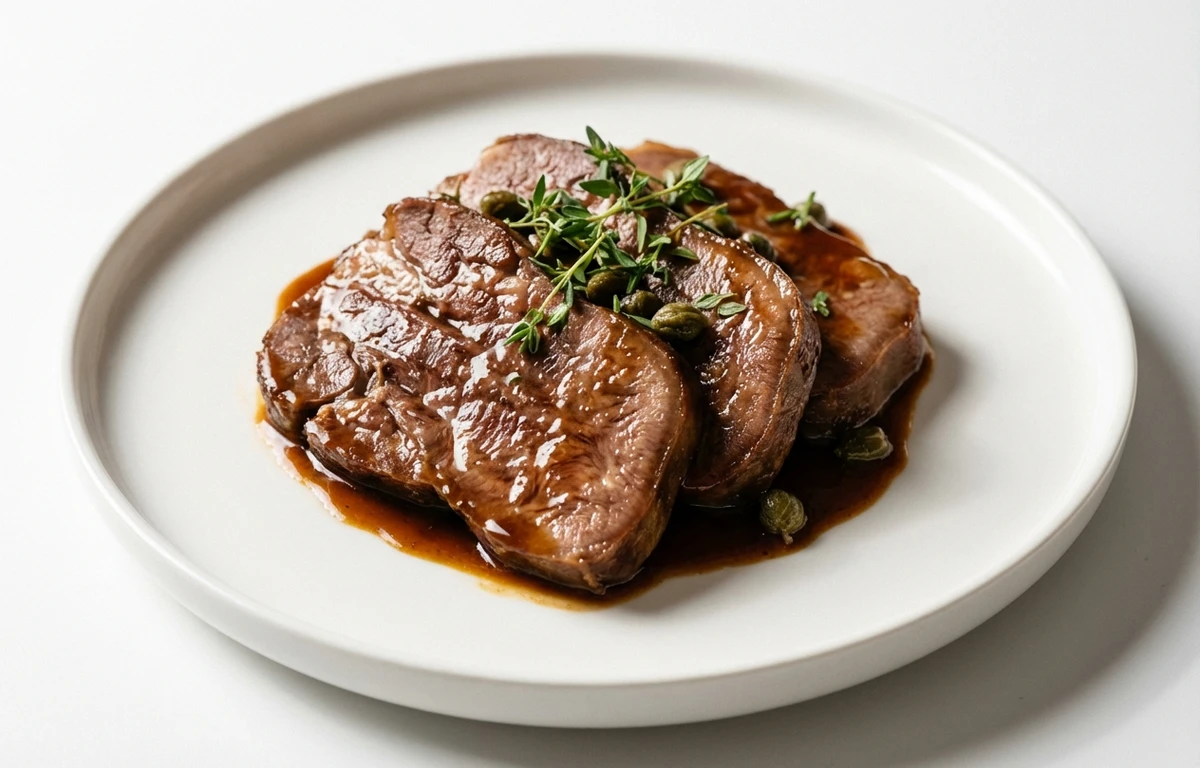
braised cooked veal tongue
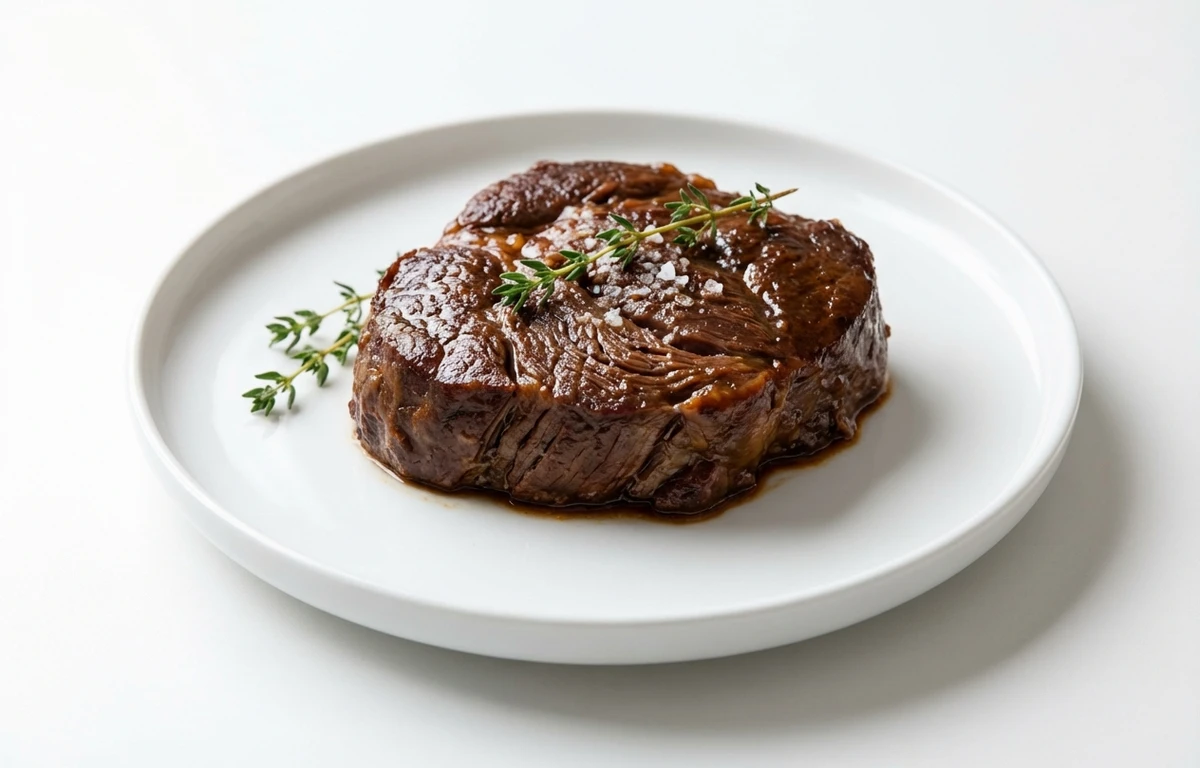
braised select bottom round beef steak