Other1 recipes
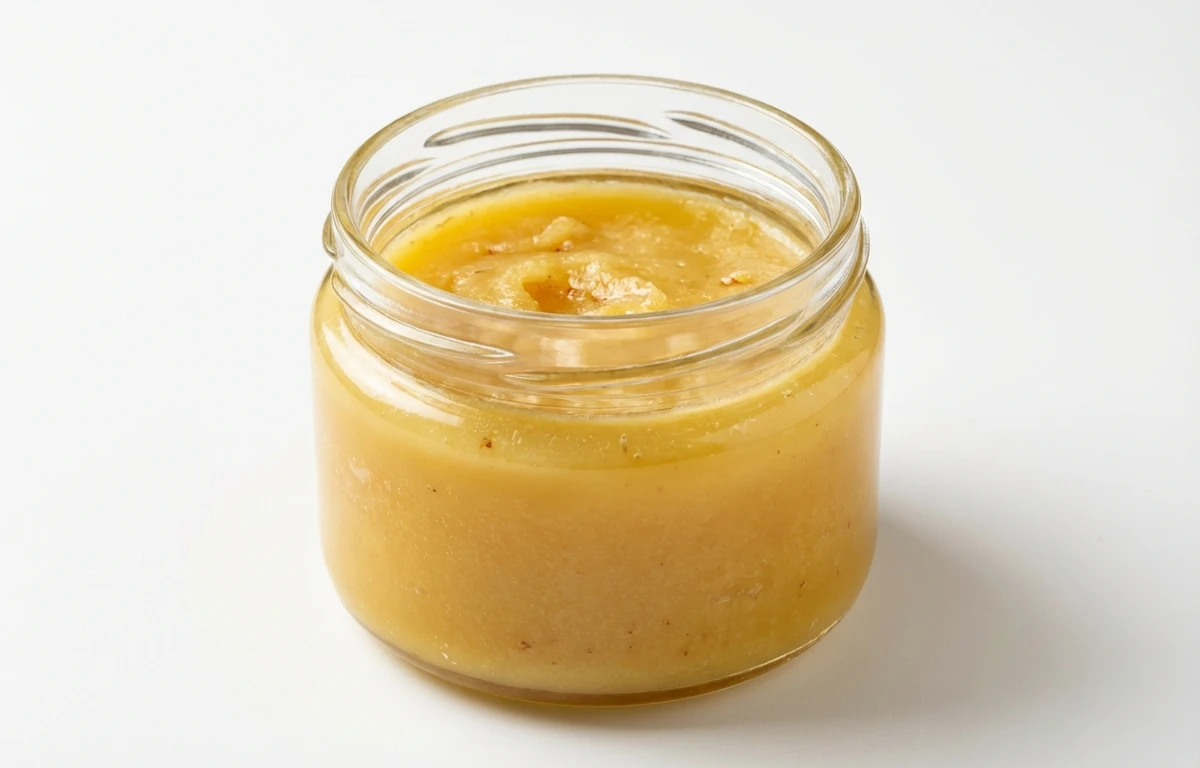
duck fat.
VegetarianVeganGluten-freeDairy-freeNut-freePeanut-freeSoy-freeEgg-freeShellfish-freeHoney-freeAlcohol-free
ALSO KNOWN AS
rendered duck fatduck dripping
SERVING
CALORIES
900
PROTEIN
0g
CARBS
0g
FAT
100g
FIBER
0g
This ingredient is flagged as naturally gluten-free. Per 100 g, it provides 5.5 µg of vitamin K.
NUTRITION PROFILE · per 100 g
Everything in this ingredient.
MACRONUTRIENTS
Calories900kcal—
Protein0g0%
Carbohydrates0g0%
Fiber0g0%
Sugar0g0%
Total fat100g128%
Saturated fat30g150%
Cholesterol76mg25%
Water0g—
MINERALS
Sodium0mg0%
Potassium0mg0%
Calcium0mg0%
Iron0mg0%
Magnesium0mg0%
Phosphorus0mg0%
Zinc0mg0%
Copper0mg0%
Manganese0mg0%
Selenium0µg0%
VITAMINS
Vitamin A0µg0%
Vitamin C0mg0%
Vitamin D0µg0%
Vitamin E0.20mg1%
Vitamin K5.5µg5%
Thiamin (B1)0mg0%
Riboflavin (B2)0mg0%
Niacin (B3)0mg0%
Pantothenic acid (B5)0mg0%
Vitamin B60mg0%
Folate (B9)0µg0%
Vitamin B120µg0%
%DV based on a 2,000 cal diet. Source: USDA FoodData Central. A dash in the %DV column means there’s no established Daily Value for that nutrient.
MEASUREMENT CONVERSIONS
How much is what.
1 cup216g
1 tablespoon13.5g
1 teaspoon4.5g
1 ml0.9g
1 liter900g
HEALTH BENEFITS
Why eat it.
- ✓High in monounsaturated fats, which are beneficial for heart health and can help lower bad cholesterol levels.
- ✓Contains linoleic acid, an essential omega-6 fatty acid necessary for various bodily functions.
- ✓Has a high smoke point (around 375°F / 190°C), making it stable for high-heat cooking and reducing the formation of harmful free radicals.
- ✓Rich in flavor, allowing for satisfying meals with smaller amounts of fat compared to neutral oils.
COOKING TIPS
In the kitchen.
- 1Use for roasting potatoes and other root vegetables to achieve an exceptionally crispy exterior and rich flavor.
- 2Ideal for searing meats, poultry, and fish due to its high smoke point, which creates a perfect crust without burning.
- 3Substitute for butter or other fats in savory pastries, pie crusts, or biscuits for a flaky texture and savory depth.
- 4Use as the cooking medium for classic French confit, slowly cooking ingredients like duck legs or garlic until tender.
STORAGE
Keep it fresh.
- Store rendered duck fat in an airtight container in the refrigerator for up to six months.
- For longer-term storage, freeze in an airtight container or ice cube trays for over a year.
- After each use, strain the fat through a fine-mesh sieve or cheesecloth to remove food particles, which extends its shelf life.
FAQ
Frequently asked questions.
Is duck fat healthy?
Duck fat is high in monounsaturated fats, which are beneficial for heart health and can help lower 'bad' LDL cholesterol levels. It also contains linoleic acid, an essential omega-6 fatty acid. While it's a fat, its composition can be a healthier alternative to some other animal fats when consumed in moderation.
What are the nutritional facts for duck fat?
Per 100g, duck fat contains approximately 900 calories and 100g of fat. It has no protein or carbohydrates. Its fat content is primarily composed of monounsaturated, saturated, and a small amount of polyunsaturated fats.
Is duck fat keto-friendly?
Yes, duck fat is highly keto-friendly. It is 100% fat with zero carbohydrates and zero protein, making it an excellent fat source for those following a ketogenic diet to meet their fat macros.
Is duck fat vegan or vegetarian?
No, duck fat is neither vegan nor vegetarian. It is an animal product derived from ducks. Vegetarians and vegans typically avoid all animal fats and by-products.
How do you cook with duck fat?
Duck fat has a high smoke point of around 375°F (190°C), making it excellent for high-heat cooking methods. It's commonly used for roasting vegetables (especially potatoes), frying, searing meats, and making confit. Its rich flavor imparts a unique depth to dishes.
What does duck fat taste like?
Duck fat has a rich, savory, and slightly gamey flavor that is less intense than bacon fat but more pronounced than neutral oils. It adds a luxurious mouthfeel and a distinct umami depth to foods cooked with it, making them incredibly flavorful.
How long does duck fat last?
When stored properly in the refrigerator, rendered duck fat can last for several months, typically up to 6 months. If frozen, it can last for a year or even longer without significant loss of quality.
What is the smoke point of duck fat?
The smoke point of duck fat is approximately 375°F (190°C). This relatively high smoke point makes it a stable and versatile fat for various cooking applications, including frying and roasting, without breaking down and forming harmful compounds.
RECIPES
Cook with duck fat.
1 recipes · sorted by what’s quick