Other1 recipes
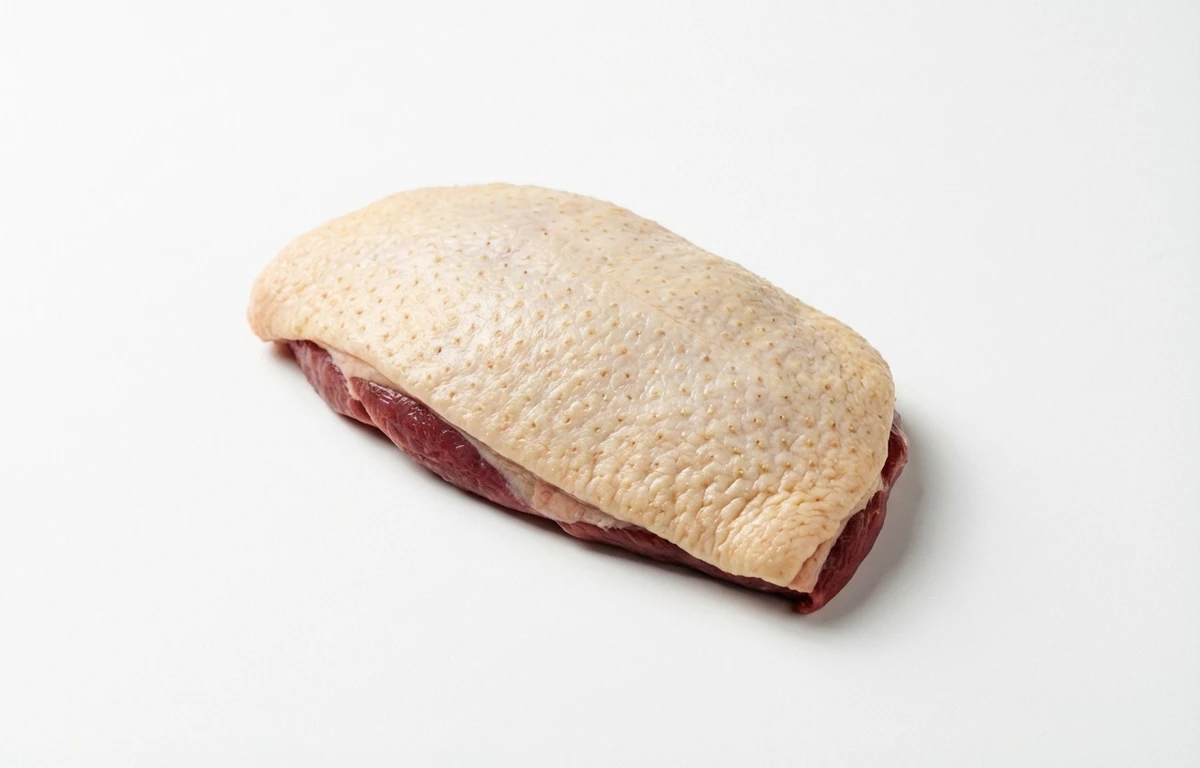
duck meat.
VegetarianVeganGluten-freeDairy-freeNut-freePeanut-freeSoy-freeEgg-freeShellfish-freeHoney-freeAlcohol-free
ALSO KNOWN AS
duckraw duckpatocanardbatakhanatraente
SERVING
CALORIES
337
PROTEIN
19g
CARBS
0g
FAT
28.4g
FIBER
0g
This ingredient is flagged as naturally gluten-free. Per 100 g, it provides 3.0 µg of vitamin K.
NUTRITION PROFILE · per 100 g
Everything in this ingredient.
MACRONUTRIENTS
Calories337kcal—
Protein19g38%
Carbohydrates0g0%
Fiber0g0%
Sugar0g0%
Total fat28.4g36%
Saturated fat9.7g49%
Trans fat0g—
Cholesterol84mg28%
Water52.4g—
MINERALS
Sodium65mg3%
Potassium204mg4%
Calcium11mg1%
Iron2.7mg15%
Magnesium16mg4%
Phosphorus156mg12%
Zinc1.9mg17%
Copper0.23mg26%
Manganese0.02mg1%
Selenium13.9µg25%
VITAMINS
Vitamin A63µg7%
Vitamin C0mg0%
Vitamin D0.10µg1%
Vitamin E0.70mg5%
Vitamin K3.0µg3%
Thiamin (B1)0.18mg15%
Riboflavin (B2)0.27mg21%
Niacin (B3)4.8mg30%
Pantothenic acid (B5)1.1mg22%
Vitamin B60.18mg11%
Folate (B9)10µg3%
Vitamin B120.40µg17%
%DV based on a 2,000 cal diet. Source: USDA FoodData Central. A dash in the %DV column means there’s no established Daily Value for that nutrient.
MEASUREMENT CONVERSIONS
How much is what.
1 cup250g
1 tablespoon15.8g
1 teaspoon5.3g
1 oz28.4g
1 lb453.6g
1 ml1.1g
1 liter1050g
HEALTH BENEFITS
Why eat it.
- ✓Excellent source of high-quality protein for muscle repair
- ✓Significantly higher iron content than chicken or turkey
- ✓Rich in B vitamins which support energy metabolism
- ✓Provides healthy monounsaturated fats similar to olive oil
COOKING TIPS
In the kitchen.
- 1Score the skin in a diamond pattern to help render the thick layer of fat
- 2Prick the skin all over (without piercing the meat) to allow fat to escape during roasting
- 3Save the rendered duck fat; it is highly prized for roasting potatoes and vegetables
STORAGE
Keep it fresh.
- Store raw duck in the coldest part of the refrigerator for 1-2 days
- Freeze in airtight, moisture-proof packaging for up to 6 months
- Thaw slowly in the refrigerator to maintain texture and safety
FAQ
Frequently asked questions.
How long does raw duck meat last in the fridge?
Raw duck meat should be used within 1 to 2 days of purchase if kept refrigerated at 40°F (4°C) or below.
Can duck meat be frozen?
Yes, duck meat freezes very well. Wrap it tightly in plastic wrap and then foil or a freezer bag; it will stay good for up to 6 months.
What is the best way to pick a quality duck?
Look for duck with plump breasts and skin that is creamy white or light yellow, without any blue tint or off-odors.
What can I use as a substitute for duck?
Goose is the closest substitute. For a more common alternative, use chicken thighs or turkey legs, as they have a higher fat content similar to duck.
How do I prepare duck to ensure the skin is crispy?
Pat the skin completely dry with paper towels and score the fat layer. Starting the duck in a cold pan and slowly increasing heat helps render the fat for crispier skin.
Is duck meat considered red meat or white meat?
Nutritionally and culinarily, duck is often considered 'red' poultry because it contains more myoglobin than chicken, but scientifically it is classified as white meat/poultry.
What are the main health benefits of duck?
Duck is rich in iron, zinc, and B-vitamins. While high in fat, much of it is monounsaturated fat, which is heart-healthy when consumed in moderation.
What are common dishes made with duck?
Popular dishes include Peking Duck, Duck Confit, Magret de Canard (seared breast), and Duck à l'Orange.
What is the safe internal cooking temperature for duck?
The USDA recommends cooking duck to an internal temperature of 165°F (74°C), though many chefs prefer serving the breast medium-rare (135°F-145°F).
RECIPES
Cook with duck meat.
1 recipes · sorted by what’s quick