
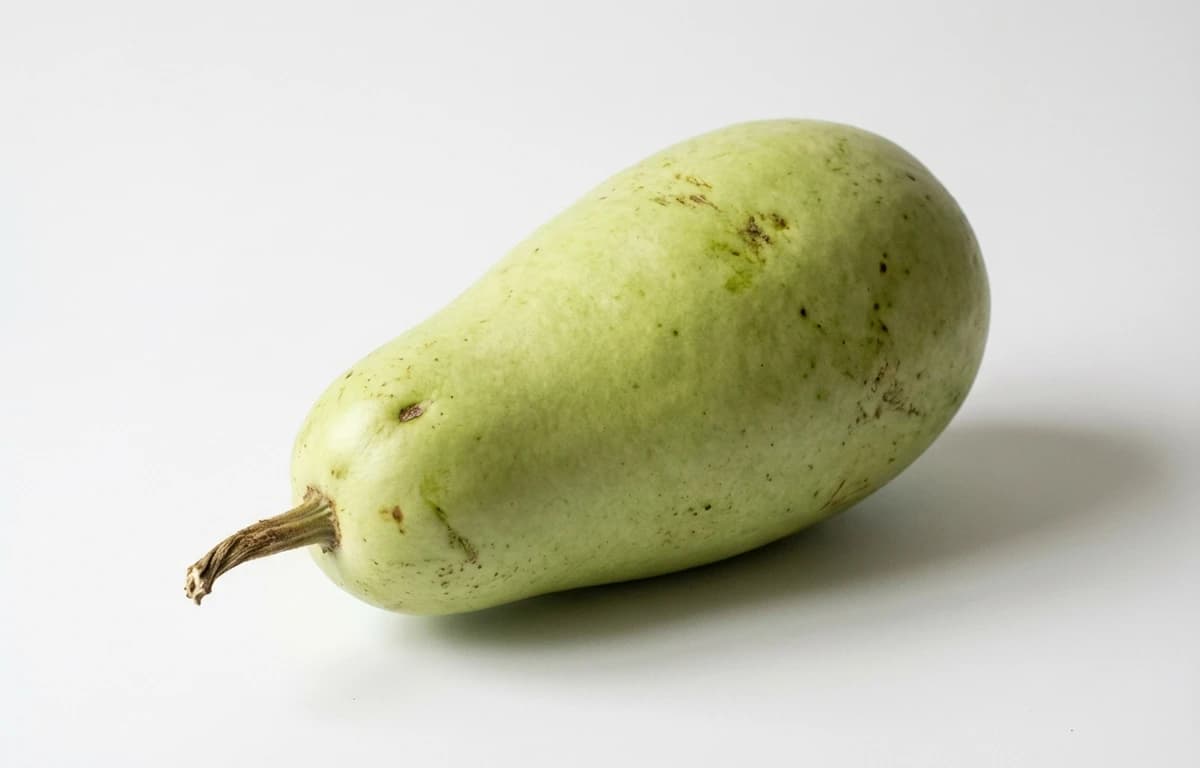
dudhi
Also known as:
Loading...
Also known as:
Per 100g
Nutrition data source: USDA FoodData Central
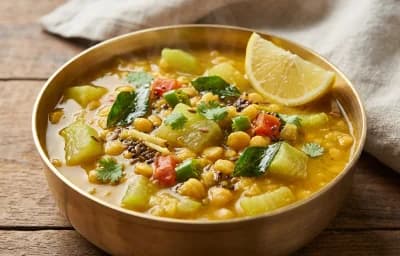
A wholesome and comforting Gujarati curry made with tender bottle gourd and split chickpeas. This simple, one-pot dish is lightly spiced and perfect for a healthy weeknight meal with rotis or rice.
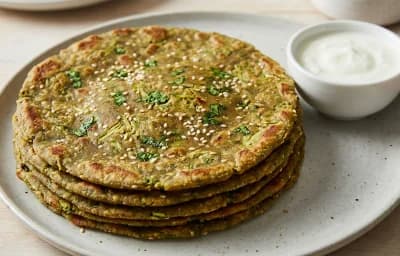
Soft, savory Indian flatbreads made with grated bottle gourd, whole wheat flour, and fragrant spices. A Gujarati travel-friendly classic, perfect for breakfast, lunch, or a snack with tea.

Savory steamed and pan-fried dumplings from Gujarat, made with grated bottle gourd and a blend of flours. A perfect tea-time snack that's both healthy and delicious, finished with a crackling tempering of mustard and sesame seeds.
Yes, dudhi is very healthy. It's exceptionally low in calories and fat, high in water content (over 90%), and a good source of dietary fiber. It also provides essential nutrients like Vitamin C, B vitamins, sodium, iron, and potassium, promoting hydration and digestive health.
Per 100g, dudhi contains approximately 14 calories, 0.62g protein, 3.39g carbohydrates, and a negligible 0.02g fat. It's particularly noted for its high water content and presence of vitamins like C and B, along with minerals such as sodium, iron, and potassium.
Absolutely, dudhi is excellent for weight loss. Its very low calorie and fat content, combined with high water and fiber, helps promote satiety and aids digestion without adding significant calories. It can be a filling and nutritious addition to a weight-conscious diet.
Yes, dudhi is generally considered suitable for diabetics. It has a low glycemic index due to its low carbohydrate and sugar content, and its fiber helps regulate blood sugar levels. It can be a beneficial vegetable to include in a diabetic meal plan.
Yes, as a natural vegetable, dudhi is inherently vegan and gluten-free. It is a plant-based food that fits perfectly into vegan diets and is safe for individuals with gluten sensitivities or celiac disease.
Dudhi is versatile and can be cooked in many ways. It's commonly peeled, deseeded (if mature), and chopped, then used in curries, stews, soups, or stir-fries. It can also be juiced, grated for fritters, or even used in sweet dishes like halwa.
Dudhi has a very mild, slightly sweet, and watery flavor. Its neutral taste makes it an excellent ingredient for absorbing the flavors of other spices and ingredients it's cooked with, making it adaptable to various cuisines.
dudhi is a versatile ingredient found in cuisines around the world. With 14 calories per 100g and 0.62 grams of protein, it's a nutritious addition to many dishes.
Explore more ingredients in the vegetable category with complete nutrition information.
View all vegetable →Store whole, unpeeled dudhi in a cool, dry place or in the refrigerator's crisper drawer for up to a week. Once cut, wrap the remaining portion tightly in plastic wrap and refrigerate, using it within 2-3 days to maintain freshness.
When selecting dudhi, look for one that is firm to the touch, has smooth skin without any blemishes, cuts, or soft spots. It should also feel heavy for its size, indicating good water content and freshness.
Yes, dudhi can be eaten raw, often juiced for its health benefits. However, it is crucial to taste a small piece first. If it tastes bitter, discard it immediately, as bitter dudhi contains toxic compounds (cucurbitacins) that can cause severe gastrointestinal distress.