
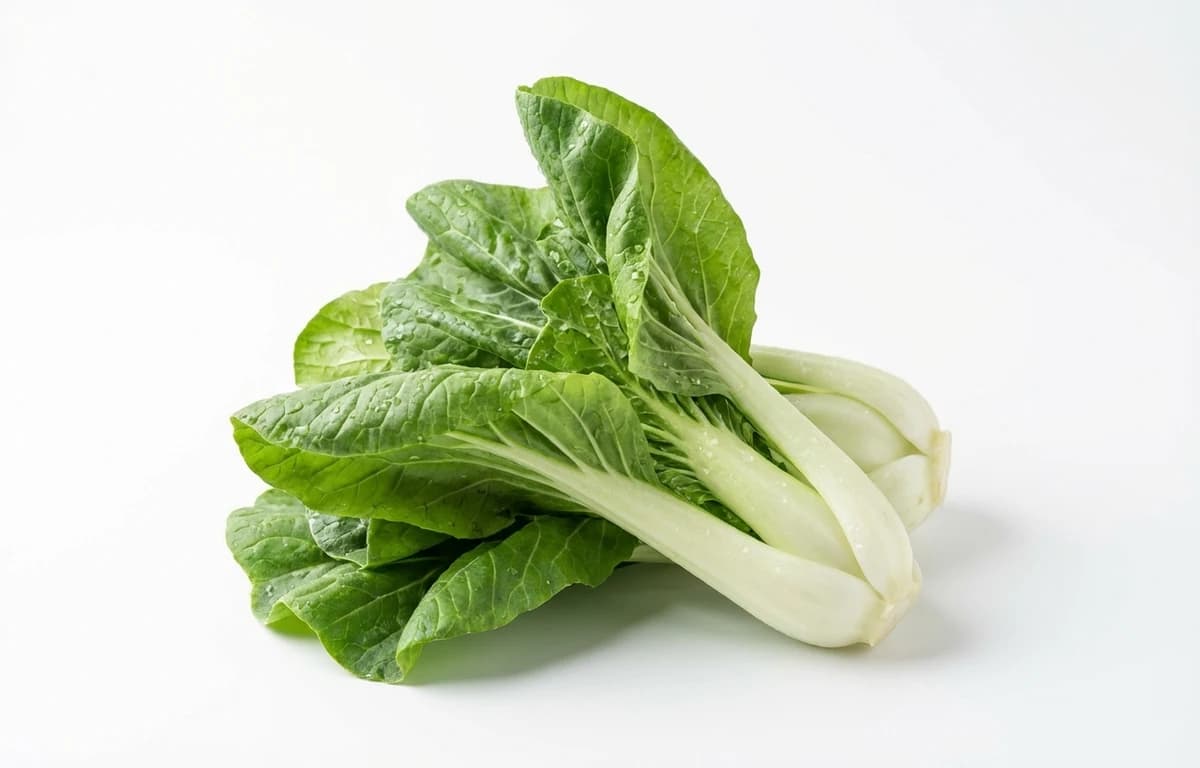
echor
Also known as: enchor, raw jackfruit, kathal, unripe jackfruit
Loading...
Also known as: enchor, raw jackfruit, kathal, unripe jackfruit
Per 100g
Nutrition data source: USDA FoodData Central
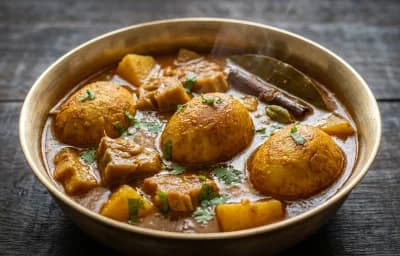
A classic Bengali vegetarian curry featuring tender green jackfruit and savory lentil dumplings simmered in a fragrant, spiced gravy. This dish beautifully mimics the texture of meat, making it a hearty and satisfying meal.
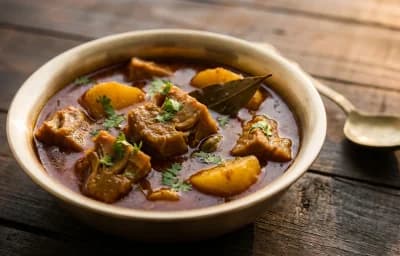
Tender chunks of young jackfruit and potatoes simmered in a rich, aromatic Bengali spice blend. This traditional 'echorer dalna' has a meaty texture that even non-vegetarians will love, perfect with rice or rotis.
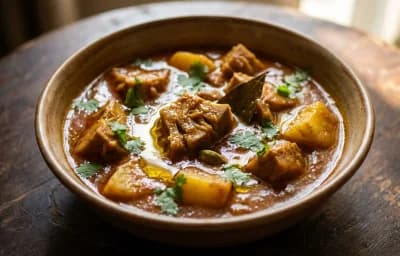
A classic Bengali delicacy where tender raw jackfruit and potatoes are simmered in a fragrant, spicy gravy. This 'vegetarian meat' curry is a flavorful centerpiece for any meal, best enjoyed with steamed rice or luchis.
Yes, echor is very healthy. It's rich in dietary fiber, which aids digestion and promotes gut health, and a good source of Vitamin C for immunity. It also provides potassium for healthy blood pressure and B vitamins for metabolism, all while being low in calories and fat.
Echor is packed with benefits, including high dietary fiber for gut health and digestion. It's a good source of Vitamin C, acting as an antioxidant and boosting immunity, and contains potassium for healthy blood pressure. Additionally, it provides essential B vitamins and various antioxidants that help protect cells.
Per 100g, echor contains approximately 94 calories and 24g of carbohydrates. It also has 1.5g of protein and a very low 0.3g of fat, making it a relatively energy-dense vegetable due to its carb content.
Yes, echor is naturally both vegan and gluten-free. As a plant-based vegetable, it contains no animal products or gluten-containing grains, making it suitable for these dietary preferences.
No, echor is not considered keto-friendly or low-carb. With approximately 24g of carbohydrates per 100g, its carb content is too high for a typical ketogenic diet, which strictly limits carb intake.
Echor is often cooked in curries, stews, or stir-fries, especially when young and unripe. It needs to be cooked thoroughly until tender, often requiring boiling or pressure cooking before being sautéed with spices. Its fibrous texture makes it a good meat substitute in many dishes.
When unripe, echor has a relatively neutral flavor, often described as subtly starchy or potato-like, making it excellent for absorbing flavors from spices and sauces. Its texture is firm and fibrous, similar to pulled pork when cooked.
echor is a versatile ingredient found in cuisines around the world. With 94 calories per 100g and 1.5 grams of protein, it's a nutritious addition to many dishes.
Explore more ingredients in the vegetable category with complete nutrition information.
View all vegetable →Whole, unripe echor can be stored at room temperature for a few days. Once cut, it should be wrapped tightly in plastic wrap or placed in an airtight container and refrigerated, where it will last for 3-5 days.
While technically edible raw, unripe echor is typically not consumed raw due to its firm, fibrous texture and sticky latex sap. It is almost always cooked to soften it and make it more palatable and digestible.
Yes, echor typically needs to be peeled before cooking, especially the tough outer skin of the unripe fruit. The sticky latex sap released when cutting also needs to be managed by oiling hands and knives, or by peeling under running water.