
Other1 recipes
edible camphor.
VegetarianVeganGluten-freeDairy-freeNut-freePeanut-freeSoy-freeEgg-freeShellfish-freeHoney-freeAlcohol-free
ALSO KNOWN AS
pachai karpoorampacha karpooramborneol
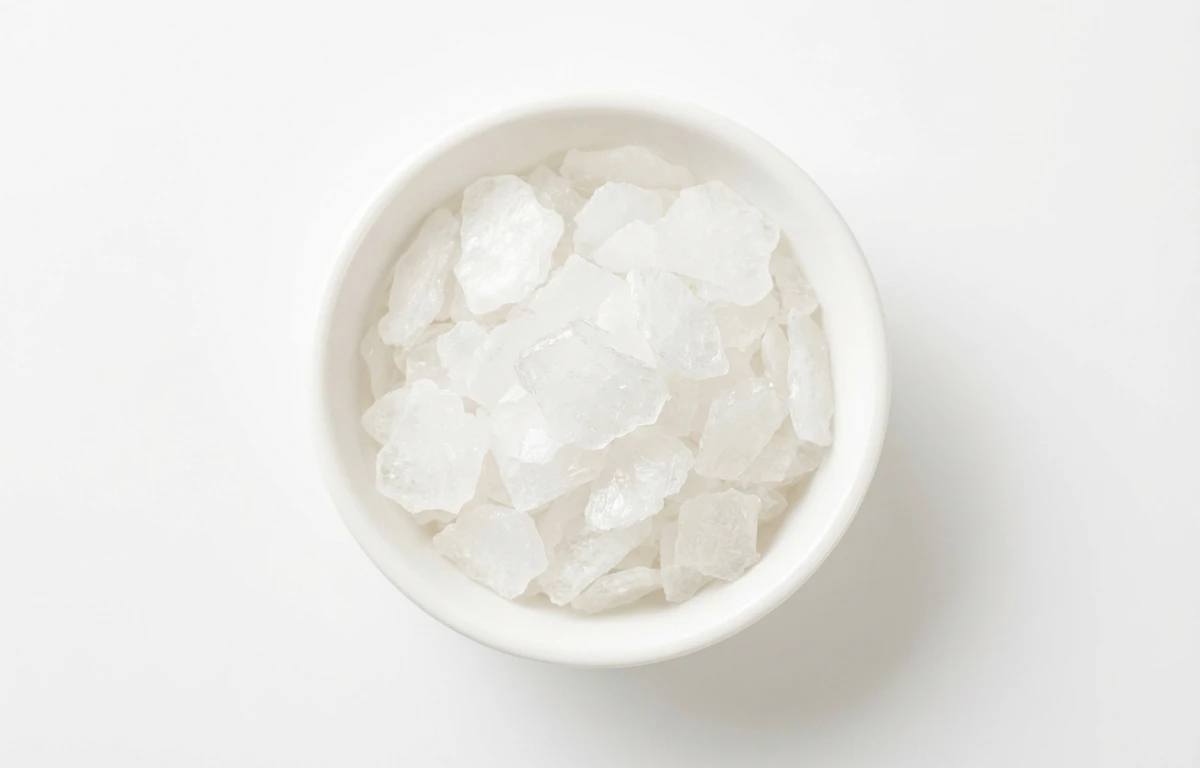
SERVING
CALORIES
0
PROTEIN
0g
CARBS
0g
FAT
0g
FIBER
0g
This ingredient is flagged as naturally gluten-free.
NUTRITION PROFILE · per 100 g
Everything in this ingredient.
MACRONUTRIENTS
Calories0kcal—
Protein0g0%
Carbohydrates0g0%
Fiber0g0%
Sugar0g0%
Total fat0g0%
Saturated fat0g0%
Cholesterol0mg0%
Water0g—
MINERALS
Sodium0mg0%
Potassium0mg0%
Calcium0mg0%
Iron0mg0%
VITAMINS
Vitamin A0µg0%
Vitamin C0mg0%
Vitamin D0µg0%
%DV based on a 2,000 cal diet. Source: USDA FoodData Central. A dash in the %DV column means there’s no established Daily Value for that nutrient.
MEASUREMENT CONVERSIONS
How much is what.
1 cup96g
1 tablespoon6g
1 teaspoon2g
1 ml0.4g
1 liter400g
1 piece0.5g
HEALTH BENEFITS
Why eat it.
- ✓In traditional medicine, it is used to aid digestion and relieve gas in very small quantities.
- ✓Believed to have expectorant properties, helping to clear congestion when used in steam inhalation (not for ingestion in this case).
- ✓Possesses antimicrobial and antifungal properties, which is why it's used as a natural preservative in some food preparations.
- ✓Acts as a cooling agent, providing a soothing effect, and is used in some traditional remedies for this purpose.
COOKING TIPS
In the kitchen.
- 1Use extremely sparingly. A tiny pinch, the size of a mustard seed, is often sufficient for a large dish. Overuse can result in a bitter, medicinal taste and can be toxic.
- 2Crush the camphor crystal into a fine powder before adding it to dishes to ensure it dissolves and distributes evenly.
- 3Add it at the very end of the cooking process, after the heat is turned off, to retain its delicate aroma which can be lost with prolonged heating.
- 4Commonly used to flavor traditional Indian sweets like Pongal, Payasam (kheer), and various types of Ladoos, imparting a unique, divine fragrance.
STORAGE
Keep it fresh.
- Store in a tightly sealed, airtight glass container as it is volatile and can sublimate (evaporate from a solid) at room temperature.
- Keep in a cool, dark, and dry place away from direct sunlight and heat to preserve its potent aroma and prevent degradation.
FAQ
Frequently asked questions.
Is edible camphor healthy?
Edible camphor is traditionally used in very small quantities for its perceived health benefits, such as aiding digestion and relieving gas. While it has antimicrobial properties, it's not a primary source of nutrition and should be consumed with extreme caution due to its potency. Always ensure you are using food-grade edible camphor.
What are the traditional health benefits of edible camphor?
In traditional medicine, edible camphor is believed to aid digestion, relieve flatulence, and act as a cooling agent. It also possesses antimicrobial and antifungal properties, which contribute to its use as a natural preservative in some food preparations. For respiratory congestion, it's sometimes used in steam inhalation, but this is external and not for ingestion.
Is edible camphor safe to consume?
Edible camphor is safe to consume only in extremely small, specified quantities and only if it is certified food-grade (Bhimseni or 'Pachai Karpooram'). Industrial or synthetic camphor is toxic and should never be ingested. Always purchase from reputable sources and adhere to traditional usage guidelines.
How is edible camphor used in cooking?
Edible camphor is primarily used in traditional Indian sweets, desserts, and some religious offerings to impart a unique, cooling, and aromatic flavor. It's added in tiny, almost imperceptible amounts, often dissolved in a liquid or mixed with other spices, to enhance the overall sensory experience.
Is edible camphor vegan or gluten-free?
Yes, edible camphor is typically vegan and gluten-free. It is a natural crystalline compound derived from the wood of the camphor laurel tree or synthesized, and does not contain animal products or gluten-containing grains. Always check the product label for any potential additives if you have severe allergies.
What is the difference between edible camphor and synthetic/industrial camphor?
The key difference lies in purity and source. Edible camphor (often called Bhimseni or 'Pachai Karpooram') is a natural, food-grade product specifically processed for consumption in minute quantities. Synthetic or industrial camphor, commonly found in balms or pest repellents, contains impurities and is toxic if ingested, making it unsafe for culinary use.
RECIPES
Cook with edible camphor.
1 recipes · sorted by what’s quick



















