
Condiment
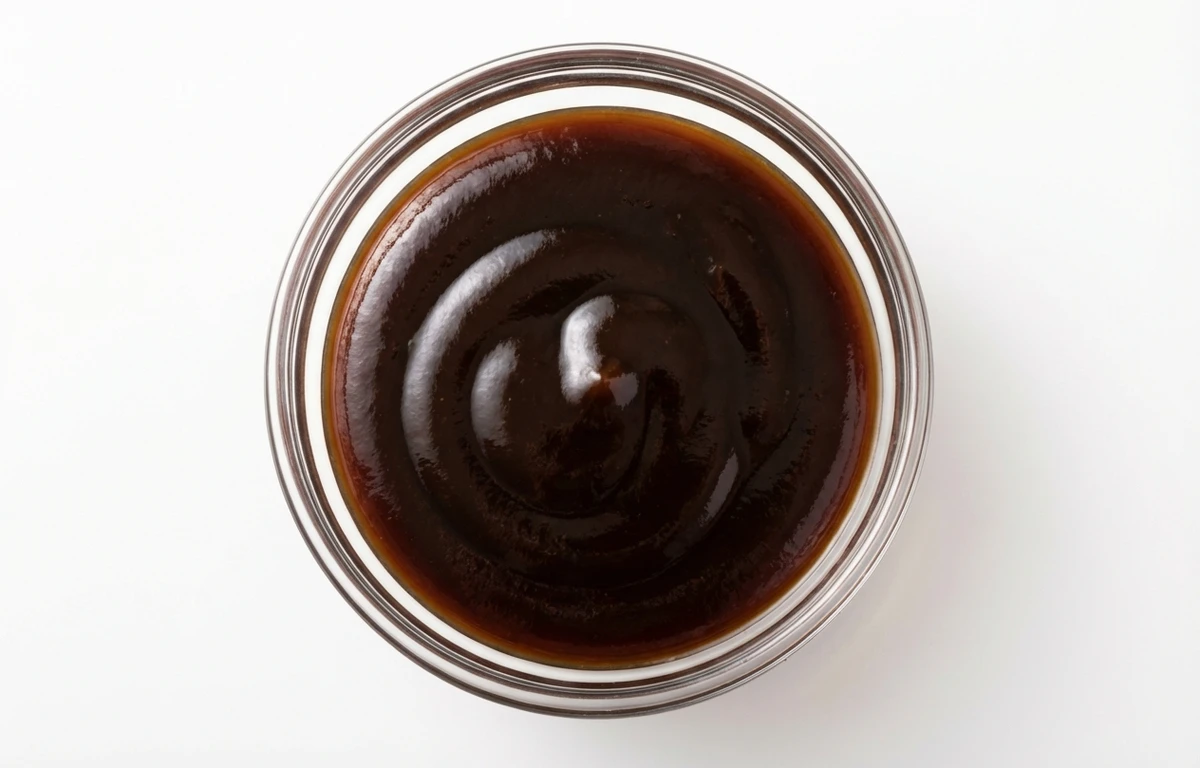
eel sauce.
VegetarianVeganGluten-freeDairy-freeNut-freePeanut-freeSoy-freeEgg-freeShellfish-freeHoney-freeAlcohol-freeHalalKosherFermented
ALSO KNOWN AS
unagi sauceunagi no tarenitsumekabayaki sauce
SERVING
CALORIES
265
PROTEIN
3.5g
CARBS
62g
FAT
0.10g
FIBER
0g
NUTRITION PROFILE · per 100 g
Everything in this ingredient.
MACRONUTRIENTS
Calories265kcal—
Protein3.5g7%
Carbohydrates62g23%
Fiber0g0%
Sugar55g110%
Total fat0.10g0%
Saturated fat0g0%
Trans fat0g—
Cholesterol0mg0%
Water30g—
MINERALS
Sodium3850mg167%
Potassium180mg4%
Calcium15mg1%
Iron0.80mg4%
Magnesium25mg6%
Phosphorus60mg5%
Zinc0.30mg3%
Copper0.05mg6%
Manganese0.20mg9%
Selenium1.2µg2%
VITAMINS
Vitamin A0µg0%
Vitamin C0mg0%
Vitamin D0µg0%
Vitamin E0mg0%
Vitamin K0µg0%
Thiamin (B1)0.02mg2%
Riboflavin (B2)0.05mg4%
Niacin (B3)1.5mg9%
Pantothenic acid (B5)0.10mg2%
Vitamin B60.05mg3%
Folate (B9)5.0µg1%
Vitamin B120.10µg4%
%DV based on a 2,000 cal diet. Source: USDA FoodData Central. A dash in the %DV column means there’s no established Daily Value for that nutrient.
MEASUREMENT CONVERSIONS
How much is what.
1 cup300g
1 tablespoon19g
1 teaspoon6g
1 oz28.4g
1 lb453.6g
1 ml1.3g
1 liter1250g
HEALTH BENEFITS
Why eat it.
- ✓Provides quick energy from carbohydrates
- ✓Contains amino acids from fermented soy
- ✓Trace minerals from seaweed/fish extracts
- ✓Enhances appetite through umami flavor
- ✓Low in fat
COOKING TIPS
In the kitchen.
- 1Use as a glaze for grilled fish, chicken, or tofu during the last minutes of cooking
- 2Drizzle over sushi rolls, especially dragon rolls or eel rolls, for a sweet-savory finish
- 3Simmer to thicken if the consistency is too thin for your preference
STORAGE
Keep it fresh.
- Store in an airtight container in the refrigerator after opening
- Keep in a cool, dark place if the bottle is still sealed
- Can be stored for up to 6-12 months when refrigerated
FAQ
Frequently asked questions.
Does eel sauce actually contain eel?
No, traditional eel sauce does not contain eel meat. It is named 'eel sauce' because it is the traditional accompaniment for grilled eel (unagi). However, it often contains dashi, which is made from fish flakes.
Is eel sauce vegan or vegetarian?
Generally, no. Traditional recipes use dashi (fish stock) or bonito flakes for depth of flavor. Always check the label for 'vegan' certifications if you avoid animal products.
What is a good substitute for eel sauce?
A mixture of soy sauce, sugar, and mirin simmered until thickened is the best substitute. Hoisin sauce diluted with a little soy sauce and water can also work in a pinch.
Does eel sauce contain gluten?
Yes, most eel sauces contain soy sauce made with wheat. For a gluten-free version, look for brands made with tamari.
How long does eel sauce last in the fridge?
Once opened, it typically lasts 6 to 12 months in the refrigerator due to its high sugar and salt content which act as preservatives.
Can I freeze eel sauce?
Freezing is not recommended as the high sugar content prevents it from freezing solid, and the texture may become grainy upon thawing.
What does eel sauce taste like?
It has a thick, syrupy consistency with a flavor profile that is deeply savory (umami), salty, and significantly sweet.
Is there alcohol in eel sauce?
Yes, traditional recipes use mirin and sometimes sake. While much of the alcohol burns off during the reduction process, trace amounts may remain.



















