
Grain
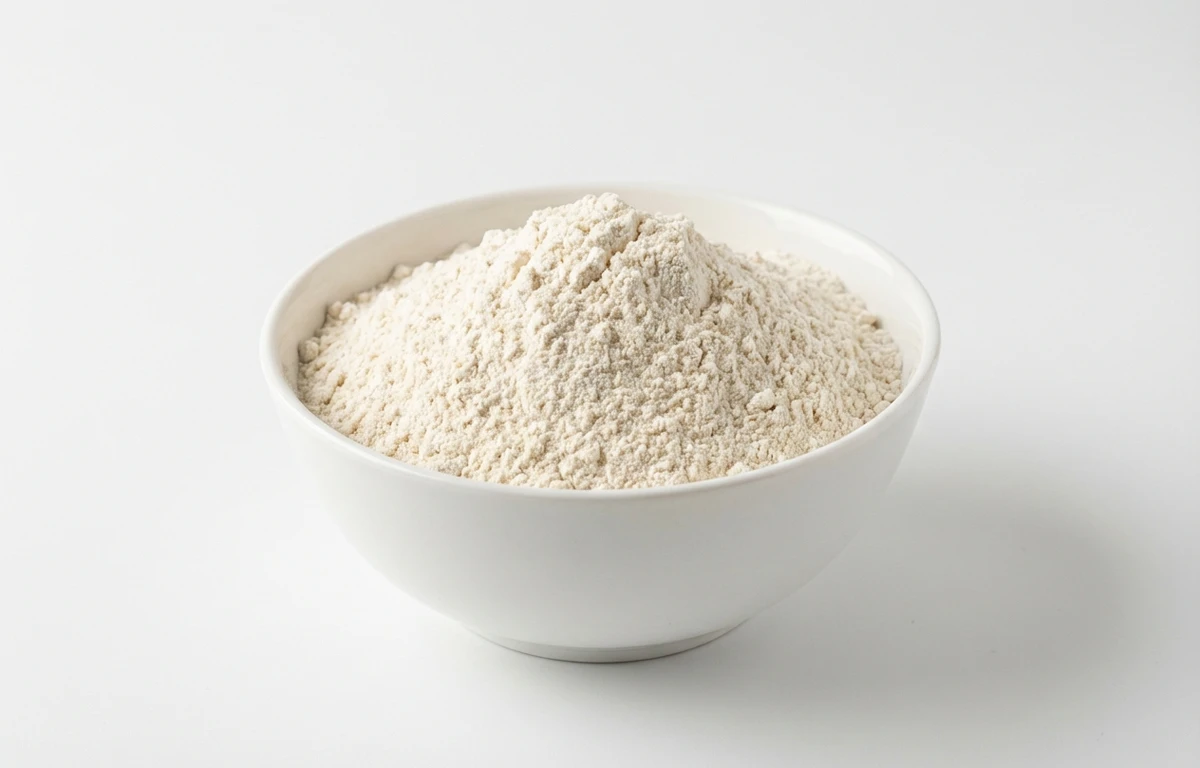
enriched bread wheat flour.
VegetarianVeganGluten-freeDairy-freeNut-freePeanut-freeSoy-freeEgg-freeShellfish-freeHoney-freeAlcohol-free
SERVING
CALORIES
361
PROTEIN
12g
CARBS
72.5g
FAT
1.7g
FIBER
2.4g
NUTRITION PROFILE · per 100 g
Everything in this ingredient.
MACRONUTRIENTS
Calories361kcal—
Protein12g24%
Carbohydrates72.5g26%
Fiber2.4g9%
Sugar0.31g1%
Total fat1.7g2%
Saturated fat0.24g1%
Cholesterol0mg0%
Water13.4g—
MINERALS
Sodium2.0mg0%
Potassium100mg2%
Calcium15mg1%
Iron4.4mg25%
Magnesium25mg6%
Phosphorus97mg8%
Zinc0.85mg8%
Copper0.18mg20%
Manganese0.79mg34%
Selenium39.7µg72%
VITAMINS
Vitamin A0µg0%
Vitamin C0mg0%
Vitamin D0µg0%
Vitamin E0.40mg3%
Vitamin K0.30µg0%
Thiamin (B1)0.81mg68%
Riboflavin (B2)0.51mg39%
Niacin (B3)7.5mg47%
Pantothenic acid (B5)0.44mg9%
Vitamin B60.04mg2%
Folate (B9)183µg46%
Vitamin B120µg0%
%DV based on a 2,000 cal diet. Source: USDA FoodData Central. A dash in the %DV column means there’s no established Daily Value for that nutrient.
MEASUREMENT CONVERSIONS
How much is what.
1 cup137g
1 tablespoon8.6g
1 teaspoon2.9g
1 ml0.6g
1 liter570.8g
HEALTH BENEFITS
Why eat it.
- ✓Provides a quick source of energy due to its high refined carbohydrate content.
- ✓Enriched with B vitamins like niacin, thiamine, and riboflavin, which are essential for energy metabolism.
- ✓Fortified with folic acid, which is crucial for preventing neural tube defects during pregnancy.
- ✓A significant source of dietary iron, which helps in the formation of red blood cells and prevents anemia.
COOKING TIPS
In the kitchen.
- 1Ideal for baking yeast breads, rolls, and pizza crusts due to its high protein content which develops strong gluten for structure and chewiness.
- 2Sift flour before incorporating it into batters to aerate it, remove lumps, and ensure a lighter texture in cakes and pastries.
- 3To avoid a tough final product in tender baked goods like cakes or muffins, mix the flour in just until combined and do not overmix.
- 4Can be used to create a roux (cooked with fat) or a slurry (mixed with cold water) to thicken sauces, gravies, and soups.
STORAGE
Keep it fresh.
- Store in a cool, dry, and dark place in an airtight container to prevent spoilage and infestation. It can be kept at room temperature for 6-8 months.
- For longer-term storage (up to 2 years), place the flour in a freezer-safe bag or container and store it in the freezer to maintain freshness.
FAQ
Frequently asked questions.
Is enriched bread wheat flour healthy?
Enriched bread wheat flour provides a quick source of energy due to its refined carbohydrates. It's fortified with essential B vitamins (niacin, thiamine, riboflavin), folic acid, and iron, which are crucial for energy metabolism, preventing neural tube defects, and red blood cell formation. However, it lacks the fiber and some nutrients found in whole wheat flour.
What are the nutritional values of enriched bread wheat flour?
Per 100g, enriched bread wheat flour contains approximately 361 calories, 11.98g of protein, 72.53g of carbohydrates, and 1.66g of fat. It's primarily a source of carbohydrates, providing energy, and also offers a good amount of protein for a grain.
Is enriched bread wheat flour good for weight loss?
Enriched bread wheat flour is high in refined carbohydrates and calories, which can contribute to weight gain if consumed in excess. It lacks the fiber found in whole grains that promotes satiety, making it less ideal for weight loss compared to whole wheat alternatives.
Is enriched bread wheat flour gluten-free?
No, enriched bread wheat flour is not gluten-free. It is derived from wheat, which naturally contains gluten, a protein that gives dough its elasticity. Individuals with celiac disease or gluten sensitivity must avoid it.
Can diabetics eat enriched bread wheat flour?
Diabetics should consume enriched bread wheat flour in moderation due to its high refined carbohydrate content, which can cause rapid spikes in blood sugar. Whole wheat flour or other low-glycemic alternatives are generally preferred for better blood sugar management.
What is enriched bread wheat flour best used for in cooking?
Enriched bread wheat flour is specifically milled for baking yeast-leavened breads. Its higher protein content (compared to all-purpose flour) allows for stronger gluten development, resulting in a chewier texture and better rise in breads, rolls, and pizza crusts.
How does enriched bread wheat flour differ from all-purpose flour?
Enriched bread wheat flour typically has a higher protein content (around 12-14%) compared to all-purpose flour (around 10-12%). This higher protein level leads to stronger gluten formation, which is essential for the structure and elasticity needed in yeast breads.
How should I store enriched bread wheat flour?
Store enriched bread wheat flour in an airtight container in a cool, dry, and dark place, such as a pantry. Proper storage helps prevent moisture absorption, pest infestation, and rancidity, extending its shelf life for up to 6-12 months.
What does "enriched" mean in enriched bread wheat flour?
"Enriched" means that certain nutrients lost during the milling process (when the bran and germ are removed) have been added back. These typically include B vitamins like niacin, thiamine, riboflavin, and folic acid, as well as iron.
Is enriched bread wheat flour a whole grain?
No, enriched bread wheat flour is not a whole grain. It is a refined grain product because the bran and germ, which contain most of the fiber and many nutrients, are removed during processing. Only the endosperm remains.



















