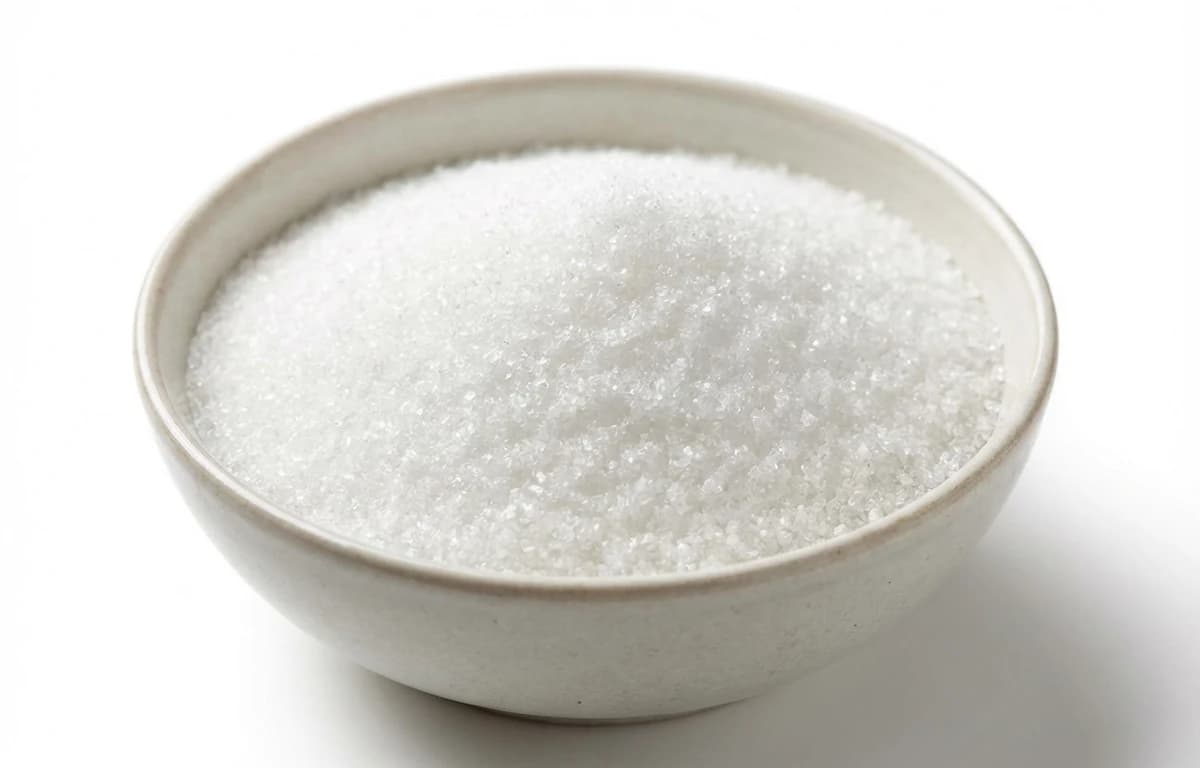
erythritol
Also known as:
Loading...

Also known as:
Per 100g
Nutrition data source: USDA FoodData Central
Common measurement equivalents in grams
Erythritol is a sugar alcohol that offers several health benefits, primarily being a zero-calorie sweetener that doesn't raise blood sugar or insulin levels. It's also non-cariogenic, meaning it doesn't contribute to tooth decay. Its unique absorption and excretion process generally leads to better digestive tolerance compared to other sugar alcohols.
Erythritol contains approximately 24 calories per 100g, but these calories are not metabolized by the human body in the same way as sugar, making it effectively zero-calorie for most dietary purposes. It consists of 100g of carbohydrates per 100g, but these are sugar alcohols and do not impact blood sugar.
Yes, erythritol can be beneficial for weight loss as it is a zero-calorie sweetener. By replacing sugar with erythritol, individuals can reduce their overall calorie intake without sacrificing sweetness, making it a useful tool for managing weight and adhering to low-calorie diets.
Yes, erythritol is considered safe for diabetics. It has a glycemic index of zero, meaning it does not raise blood sugar or insulin levels. This makes it an excellent sugar substitute for individuals managing diabetes or those looking to control their blood glucose.
Yes, erythritol is highly keto-friendly. Although it is technically a carbohydrate, it is a sugar alcohol that is not metabolized for energy and does not impact blood sugar or insulin. This means it contributes zero net carbs to a ketogenic diet.
Erythritol has a clean, sweet taste that is about 70% as sweet as table sugar. It lacks the bitter aftertaste often associated with some other artificial sweeteners. Some people may notice a slight cooling sensation on the tongue when consuming it.
erythritol is a versatile ingredient found in cuisines around the world. With 24 calories per 100g and valuable grams of protein, it's a nutritious addition to many dishes.
Explore more ingredients in the sweetener category with complete nutrition information.
View all sweetener →Yes, erythritol can be used in baking and cooking as a sugar substitute. However, because it is less sweet than sugar, you may need to use more to achieve the desired sweetness. It also doesn't caramelize like sugar and can sometimes recrystallize, leading to a slightly gritty texture in baked goods if used in large quantities.
Erythritol should be stored in a cool, dry place in an airtight container. This prevents it from absorbing moisture, which can cause clumping, and helps maintain its quality and shelf life.
Erythritol is generally well-tolerated and causes fewer digestive issues compared to other sugar alcohols like xylitol or sorbitol. This is because most of it is absorbed into the bloodstream before reaching the large intestine and is then excreted unchanged in urine, minimizing fermentation by gut bacteria.
Yes, erythritol promotes dental health. Unlike sugar, it is not metabolized by oral bacteria, meaning it does not contribute to the formation of plaque or tooth decay. Studies suggest it can even help inhibit the growth of certain oral bacteria.