Dairy6 recipes
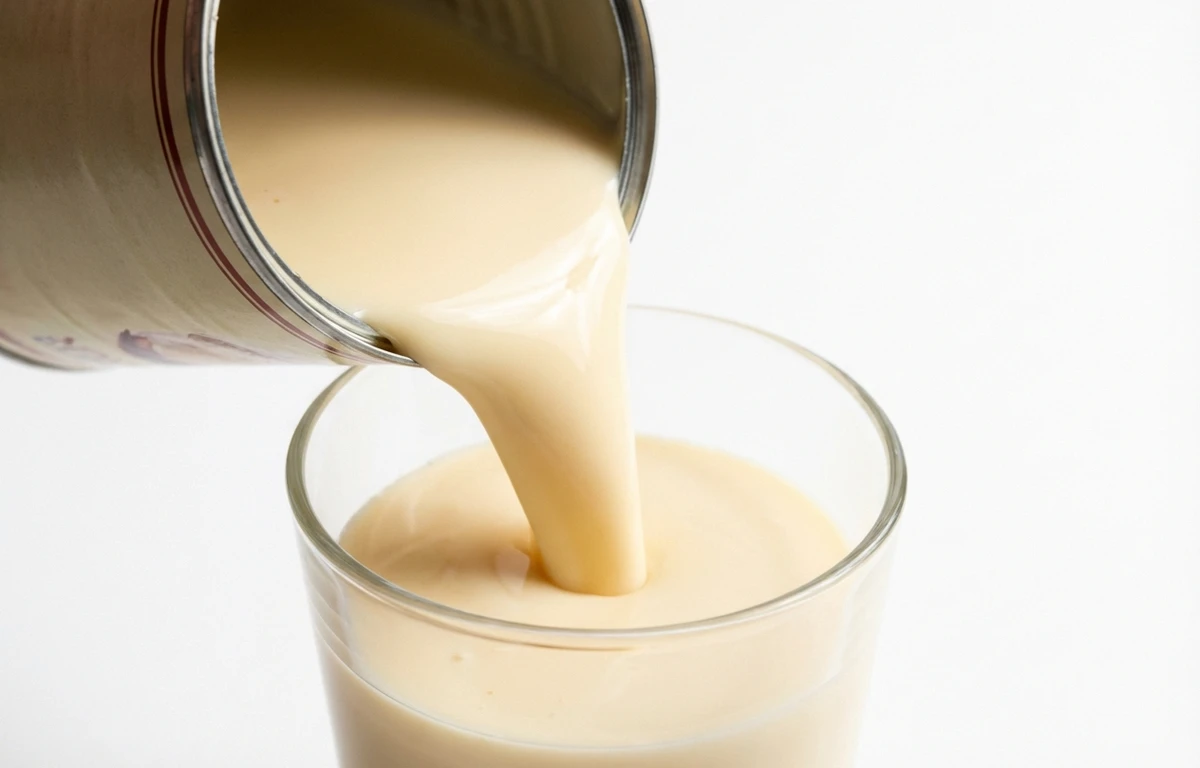
evaporated milk.
VegetarianVeganGluten-freeDairy-freeNut-freePeanut-freeSoy-freeEgg-freeShellfish-freeHoney-freeAlcohol-free
ALSO KNOWN AS
unsweetened condensed milkevaporated milkcanned milkdouble strength milkcanned evaporated milk
SERVING
CALORIES
134
PROTEIN
6.8g
CARBS
10g
FAT
7.5g
FIBER
0g
NUTRITION PROFILE · per 100 g
Everything in this ingredient.
MACRONUTRIENTS
Calories134kcal—
Protein6.8g14%
Carbohydrates10g4%
Fiber0g0%
Sugar10g20%
Total fat7.5g10%
Saturated fat4.6g23%
Cholesterol29mg10%
Water74.5g—
MINERALS
Sodium101mg4%
Potassium310mg7%
Calcium256mg20%
Iron0.07mg0%
Magnesium24mg6%
Phosphorus203mg16%
Zinc0.78mg7%
VITAMINS
Vitamin A108µg12%
Vitamin C1.6mg2%
Vitamin D2.9µg14%
Vitamin K1.0µg1%
Thiamin (B1)2.0mg167%
Riboflavin (B2)0.33mg25%
Niacin (B3)0.20mg1%
Vitamin B60.05mg3%
%DV based on a 2,000 cal diet. Source: USDA FoodData Central. A dash in the %DV column means there’s no established Daily Value for that nutrient.
MEASUREMENT CONVERSIONS
How much is what.
1 cup249.6g
1 tablespoon15.6g
1 teaspoon5.2g
1 oz31.1g
1 lb497.6g
1 ml1g
1 liter1040g
HEALTH BENEFITS
Why eat it.
- ✓Concentrated source of calcium and vitamin D, essential for bone health.
- ✓High in complete protein, which supports muscle repair and growth.
- ✓Provides key nutrients like phosphorus, vitamin A, and B vitamins (riboflavin and B12).
COOKING TIPS
In the kitchen.
- 1Use as a lower-fat substitute for heavy cream in creamy soups, sauces, and casseroles.
- 2For a whipped topping, thoroughly chill the can of evaporated milk, a mixing bowl, and beaters before whipping until stiff peaks form.
- 3Reconstitute to the consistency of regular milk by mixing equal parts evaporated milk and water.
- 4Create a simple caramel sauce (dulce de leche) by gently simmering the milk in a saucepan with sugar until it thickens and darkens.
STORAGE
Keep it fresh.
- Store unopened cans in a cool, dark pantry for up to one year.
- Once opened, transfer to an airtight container, refrigerate, and use within 3-5 days.
FAQ
Frequently asked questions.
Is evaporated milk healthy?
Evaporated milk is a concentrated source of essential nutrients like calcium and vitamin D, crucial for bone health. It also provides complete protein for muscle repair and other vitamins such as A, B12, and riboflavin. However, it is higher in calories and fat than regular milk due to its concentrated nature, so moderation is key.
How much protein and calories are in evaporated milk?
Per 100g, evaporated milk contains approximately 134 calories, 6.8g of protein, 10g of carbohydrates, and 7.5g of fat. This makes it a more calorie-dense and protein-rich option compared to an equal volume of regular milk.
Is evaporated milk good for weight loss?
While evaporated milk provides essential nutrients, its higher calorie and fat content per serving compared to regular milk means it should be consumed mindfully for weight loss. Opting for fat-free or low-fat versions, if available, can help reduce calorie intake. Portion control is important to fit it into a calorie-controlled diet.
Is evaporated milk vegan?
No, evaporated milk is not vegan. It is a dairy product made from cow's milk, which means it contains animal-derived ingredients. Vegans avoid all animal products.
Is evaporated milk lactose-free?
No, evaporated milk is not lactose-free. As it's made from cow's milk, it naturally contains lactose, the sugar found in dairy. Individuals with lactose intolerance should avoid it or seek lactose-free alternatives.
How is evaporated milk used in cooking?
Evaporated milk is a versatile ingredient used to add creaminess and richness to many dishes without the high fat content of heavy cream. It's commonly used in creamy sauces, soups, casseroles, desserts like pumpkin pie, and even in coffee or tea. It can also be whipped when chilled for a lighter topping.
What is the difference between evaporated milk and condensed milk?
Both are concentrated milks, but evaporated milk is unsweetened, while condensed milk is heavily sweetened with added sugar. Evaporated milk is used for richness and creaminess in savory and sweet dishes, whereas condensed milk is primarily used in desserts and sweet beverages due to its high sugar content.
How do you store evaporated milk?
Unopened cans of evaporated milk can be stored in a cool, dry pantry for several months, typically until the 'best by' date. Once opened, transfer any unused evaporated milk to an airtight container and refrigerate it.
How long does evaporated milk last once opened?
Once opened and refrigerated in an airtight container, evaporated milk typically lasts for about 3-5 days. It's best to use it within this timeframe to ensure freshness and prevent spoilage.
Can I substitute evaporated milk for regular milk?
Yes, you can often substitute evaporated milk for regular milk in recipes, especially when you want a richer, creamier texture. However, because it's more concentrated, you might need to dilute it with an equal amount of water to achieve the consistency of regular milk, depending on the recipe's requirements.
RECIPES
Cook with evaporated milk.
6 recipes · sorted by what’s quick