
Loading...
Per 100g
Nutrition data source: USDA FoodData Central
Fajita seasoning, when used in moderation, can contribute to a healthy diet. It's rich in antioxidants from spices like paprika and oregano, and capsaicin from chili powder may offer a temporary metabolic boost. Making a homemade version allows for control over sodium and sugar content, which can be high in commercial blends.
Commercial fajita seasoning blends can be quite high in sodium, often containing 200-400mg per serving (about 1-2 teaspoons). It's important to check the nutrition label if you are monitoring your sodium intake. Making your own blend allows you to significantly reduce or eliminate added salt.
Most fajita seasoning blends are naturally gluten-free, as they are primarily composed of spices. However, some commercial brands may use anti-caking agents or other additives that could contain gluten. Always check the ingredient list and look for a 'gluten-free' certification if you have celiac disease or a gluten sensitivity.
Yes, fajita seasoning is almost always vegan. It is a blend of plant-based spices and herbs, typically containing no animal products or by-products. It's a great way to add flavor to vegan dishes like vegetable fajitas or tofu scrambles.
Yes, fajita seasoning is generally keto-friendly. While 100g of seasoning contains about 62g of carbs, a typical serving size (1-2 teaspoons or 5-10g) would only contribute a small amount of net carbs, usually 3-6g. This amount is usually negligible when spread across a meal, making it suitable for a ketogenic diet.
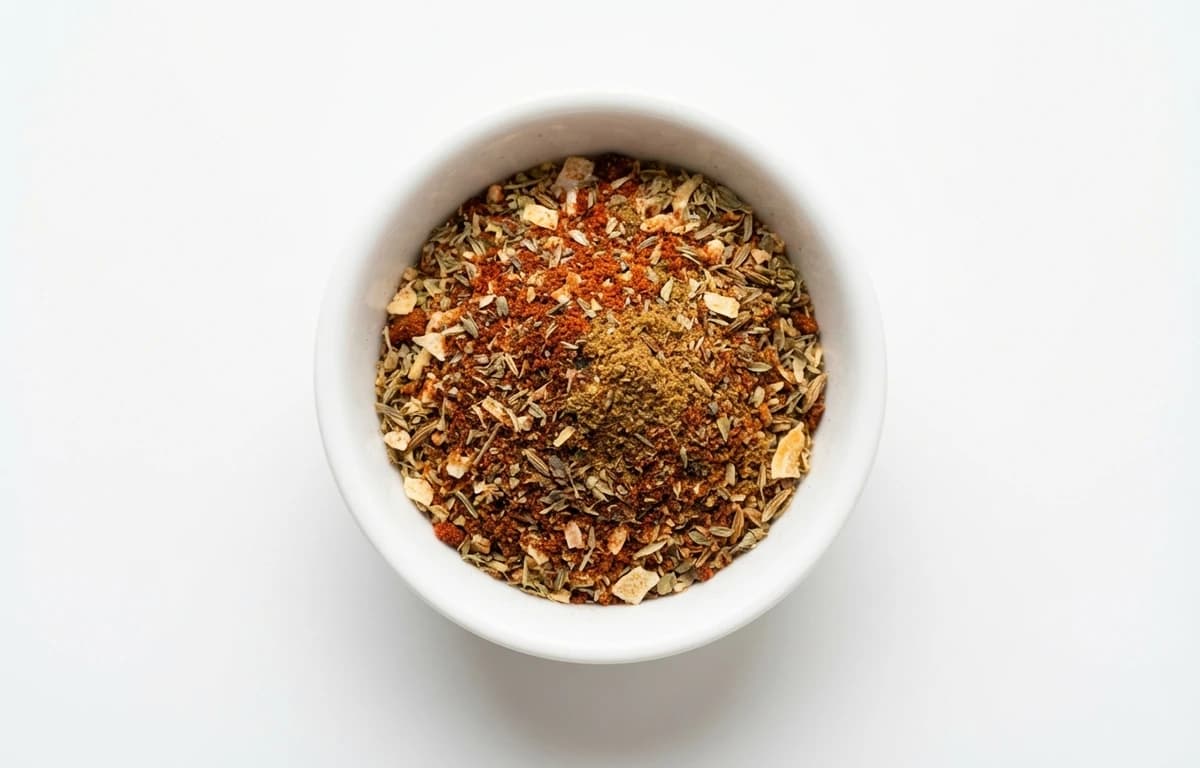
Fajita seasoning offers a robust, smoky, and savory flavor profile with a mild to moderate kick. Key notes include earthy cumin, sweet and smoky paprika, pungent garlic and onion, and a touch of heat from chili powder. It's designed to complement grilled meats and vegetables, giving them a classic Tex-Mex taste.
fajita seasoning is a versatile ingredient found in cuisines around the world. With 315 calories per 100g and 9.5 grams of protein, it's a nutritious addition to many dishes.
Explore more ingredients in the spice category with complete nutrition information.
View all spice →Discover 1 recipes featuring fajita seasoning with step-by-step instructions.
Browse recipes →Fajita seasoning is primarily used to flavor meats (chicken, beef, shrimp) and vegetables (bell peppers, onions) for fajitas. You can sprinkle it directly onto ingredients before cooking, use it as a dry rub, or mix it with a little oil and lime juice to create a marinade. It's also great for seasoning tacos, burritos, or roasted vegetables.
To maintain its potency and flavor, store fajita seasoning in an airtight container away from direct sunlight, heat, and moisture. A cool, dark pantry or cupboard is ideal. Proper storage prevents clumping and preserves the aromatic compounds of the spices.
While dried spices don't truly 'spoil' in a way that makes them unsafe, they do lose their flavor and potency over time. Ground spices like those in fajita seasoning are best used within 6-12 months for optimal flavor. Beyond that, they may still be usable but will have a weaker taste and aroma.
Absolutely! Making your own fajita seasoning is easy and allows you to customize the flavor and control the sodium content. Common ingredients include chili powder, ground cumin, paprika (smoked or sweet), garlic powder, onion powder, dried oregano, salt, and black pepper. You can adjust the ratios to suit your taste preferences.