
Dairy
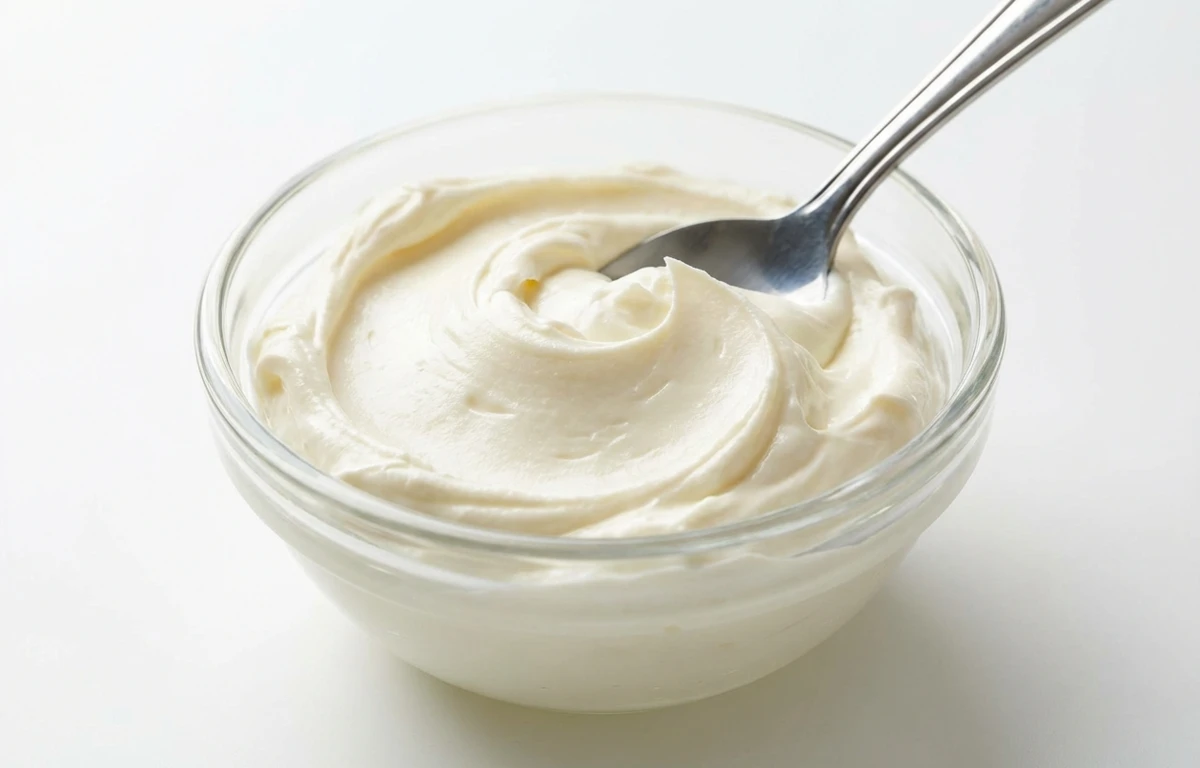
fat free cream cheese.
VegetarianVeganGluten-freeDairy-freeNut-freePeanut-freeSoy-freeEgg-freeShellfish-freeHoney-freeAlcohol-freeFermented
SERVING
CALORIES
105
PROTEIN
15.7g
CARBS
7.7g
FAT
1.0g
FIBER
0g
NUTRITION PROFILE · per 100 g
Everything in this ingredient.
MACRONUTRIENTS
Calories105kcal—
Protein15.7g31%
Carbohydrates7.7g3%
Fiber0g0%
Sugar5.5g11%
Total fat1.0g1%
Saturated fat0.64g3%
Cholesterol12mg4%
Water71.9g—
MINERALS
Sodium702mg31%
Potassium278mg6%
Calcium351mg27%
Iron0.19mg1%
Magnesium22mg5%
Phosphorus523mg42%
Zinc1.5mg14%
Copper0.04mg4%
Manganese0.02mg1%
Selenium4.9µg9%
VITAMINS
Vitamin A11µg1%
Vitamin C0mg0%
Vitamin D0µg0%
Vitamin E0.02mg0%
Vitamin K0.20µg0%
Thiamin (B1)0.04mg3%
Riboflavin (B2)0.27mg21%
Niacin (B3)0.23mg1%
Pantothenic acid (B5)0.84mg17%
Vitamin B60.05mg3%
Folate (B9)35µg9%
Vitamin B120.95µg40%
%DV based on a 2,000 cal diet. Source: USDA FoodData Central. A dash in the %DV column means there’s no established Daily Value for that nutrient.
MEASUREMENT CONVERSIONS
How much is what.
1 cup288g
1 tablespoon18g
1 teaspoon6g
1 ml1.2g
1 liter1200g
HEALTH BENEFITS
Why eat it.
- ✓Significantly lower in calories and saturated fat compared to regular cream cheese, supporting weight management and heart health.
- ✓Provides a good source of protein, which contributes to satiety and helps maintain muscle mass.
- ✓Contains calcium, an essential mineral for strong bones and teeth.
- ✓As a cultured dairy product, it may contain beneficial probiotics that support gut health, though levels can vary by brand.
COOKING TIPS
In the kitchen.
- 1Best used in cold applications like spreads, dips, or no-bake desserts, as its texture can become gummy or watery when heated.
- 2When substituting for full-fat cream cheese in baking, be aware that it will result in a denser, less rich, and less creamy final product.
- 3To create a smoother, less dense dip or spread, whip the fat free cream cheese with an electric mixer before incorporating other ingredients.
- 4Avoid using in cooked sauces, especially those that will be boiled, as the lack of fat and presence of stabilizers makes it prone to separating and curdling.
STORAGE
Keep it fresh.
- Keep refrigerated at or below 40°F (4°C) in its original, tightly sealed container.
- Once opened, use within 7-10 days for optimal freshness and safety. Discard if any mold appears or it develops an off-smell.
- Freezing is not recommended as it drastically alters the texture, causing it to become watery, grainy, and separated upon thawing.
FAQ
Frequently asked questions.
Is fat-free cream cheese healthy?
Yes, fat-free cream cheese can be a healthy option, especially when compared to its full-fat counterpart. It's significantly lower in calories and saturated fat, making it beneficial for heart health and weight management. It also provides a good source of protein and calcium.
What are the nutritional values of fat-free cream cheese?
Per 100g, fat-free cream cheese typically contains around 105 calories, 15.69g of protein, 7.66g of carbohydrates, and only 1g of fat. This makes it a high-protein, low-fat option compared to regular cream cheese.
Is fat-free cream cheese good for weight loss?
Yes, fat-free cream cheese can be beneficial for weight loss due to its low calorie and fat content, combined with its relatively high protein. The protein helps increase satiety, which can reduce overall calorie intake. It allows you to enjoy the creamy texture of cream cheese with fewer calories.
Is fat-free cream cheese vegan?
No, fat-free cream cheese is not vegan. It is a dairy product made from milk, so it contains animal-derived ingredients. It is suitable for vegetarians, but not for those following a vegan diet.
Is fat-free cream cheese gluten-free?
Most fat-free cream cheese brands are naturally gluten-free, as their primary ingredients (milk, cultures, salt) do not contain gluten. However, it's always best to check the product label for specific certifications or allergen statements to ensure no cross-contamination or added gluten-containing ingredients.
Is fat-free cream cheese keto-friendly?
While fat-free cream cheese is low in fat, its carbohydrate content (around 7.66g per 100g) might be too high for strict ketogenic diets. Traditional full-fat cream cheese, despite being higher in calories, is often preferred on keto due to its very low carb count and high fat content.
How does fat-free cream cheese taste and feel compared to regular cream cheese?
Fat-free cream cheese generally has a tangier flavor and a firmer, less creamy texture than regular cream cheese. It can sometimes feel a bit rubbery or gelatinous due to the absence of fat and the addition of stabilizers. The richness and mouthfeel of full-fat versions are typically absent.
Can fat-free cream cheese be used in baking and cooking?
Yes, fat-free cream cheese can be used in baking and cooking, but with some considerations. Its lower fat content means it may not melt or blend as smoothly as regular cream cheese, and baked goods might be less rich or moist. It works best in recipes where its texture isn't critical, like dips, spreads, or lighter cheesecakes.
How should I store fat-free cream cheese?
Fat-free cream cheese should be stored in its original packaging in the refrigerator at all times. Once opened, ensure it's tightly sealed to prevent drying out and absorb odors. Proper refrigeration helps maintain its freshness and prevents spoilage.
Can you freeze fat-free cream cheese?
While technically possible, freezing fat-free cream cheese is not recommended for optimal texture. Upon thawing, it tends to become grainy, watery, and lose its smooth consistency, making it less appealing for spreading or baking. It might still be usable in cooked dishes where texture is less critical.



















