
Egg
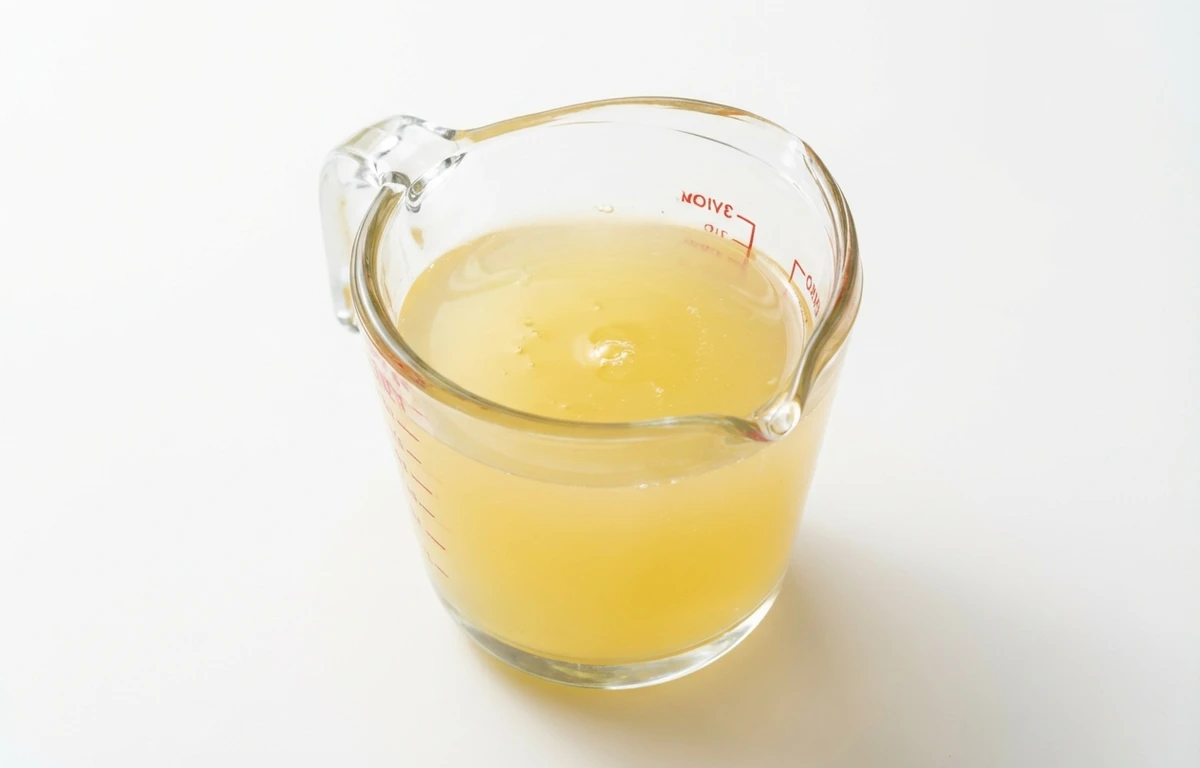
fat free egg substitute.
VegetarianVeganGluten-freeDairy-freeNut-freePeanut-freeSoy-freeEgg-freeShellfish-freeHoney-freeAlcohol-free
ALSO KNOWN AS
liquid egg substitutecholesterol-free egg substitute
SERVING
CALORIES
48
PROTEIN
10g
CARBS
1.5g
FAT
0g
FIBER
0g
NUTRITION PROFILE · per 100 g
Everything in this ingredient.
MACRONUTRIENTS
Calories48kcal—
Protein10g20%
Carbohydrates1.5g1%
Fiber0g0%
Sugar1.0g2%
Total fat0g0%
Saturated fat0g0%
Trans fat0g—
Cholesterol0mg0%
Water87.5g—
MINERALS
Sodium165mg7%
Potassium150mg3%
Calcium55mg4%
Iron0.10mg1%
Magnesium11mg3%
Phosphorus82mg7%
Zinc0.03mg0%
Copper0.02mg2%
Manganese0.01mg0%
Selenium20µg36%
VITAMINS
Vitamin A150µg17%
Vitamin C0mg0%
Vitamin D2.0µg10%
Vitamin E0mg0%
Vitamin K0µg0%
Thiamin (B1)0.02mg2%
Riboflavin (B2)0.40mg31%
Niacin (B3)0.10mg1%
Pantothenic acid (B5)0.20mg4%
Vitamin B60.02mg1%
Folate (B9)5.0µg1%
Vitamin B120.50µg21%
%DV based on a 2,000 cal diet. Source: USDA FoodData Central. A dash in the %DV column means there’s no established Daily Value for that nutrient.
MEASUREMENT CONVERSIONS
How much is what.
1 cup247.2g
1 tablespoon15.5g
1 teaspoon5.2g
1 oz29.2g
1 lb453.6g
1 ml1g
1 liter1030g
1 piece61.8g
HEALTH BENEFITS
Why eat it.
- ✓Zero cholesterol for heart health
- ✓High quality protein source
- ✓Low calorie alternative to whole eggs
- ✓Fortified with essential vitamins
- ✓Low in saturated fat
COOKING TIPS
In the kitchen.
- 1Use 1/4 cup (approx 60g) to replace one large whole egg
- 2Cook over medium-low heat as it dries out faster than whole eggs
- 3Shake the carton well before pouring to ensure even consistency
STORAGE
Keep it fresh.
- Keep refrigerated at all times
- Use within 7 days of opening the carton
- Do not use if the carton is bloated or smells off
FAQ
Frequently asked questions.
What is fat-free egg substitute made of?
It is primarily made of egg whites (about 99%), with added thickeners, vitamins, and beta-carotene or turmeric for yellow color.
Is fat-free egg substitute vegan?
No, it is not vegan because it is made from real poultry egg whites.
How much substitute equals one whole egg?
Generally, 1/4 cup or 4 tablespoons (approx 60-62g) of liquid substitute equals one large whole egg.
Can I freeze egg substitute?
Yes, unopened cartons can be frozen. Once thawed, use within a few days and do not refreeze.
Can I use this in baking?
Yes, it works well in most baking recipes, though it may result in a slightly less rich texture due to the lack of fat from yolks.
Does it taste like real eggs?
It has a very similar taste and texture to scrambled egg whites, though it lacks the richness of the yolk.
How long does it last in the fridge?
Unopened, it lasts until the expiration date. Once opened, it should be consumed within 7 days.
Is it healthier than whole eggs?
For those monitoring cholesterol or calorie intake, it is a healthier option as it removes the fat and cholesterol found in the yolk.
Why is it yellow if it's just egg whites?
Manufacturers add natural colorants like beta-carotene or turmeric to make it look like whisked whole eggs.
Can I make an omelet with it?
Absolutely. It behaves very similarly to whisked eggs in a pan, though it may cook slightly faster.



















