
Dairy
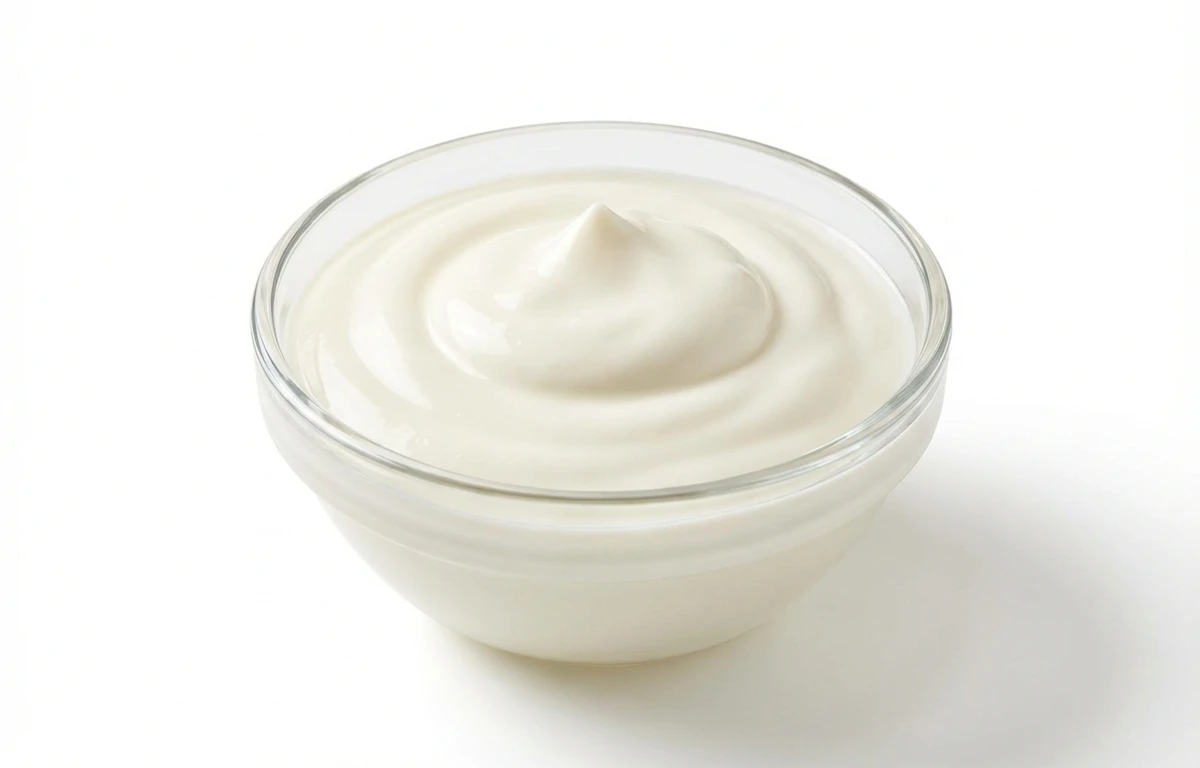
fat free sour cream.
VegetarianVeganGluten-freeDairy-freeNut-freePeanut-freeSoy-freeEgg-freeShellfish-freeHoney-freeAlcohol-freeFermented
SERVING
CALORIES
74
PROTEIN
3.1g
CARBS
15.6g
FAT
0g
FIBER
0g
NUTRITION PROFILE · per 100 g
Everything in this ingredient.
MACRONUTRIENTS
Calories74kcal—
Protein3.1g6%
Carbohydrates15.6g6%
Fiber0g0%
Sugar0.39g1%
Total fat0g0%
Saturated fat0g0%
Cholesterol9.0mg3%
Water80.6g—
MINERALS
Sodium141mg6%
Potassium129mg3%
Calcium125mg10%
Iron0mg0%
Magnesium10mg2%
Phosphorus95mg8%
Zinc0.50mg5%
Copper0.02mg2%
Selenium5.3µg10%
VITAMINS
Vitamin A73µg8%
Vitamin C0mg0%
Vitamin D0µg0%
Vitamin E0mg0%
Vitamin K0µg0%
Thiamin (B1)0.04mg3%
Riboflavin (B2)0.15mg12%
Niacin (B3)0.07mg0%
Vitamin B60.02mg1%
Folate (B9)11µg3%
Vitamin B120.30µg13%
%DV based on a 2,000 cal diet. Source: USDA FoodData Central. A dash in the %DV column means there’s no established Daily Value for that nutrient.
MEASUREMENT CONVERSIONS
How much is what.
1 cup230g
1 tablespoon12g
1 teaspoon4g
1 ml0.8g
1 liter800g
HEALTH BENEFITS
Why eat it.
- ✓Lower in calories and saturated fat compared to regular sour cream, making it a suitable choice for calorie-controlled diets.
- ✓Provides a source of protein and calcium, which are important for muscle maintenance and bone health.
- ✓As a fermented product, it can contain probiotics that may support a healthy gut microbiome and digestion.
- ✓Contains essential nutrients like phosphorus, vitamin B12, and riboflavin.
COOKING TIPS
In the kitchen.
- 1To prevent curdling, avoid adding it directly to very hot soups or sauces. Temper it by stirring a small amount of the hot liquid into the sour cream before incorporating it into the dish.
- 2Use as a base for lighter dips, dressings, and marinades by combining with herbs, spices, or citrus juice.
- 3It's an excellent topping for baked potatoes, tacos, and chili to add a creamy, tangy flavor without the extra fat.
- 4Due to its low fat content, it may not perform as well as full-fat sour cream in baking, as it can alter the texture and moisture of the final product.
STORAGE
Keep it fresh.
- Keep refrigerated at or below 40°F (4°C) in its original container, sealed tightly.
- Once opened, consume within 7-10 days for best quality. Discard if you see mold or an off-smell.
- Do not freeze, as the texture will separate and become grainy upon thawing.
FAQ
Frequently asked questions.
Is fat-free sour cream healthy?
Fat-free sour cream can be a healthier alternative to regular sour cream, as it contains significantly fewer calories and no saturated fat. It still provides some protein and calcium, important for muscle and bone health. As a fermented product, it may also offer probiotics that support gut health.
What are the nutritional values of fat-free sour cream?
Per 100g, fat-free sour cream typically contains about 74 calories, 3.1g of protein, 15.6g of carbohydrates, and 0g of fat. It also provides essential nutrients like phosphorus, vitamin B12, and riboflavin, while being very low in cholesterol.
Is fat-free sour cream good for weight loss?
Yes, fat-free sour cream can be a good option for weight loss due to its significantly lower calorie and fat content compared to full-fat versions. Substituting it in recipes can help reduce overall calorie intake without sacrificing flavor, making it easier to manage weight.
Is fat-free sour cream vegan?
No, fat-free sour cream is not vegan. It is a dairy product made from cow's milk, typically skim milk, and therefore contains animal-derived ingredients. For a vegan alternative, look for plant-based sour cream substitutes.
Is fat-free sour cream gluten-free?
Generally, fat-free sour cream is gluten-free, as its primary ingredients (milk, cultures) do not contain gluten. However, it's always best to check the product label for specific certifications or any added ingredients that might contain gluten, especially if you have a severe sensitivity.
Can diabetics eat fat-free sour cream?
Diabetics can typically eat fat-free sour cream in moderation, but they should be mindful of its carbohydrate content, which is around 15.6g per 100g. While it's fat-free, the carbs can impact blood sugar levels, so portion control and checking labels for added sugars are important.
How can I use fat-free sour cream in recipes?
Fat-free sour cream can be used in many ways, similar to regular sour cream, to add tanginess and creaminess. It's great as a topping for baked potatoes, tacos, or chili, and can be incorporated into dips, salad dressings, or even some baked goods for a lighter touch.
Does fat-free sour cream taste and feel the same as regular sour cream?
Fat-free sour cream has a similar tangy flavor to regular sour cream, but its texture is typically thinner and less rich due to the absence of fat. Some people may notice a slight difference in mouthfeel, but it still provides a good creamy element to dishes.
How should I store fat-free sour cream?
Fat-free sour cream should always be stored in the refrigerator at or below 40°F (4°C). Keep it in its original sealed container. Once opened, it typically lasts for about 7-14 days, but always check the 'best by' date and look for any signs of spoilage.
Can you freeze fat-free sour cream?
While technically possible, freezing fat-free sour cream is not recommended for culinary uses where texture is important. Freezing causes the water and milk solids to separate, resulting in a grainy, watery, and unappealing texture upon thawing. It's best used fresh.



















