
Loading...
Per 100g
Nutrition data source: USDA FoodData Central
Common measurement equivalents in grams
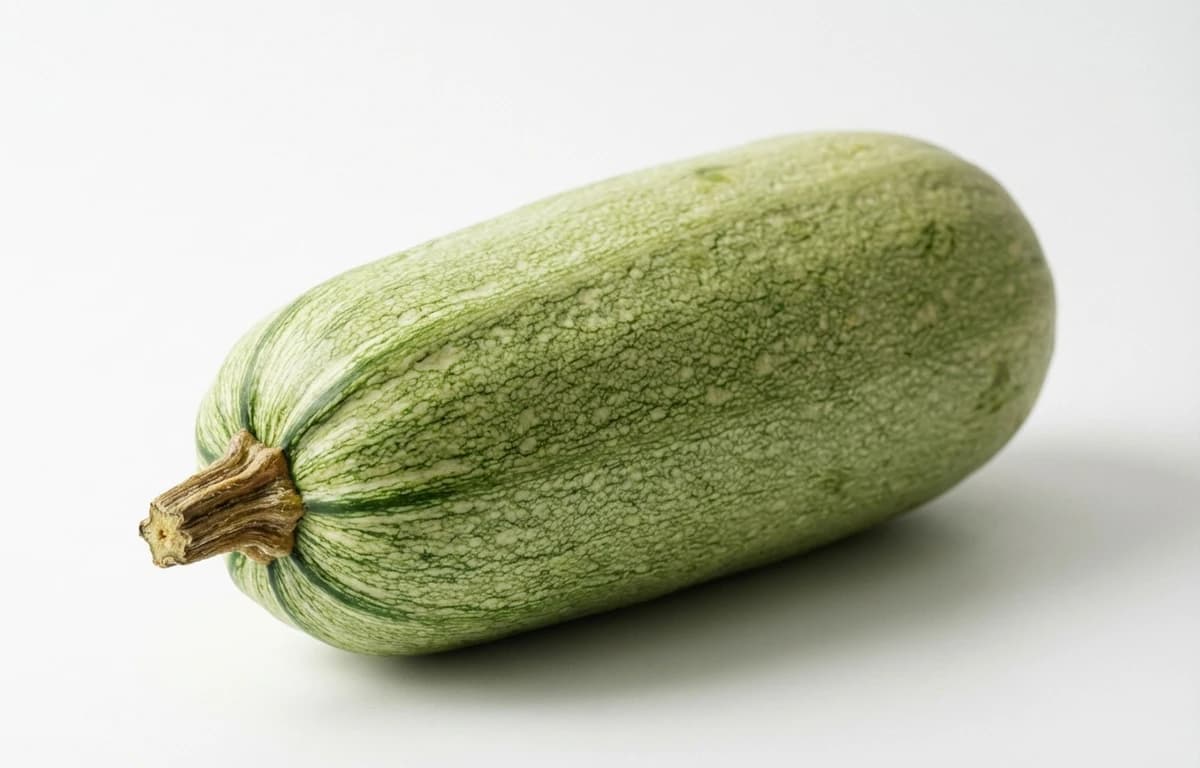
A marrow is essentially a zucchini that has been allowed to grow to full maturity. It is much larger, has a tougher skin, and more developed seeds.
Whole marrows can last 7-10 days in a cool pantry or the vegetable crisper drawer of a refrigerator.
Smaller, younger marrows have tender skin, but larger field marrows usually have a tough, bitter skin that should be peeled before cooking.
Yes, but it is best to blanch slices or cubes first. Note that the texture will become much softer upon thawing, making it better for soups.
Zucchini (courgette) is the best substitute. Chayote squash or yellow summer squash also work well in most recipes.
Look for one that feels heavy for its size and has a firm, unblemished skin. Avoid those with soft spots or shriveled ends.
While edible, the seeds in a large field marrow are often tough and fibrous. It is generally recommended to scoop them out before cooking.
The most popular method is 'Stuffed Marrow,' where the center is filled with meat or grains and baked. It can also be roasted, fried, or used in chutneys.
Yes, it is very low in calories and high in water, making it a high-volume, low-energy-density food perfect for weight management.
Field Marrow is a versatile ingredient found in cuisines around the world. With 17 calories per 100g and 1.2 grams of protein, it's a nutritious addition to many dishes.
Explore more ingredients in the vegetable category with complete nutrition information.
View all vegetable →Discover 1 recipes featuring field marrow with step-by-step instructions.
Browse recipes →Botanically it is a fruit (a berry), but in culinary contexts, it is always treated and classified as a vegetable.