Other2 recipes
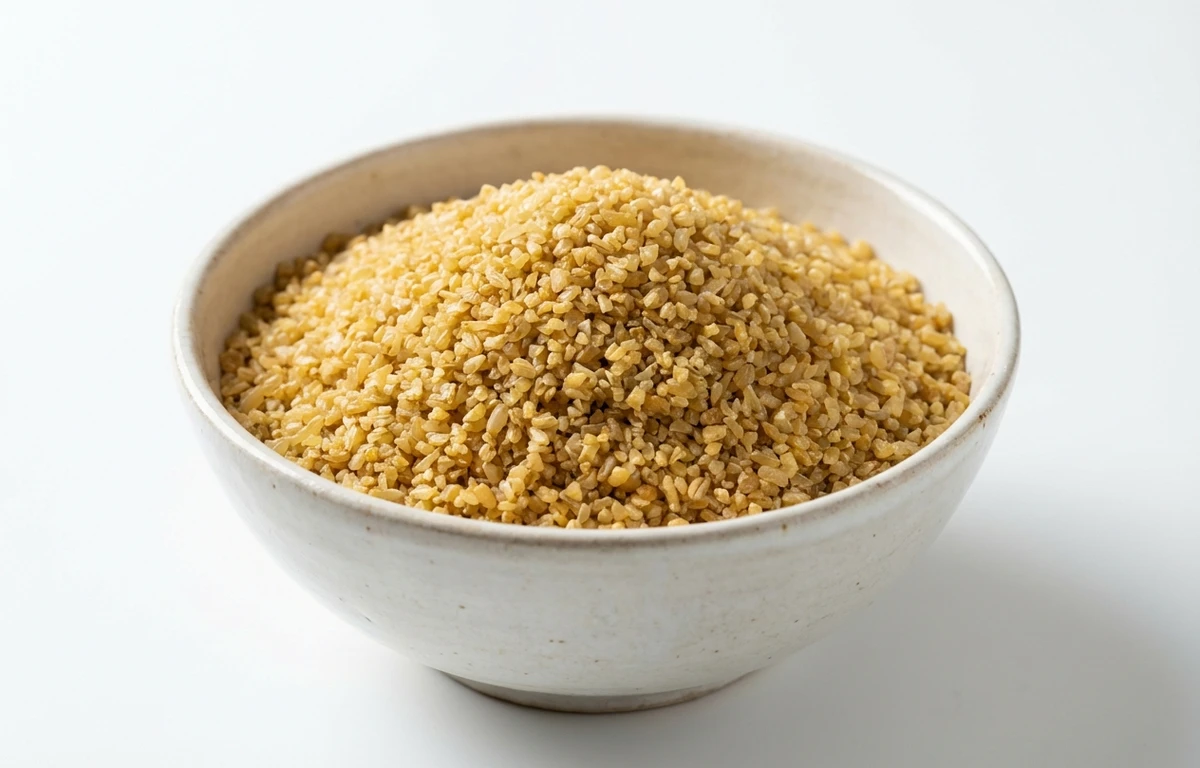
fine bulgur wheat.
VegetarianVeganGluten-freeDairy-freeNut-freePeanut-freeSoy-freeEgg-freeShellfish-freeHoney-freeAlcohol-freeWhole grain
ALSO KNOWN AS
fine bulgurfine burghulkısır bulgur
SERVING
CALORIES
342
PROTEIN
12.3g
CARBS
75.9g
FAT
1.3g
FIBER
12.5g
Per 100 g, it provides 1.9 µg of vitamin K.
NUTRITION PROFILE · per 100 g
Everything in this ingredient.
MACRONUTRIENTS
Calories342kcal—
Protein12.3g25%
Carbohydrates75.9g28%
Fiber12.5g45%
Sugar0.40g1%
Total fat1.3g2%
Saturated fat0.20g1%
Trans fat0g—
Cholesterol0mg0%
Water9.0g—
MINERALS
Sodium17mg1%
Potassium410mg9%
Calcium35mg3%
Iron2.5mg14%
Magnesium164mg39%
Phosphorus300mg24%
Zinc1.9mg17%
Copper0.30mg33%
Manganese3.0mg130%
Selenium2.3µg4%
VITAMINS
Vitamin A0µg0%
Vitamin C0mg0%
Vitamin D0µg0%
Vitamin E0.06mg0%
Vitamin K1.9µg2%
Thiamin (B1)0.23mg19%
Riboflavin (B2)0.12mg9%
Niacin (B3)5.1mg32%
Pantothenic acid (B5)1.0mg20%
Vitamin B60.34mg20%
Folate (B9)27µg7%
Vitamin B120µg0%
%DV based on a 2,000 cal diet. Source: USDA FoodData Central. A dash in the %DV column means there’s no established Daily Value for that nutrient.
MEASUREMENT CONVERSIONS
How much is what.
1 cup156g
1 tablespoon9.8g
1 teaspoon3.3g
1 ml0.7g
1 liter650g
HEALTH BENEFITS
Why eat it.
- ✓Rich in dietary fiber, which supports digestive health and promotes a feeling of fullness.
- ✓Provides plant-based protein and complex carbohydrates for sustained energy release.
COOKING TIPS
In the kitchen.
- 1Fine bulgur typically doesn't require cooking on a stovetop. Simply soak it in hot water or broth for 10-20 minutes until the liquid is absorbed and the grains are tender.
- 2Use a ratio of approximately 1 part fine bulgur to 1.5 parts liquid. Adjust liquid for desired texture.
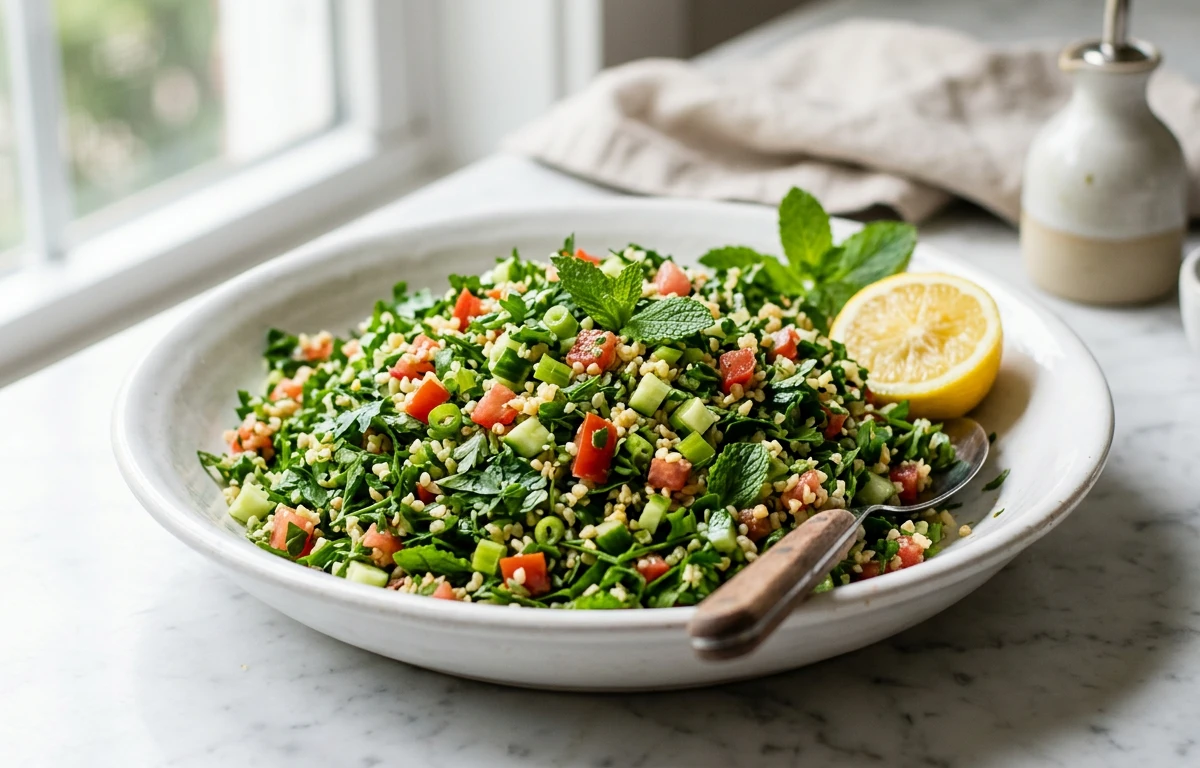
- 3It is the classic grain for salads like tabbouleh and can be used as a binder in meatballs or vegetarian patties like kibbeh.
- 4After soaking, fluff the bulgur with a fork to separate the grains before mixing with other ingredients.
STORAGE
Keep it fresh.
- Store in an airtight container in a cool, dark, and dry place, such as a pantry, for up to 12 months.
- For extended freshness, especially in warm climates, store in the refrigerator or freezer to protect the natural oils from going rancid.
FAQ
Frequently asked questions.
What are the main nutritional benefits of fine bulgur wheat?
Fine bulgur wheat is a good source of plant-based protein (12.3g per 100g) and complex carbohydrates (75.9g per 100g), providing sustained energy. It's particularly high in dietary fiber, which is crucial for digestive health, and offers essential minerals such as manganese, magnesium, and iron.
How do you cook fine bulgur wheat?
Fine bulgur wheat is very easy to cook and often requires no actual cooking. Simply combine one part fine bulgur with one part boiling water or broth, cover, and let it sit for 10-15 minutes until the liquid is absorbed and the bulgur is tender. Fluff with a fork before serving.
What does fine bulgur wheat taste like and what are its common uses?
Fine bulgur wheat has a mild, nutty flavor and a slightly chewy texture. It's a staple in Middle Eastern cuisine, famously used in dishes like tabbouleh salad, kibbeh, and as a base for pilafs or stuffings. It can also be added to soups or stews.
How should I store fine bulgur wheat?
Store fine bulgur wheat in an airtight container in a cool, dry, dark place, such as a pantry. When stored properly, it can last for up to 1-2 years. For longer storage, it can be kept in the refrigerator or freezer.
What is the difference between fine and coarse bulgur wheat?
The main difference lies in the grain size and cooking time. Fine bulgur wheat is very small and typically only needs to be soaked in hot water, making it ideal for salads like tabbouleh. Coarse bulgur has larger grains, requires simmering, and is often used in pilafs or as a rice substitute.
Is fine bulgur wheat keto-friendly?
No, fine bulgur wheat is not keto-friendly. It is a grain and is high in carbohydrates, with approximately 75.9g of carbs per 100g. This amount far exceeds the typical daily carbohydrate limits for a ketogenic diet.
RECIPES
Cook with fine bulgur wheat.
2 recipes · sorted by what’s quick