grain2 recipes
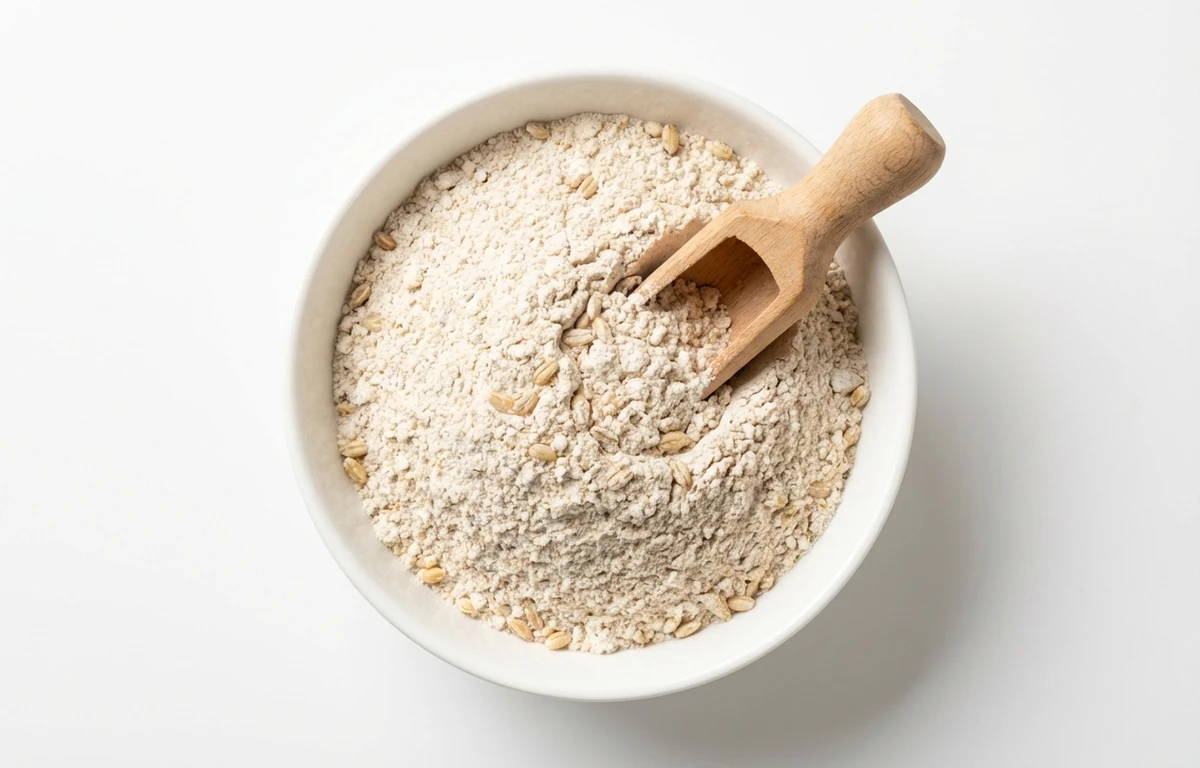
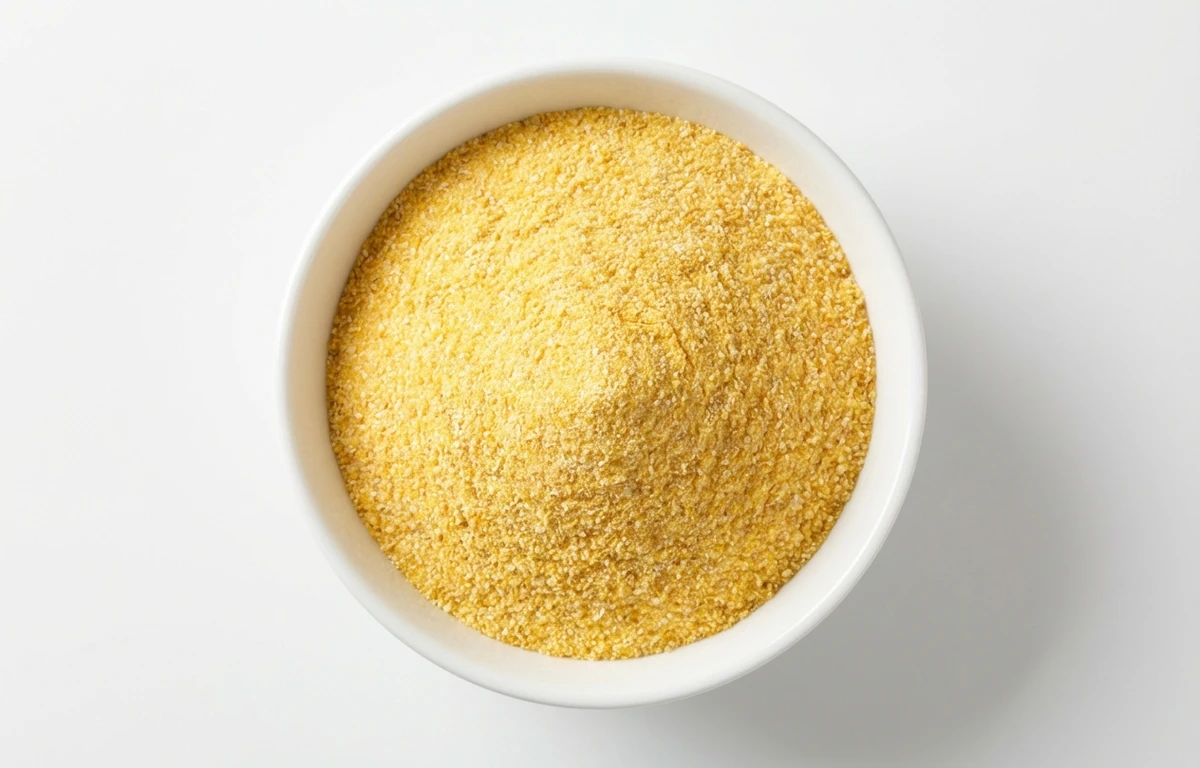
fine cornmeal.
VegetarianVeganGluten-freeDairy-freeNut-freePeanut-freeSoy-freeEgg-freeShellfish-freeHoney-freeAlcohol-free
SERVING
CALORIES
361
PROTEIN
7.2g
CARBS
77.7g
FAT
1.2g
FIBER
3.9g
NUTRITION PROFILE · per 100 g
Everything in this ingredient.
MACRONUTRIENTS
Calories361kcal—
Protein7.2g14%
Carbohydrates77.7g28%
Fiber3.9g14%
Sugar0.60g1%
Total fat1.2g2%
Saturated fat0.20g1%
Cholesterol0mg0%
Water10.5g—
MINERALS
Sodium1.0mg0%
Potassium130mg3%
Calcium10mg1%
Iron2.4mg13%
Magnesium30mg7%
Phosphorus100mg8%
Zinc0.60mg5%
Copper0.10mg11%
Manganese0.20mg9%
Selenium10µg18%
VITAMINS
Vitamin A10µg1%
Vitamin C0mg0%
Vitamin D0µg0%
Vitamin E0.20mg1%
Vitamin K0.30µg0%
Thiamin (B1)0.30mg25%
Riboflavin (B2)0.10mg8%
Niacin (B3)2.5mg16%
Pantothenic acid (B5)0.50mg10%
Vitamin B60.10mg6%
Folate (B9)100µg25%
Vitamin B120µg0%
%DV based on a 2,000 cal diet. Source: USDA FoodData Central. A dash in the %DV column means there’s no established Daily Value for that nutrient.
MEASUREMENT CONVERSIONS
How much is what.
1 cup0.6g
1 tablespoon9g
1 teaspoon27.1g
1 oz3.5g
1 lb0.2g
1 ml133.3g
1 liter0.1g
HEALTH BENEFITS
Why eat it.
- ✓Naturally gluten-free, suitable for celiac diets.
- ✓Good source of carbohydrates for energy.
- ✓Contains dietary fiber, aiding digestion.
- ✓Provides essential minerals like iron and magnesium.
- ✓Rich in B vitamins, important for metabolism.
COOKING TIPS
In the kitchen.
- 1Ideal for making smooth polenta or grits.
- 2Used in baking for cornbread, muffins, and other baked goods.
- 3Can be used as a light coating for frying foods to add crispiness.
STORAGE
Keep it fresh.
- Store in an airtight container in a cool, dry place.
- Keep away from direct sunlight and moisture to prevent spoilage.
- Can be stored in the refrigerator or freezer for extended shelf life.
FAQ
Frequently asked questions.
Is fine cornmeal healthy?
Yes, fine cornmeal can be a healthy part of a balanced diet. It's naturally gluten-free, making it suitable for those with celiac disease or gluten sensitivity. It provides a good source of carbohydrates for energy, dietary fiber for digestion, and essential minerals like iron and magnesium, along with B vitamins.
What are the main nutritional values of fine cornmeal?
Per 100g, fine cornmeal contains approximately 361 calories, 7.2g of protein, 77.7g of carbohydrates, and 1.2g of fat. It's primarily a source of energy-rich carbohydrates, with a modest amount of protein and very little fat.
Is fine cornmeal gluten-free?
Yes, fine cornmeal is naturally gluten-free, as it is made from corn, which does not contain gluten. This makes it an excellent grain alternative for individuals with celiac disease or gluten sensitivity.
Is fine cornmeal suitable for a low-carb or keto diet?
No, fine cornmeal is not suitable for low-carb or keto diets due to its high carbohydrate content. With approximately 77.7g of carbs per 100g, it would quickly exceed the daily carb limits for these dietary approaches.
Can people with diabetes eat fine cornmeal?
People with diabetes can consume fine cornmeal in moderation, but they should be mindful of its high carbohydrate content. It's important to monitor portion sizes and consider its impact on blood sugar levels, ideally as part of a meal with fiber and protein to help manage glycemic response.
What are common uses for fine cornmeal in cooking?
Fine cornmeal is versatile and commonly used to make baked goods like cornbread, muffins, and pancakes, providing a tender texture. It's also excellent for breading fried foods, thickening stews and chilis, or making polenta and grits with a smoother consistency.
How does fine cornmeal differ from corn flour or coarse cornmeal?
Fine cornmeal has a texture finer than coarse cornmeal but coarser than corn flour. Coarse cornmeal yields a grittier texture, while corn flour is very finely ground, almost powdery, and often used as a thickener. Fine cornmeal offers a balance, providing a slight texture without being overly gritty.
How should I store fine cornmeal to keep it fresh?
To keep fine cornmeal fresh, store it in an airtight container in a cool, dry, and dark place, such as a pantry. For extended freshness, especially in warmer climates, it can be stored in the refrigerator or freezer.
How long does fine cornmeal typically last?
When stored properly in a cool, dry place, fine cornmeal can last for about 6-12 months. If refrigerated or frozen, its shelf life can be extended even further, up to 1-2 years. Always check for any off-smells or discoloration before use.
Does fine cornmeal provide dietary fiber?
Yes, fine cornmeal contains dietary fiber, which is beneficial for digestive health. While not as high in fiber as whole grains, it contributes to your daily fiber intake, aiding in satiety and promoting regular bowel movements.
RECIPES
Cook with fine cornmeal.
2 recipes · sorted by what’s quick