Protein
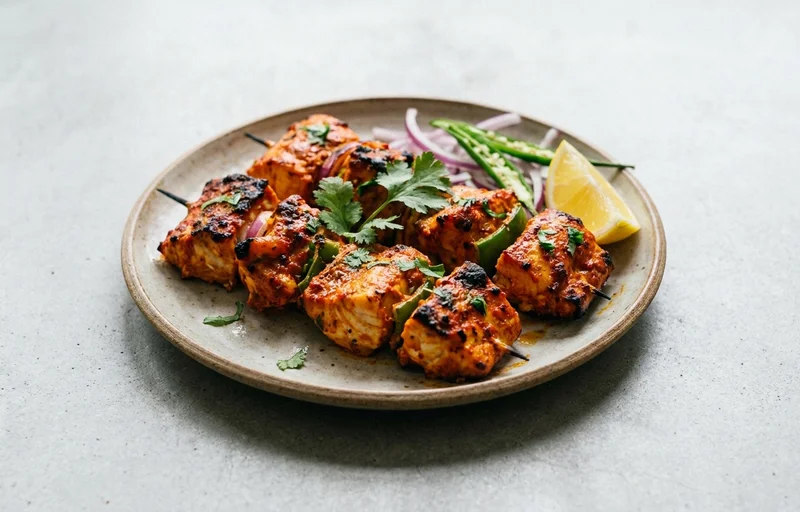
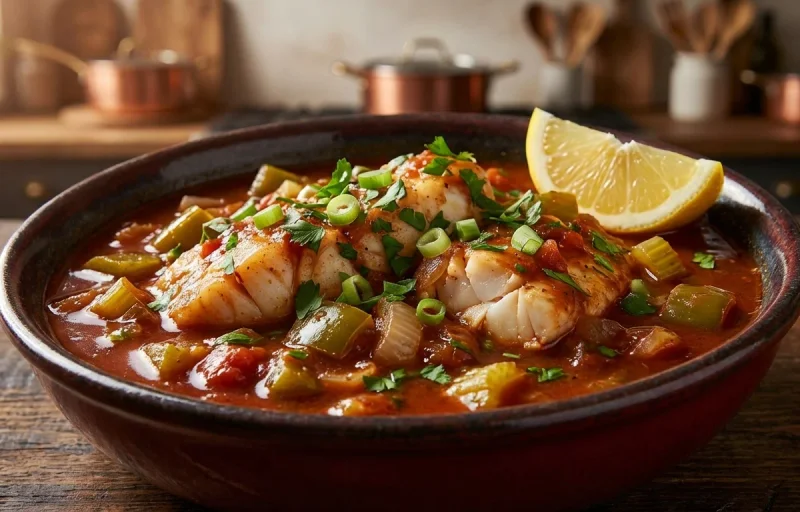
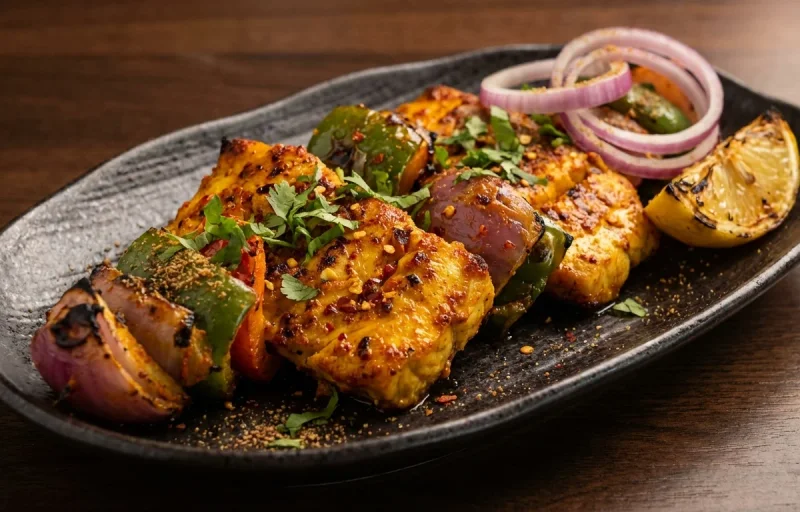
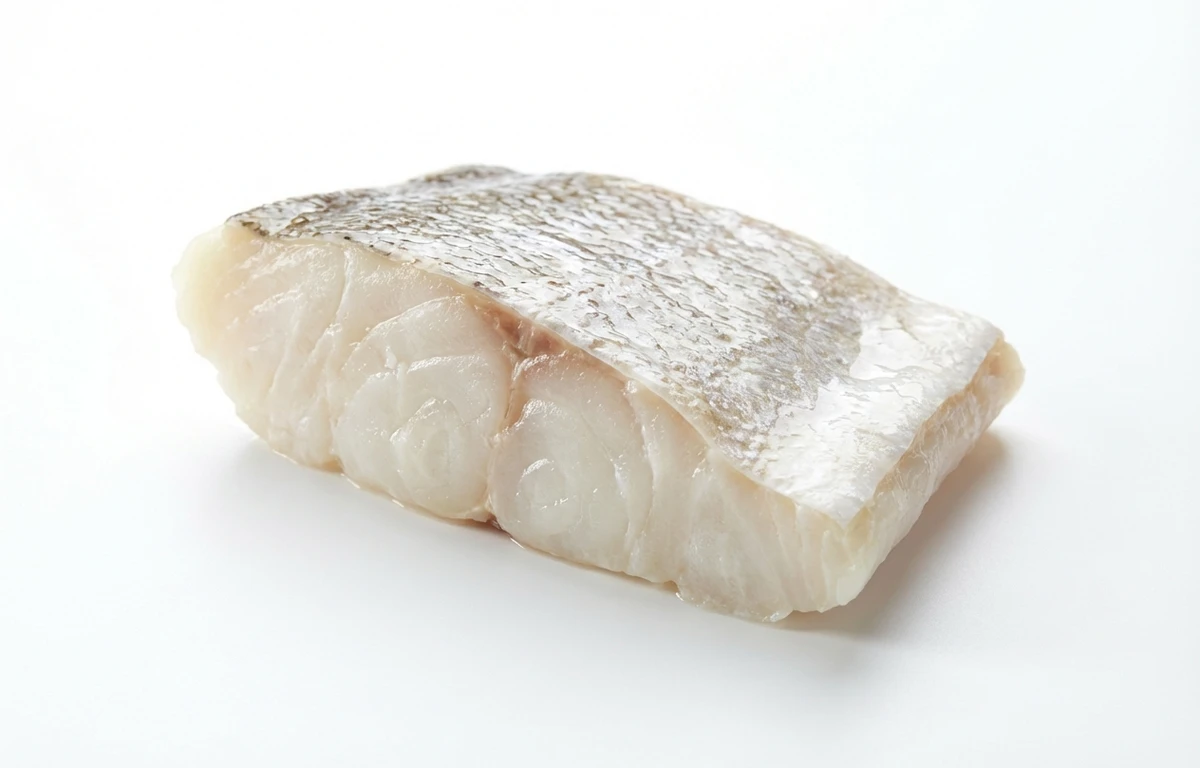
firm white fish.
VegetarianVeganGluten-freeDairy-freeNut-freePeanut-freeSoy-freeEgg-freeShellfish-freeHoney-freeAlcohol-free
ALSO KNOWN AS
whitefishwhite fish filletlean white fishlake whitefish
SERVING
CALORIES
90
PROTEIN
19g
CARBS
0g
FAT
1.0g
FIBER
0g
NUTRITION PROFILE · per 100 g
Everything in this ingredient.
MACRONUTRIENTS
Calories90kcal—
Protein19g38%
Carbohydrates0g0%
Fiber0g0%
Sugar0g0%
Total fat1.0g1%
Saturated fat0.20g1%
Trans fat0g—
Cholesterol45mg15%
Water78.5g—
MINERALS
Sodium70mg3%
Potassium350mg7%
Calcium15mg1%
Iron0.40mg2%
Magnesium30mg7%
Phosphorus200mg16%
Zinc0.40mg4%
Copper0.03mg3%
Manganese0.01mg0%
Selenium35µg64%
VITAMINS
Vitamin A10µg1%
Vitamin C0mg0%
Vitamin D1.0µg5%
Vitamin E0.50mg3%
Vitamin K0.10µg0%
Thiamin (B1)0.05mg4%
Riboflavin (B2)0.06mg5%
Niacin (B3)2.5mg16%
Pantothenic acid (B5)0.20mg4%
Vitamin B60.20mg12%
Folate (B9)5.0µg1%
Vitamin B121.2µg50%
%DV based on a 2,000 cal diet. Source: USDA FoodData Central. A dash in the %DV column means there’s no established Daily Value for that nutrient.
MEASUREMENT CONVERSIONS
How much is what.
1 oz28.4g
1 lb453.6g
1 piece170g
HEALTH BENEFITS
Why eat it.
- ✓Excellent source of high-quality lean protein
- ✓Rich in Vitamin B12 for nerve health and red blood cell formation
- ✓Contains selenium, a powerful antioxidant that supports thyroid function
- ✓Low in calories and saturated fat, making it heart-healthy
- ✓Provides phosphorus for strong bones and teeth
COOKING TIPS
In the kitchen.
- 1Pat the fish completely dry with paper towels before cooking to ensure a good sear
- 2Cook until the internal temperature reaches 145°F (63°C) or until the flesh is opaque and flakes easily
- 3Avoid overcooking as lean white fish can become dry and rubbery very quickly
STORAGE
Keep it fresh.
- Store in the coldest part of the refrigerator for no more than 1-2 days
- Keep tightly wrapped in plastic or in an airtight container to prevent drying
- For long-term storage, freeze in vacuum-sealed bags for up to 6 months
FAQ
Frequently asked questions.
How can I tell if white fish is fresh?
Fresh white fish should have a mild, sea-like scent, not a 'fishy' or ammonia smell. The flesh should be firm, moist, and spring back when pressed.
What are common types of firm white fish?
Common varieties include cod, halibut, snapper, grouper, mahi-mahi, and haddock.
Can I cook white fish from frozen?
Yes, you can bake or poach white fish from frozen, though it may take about 50% longer to cook. For pan-searing, it is best to thaw it first.
What is the best way to thaw frozen fish?
The safest way is to thaw it overnight in the refrigerator. For faster thawing, place the sealed fish in a bowl of cold water.
Is white fish high in mercury?
Most firm white fish like cod and haddock are low in mercury. However, larger species like grouper or certain types of snapper may have moderate levels.
What are good substitutes for firm white fish?
Depending on the recipe, you can substitute one firm white fish for another (e.g., halibut for cod) or use tilapia or catfish for a similar texture.
How do I prevent fish from sticking to the pan?
Ensure the pan and oil are hot before adding the fish, and do not try to flip the fish until it has naturally released from the surface.
Is white fish suitable for a keto diet?
Yes, it is excellent for keto as it contains zero carbohydrates and is high in protein, though you may need to add healthy fats like butter or olive oil.
RECIPES
Cook with firm white fish.
0 recipes · sorted by what’s quick