
Loading...
Also known as:
Per 100g
Nutrition data source: USDA FoodData Central
Common measurement equivalents in grams
Yes, firm white fish is an excellent source of lean protein, providing about 17.8g per 100g serving. It is very low in fat and calories, and rich in essential nutrients like Vitamin B12, selenium, and phosphorus which support nerve function and bone health.
A 100g serving of firm white fish contains approximately 82 calories and 17.8g of protein. With 0g of carbohydrates and only 0.6g of fat, it is one of the leanest animal protein sources available.
White fish is ideal for weight loss because it is high in protein, which promotes satiety, while remaining very low in calories. Its low fat content allows you to consume a high volume of food for relatively few calories.
Plain white fish fillets are naturally gluten-free and contain zero carbohydrates, making them perfect for ketogenic and low-carb diets. Be mindful of added breading or flour-based sauces which can add carbs and gluten.
Yes, white fish is a great choice for diabetics as it has a glycemic index of zero and won't cause blood sugar spikes. Its high protein content can also help slow the absorption of other carbohydrates eaten during the meal.
Because the flesh is firm, these fillets are versatile and can be grilled, pan-seared, baked, or poached without falling apart. They are particularly popular for fish tacos, stews, and fish and chips.
Most firm white fish, such as cod or halibut, have a mild, slightly sweet flavor that is not overly 'fishy.' This neutral profile makes them an excellent canvas for various seasonings, citrus, and herbs.
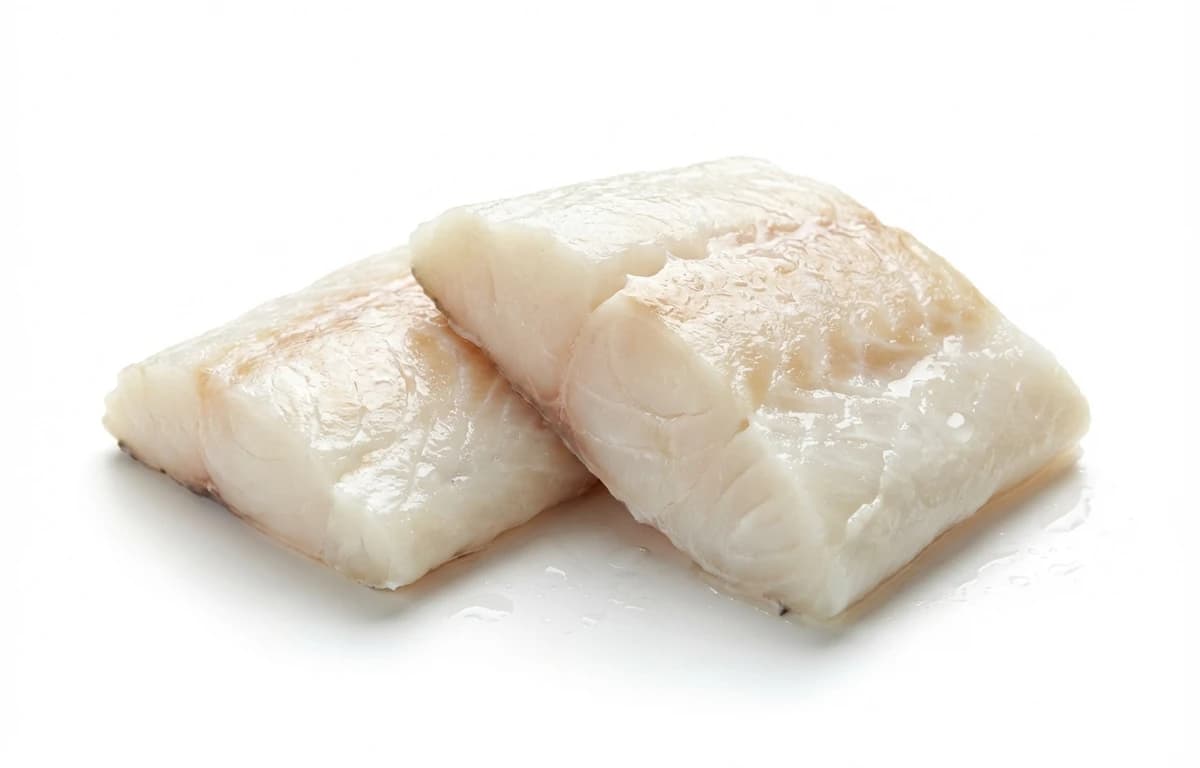
Firm White Fish Fillets is a versatile ingredient found in cuisines around the world. With 82 calories per 100g and 17.8 grams of protein, it's a nutritious addition to many dishes.
Explore more ingredients in the seafood category with complete nutrition information.
View all seafood →Discover 2 recipes featuring firm white fish fillets with step-by-step instructions.
Browse recipes →Explore more ingredients similar to Firm White Fish Fillets.
The most-searched ingredients on CraftMyMeals.
Fresh fillets should be stored in the coldest part of the refrigerator and used within 1 to 2 days. For longer storage, wrap them tightly and freeze them; they will maintain best quality for up to 6 months.
Fresh white fish should have a mild, ocean-like scent and firm, translucent flesh. If the fish has a strong ammonia smell, feels slimy to the touch, or looks dull and yellowish, it has likely spoiled and should be discarded.
Yes, you can cook them from frozen by baking, steaming, or poaching, though it will take about 50% longer than fresh fillets. For the best texture and even cooking, it is usually recommended to thaw them overnight in the refrigerator.