
Oil
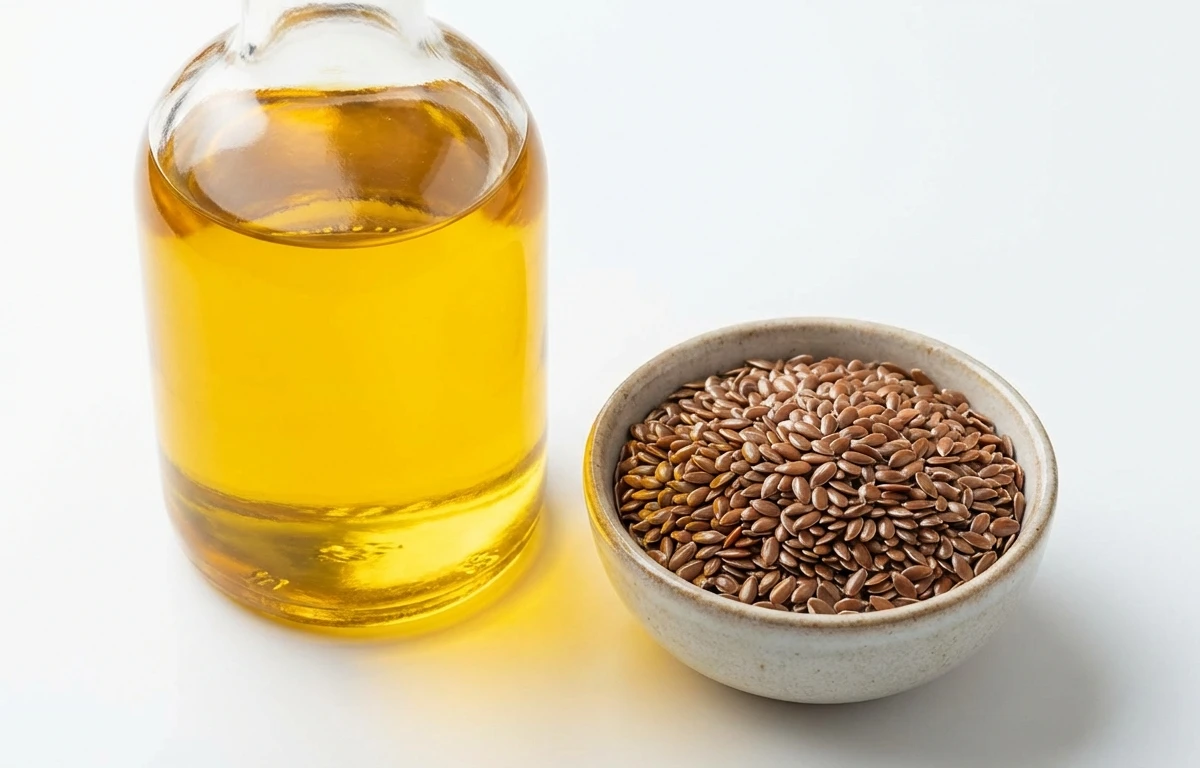
flaxseed oil with flaxseed.
VegetarianVeganGluten-freeDairy-freeNut-freePeanut-freeSoy-freeEgg-freeShellfish-freeHoney-freeAlcohol-free
SERVING
CALORIES
850
PROTEIN
3.5g
CARBS
5.2g
FAT
92g
FIBER
4.8g
NUTRITION PROFILE · per 100 g
Everything in this ingredient.
MACRONUTRIENTS
Calories850kcal—
Protein3.5g7%
Carbohydrates5.2g2%
Fiber4.8g17%
Sugar0.20g0%
Total fat92g118%
Saturated fat9.0g45%
Trans fat0g—
Cholesterol0mg0%
Water0.50g—
MINERALS
Sodium5.0mg0%
Potassium150mg3%
Calcium45mg3%
Iron1.2mg7%
Magnesium70mg17%
Phosphorus110mg9%
Zinc0.80mg7%
Copper0.20mg22%
Manganese0.40mg17%
Selenium4.5µg8%
VITAMINS
Vitamin A0µg0%
Vitamin C0mg0%
Vitamin D0µg0%
Vitamin E15.5mg103%
Vitamin K9.3µg8%
Thiamin (B1)0.30mg25%
Riboflavin (B2)0.05mg4%
Niacin (B3)0.60mg4%
Pantothenic acid (B5)0.20mg4%
Vitamin B60.10mg6%
Folate (B9)18µg5%
Vitamin B120µg0%
%DV based on a 2,000 cal diet. Source: USDA FoodData Central. A dash in the %DV column means there’s no established Daily Value for that nutrient.
MEASUREMENT CONVERSIONS
How much is what.
1 cup220g
1 tablespoon14g
1 teaspoon4.7g
1 ml0.9g
1 liter933.3g
HEALTH BENEFITS
Why eat it.
- ✓Excellent source of alpha-linolenic acid (ALA), a plant-based omega-3 fatty acid crucial for heart and brain health.
- ✓Rich in lignans from the included flaxseeds, which are powerful antioxidants that may help reduce the risk of certain cancers.
- ✓Supports digestive health due to the fiber content from the whole or ground flaxseeds, promoting regular bowel movements.
- ✓May help reduce inflammation throughout the body due to its high omega-3 content.
COOKING TIPS
In the kitchen.
- 1Never use for cooking or frying. Flaxseed oil has a very low smoke point and heat will destroy its nutritional benefits and create harmful compounds.
- 2Use as a finishing oil by drizzling it over salads, steamed vegetables, yogurt, oatmeal, or cottage cheese.
- 3Blend into smoothies or shakes to add a boost of omega-3s and fiber without affecting the taste significantly.
- 4Incorporate into cold sauces, dips, and dressings like vinaigrettes or pesto for a nutritional enhancement.
STORAGE
Keep it fresh.
- Refrigerate immediately after opening to prevent the delicate omega-3 fats from oxidizing and becoming rancid.
- Store in its original dark, opaque bottle to protect it from light, and consume within 6-8 weeks of opening for optimal freshness and nutritional value.
FAQ
Frequently asked questions.
Is flaxseed oil with flaxseed healthy?
Yes, flaxseed oil with flaxseed is highly beneficial. It's an excellent source of alpha-linolenic acid (ALA), a plant-based omega-3 fatty acid vital for heart and brain health. The added flaxseeds provide lignans, powerful antioxidants, and dietary fiber, which supports digestive health.
What are the key nutritional components of flaxseed oil with flaxseed?
Per 100g, it contains approximately 850 calories and 92g of fat, primarily healthy unsaturated fats. It also offers about 3.5g of protein and 5.2g of carbohydrates, largely from the fiber in the flaxseeds. Its main benefits come from its high omega-3 (ALA) content, lignans, and dietary fiber.
Can flaxseed oil with flaxseed aid in weight loss?
While flaxseed oil with flaxseed is calorie-dense, its fiber content from the flaxseeds can promote satiety, potentially helping with appetite control. The healthy fats and fiber can support overall metabolic health, but portion control is crucial due to its high caloric value.
Is flaxseed oil with flaxseed suitable for a vegan diet?
Yes, flaxseed oil with flaxseed is entirely plant-based and suitable for a vegan diet. It is derived solely from flaxseeds and contains no animal products.
Is flaxseed oil with flaxseed gluten-free and keto-friendly?
Yes, flaxseed oil with flaxseed is naturally gluten-free. It can also be keto-friendly due to its high fat content and relatively low net carbs (fiber is a carb but not digested). However, always check specific product labels for any added ingredients.
How should I incorporate flaxseed oil with flaxseed into my diet?
It's best used in cold applications to preserve its delicate omega-3s. Drizzle it over salads, mix into smoothies, yogurt, oatmeal, or use it in salad dressings. The added flaxseeds provide a pleasant texture and extra fiber.
Can I use flaxseed oil with flaxseed for cooking or high-heat applications?
No, flaxseed oil has a very low smoke point and is not suitable for high-heat cooking like frying or baking. High temperatures can degrade its beneficial omega-3 fatty acids and create harmful compounds. It should only be used in cold or low-heat preparations.
How should flaxseed oil with flaxseed be stored to maintain freshness?
Due to its delicate nature and high omega-3 content, it should be stored in a cool, dark place, preferably refrigerated, in an opaque bottle. This helps prevent oxidation and rancidity, extending its shelf life.
How can I tell if flaxseed oil with flaxseed has gone bad?
Rancid flaxseed oil will develop a strong, bitter, or fishy odor and taste, distinct from its usual mild, nutty flavor. If you notice any off-smell or taste, it's best to discard it, as consuming rancid oils can be harmful.
What is the difference between flaxseed oil and flaxseed oil with flaxseed?
Flaxseed oil is typically just the oil extracted from the seeds. 'Flaxseed oil with flaxseed' means the product contains both the oil and ground or whole flaxseeds. This inclusion adds dietary fiber and a higher concentration of lignans, which are beneficial plant compounds found in the whole seed.



















