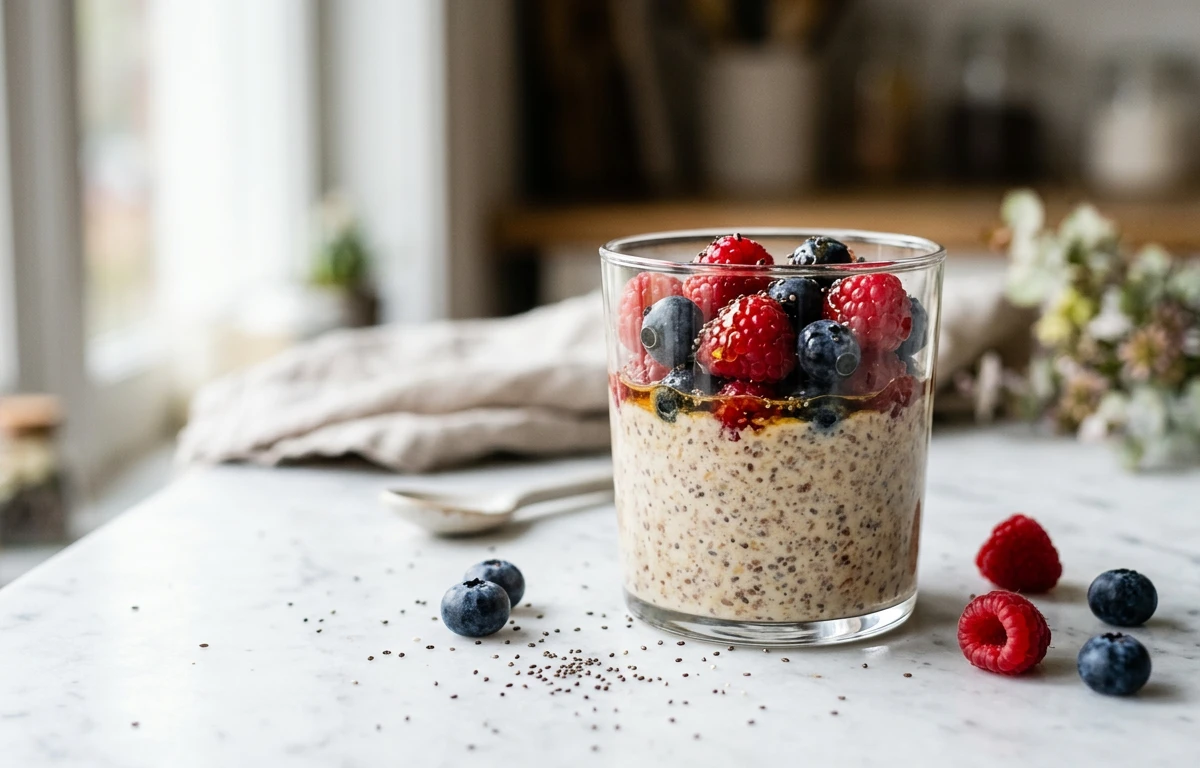
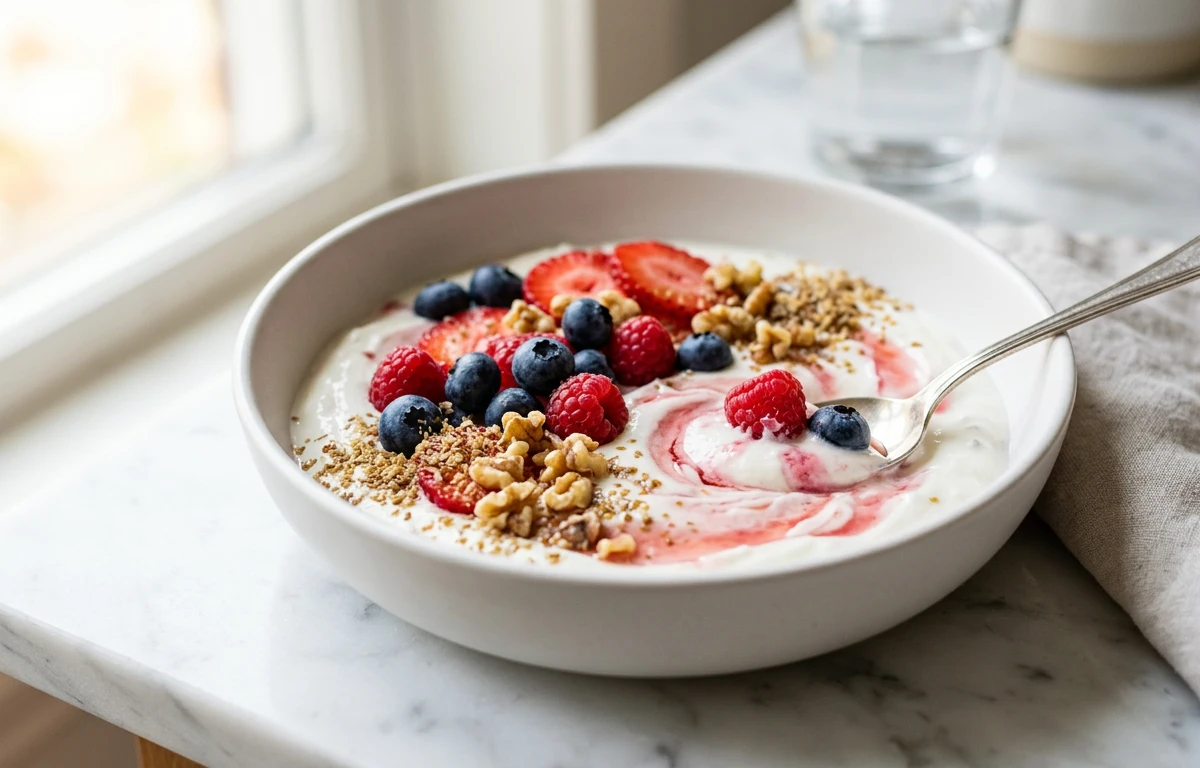
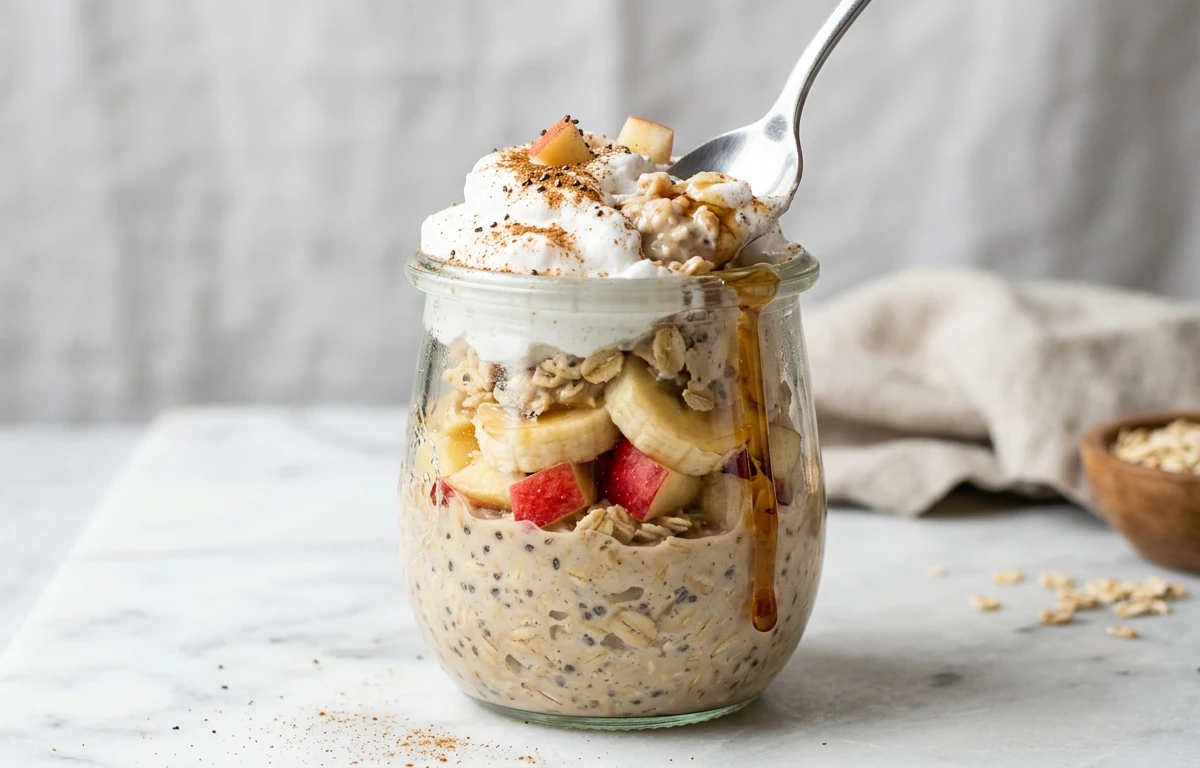
Other10 recipes
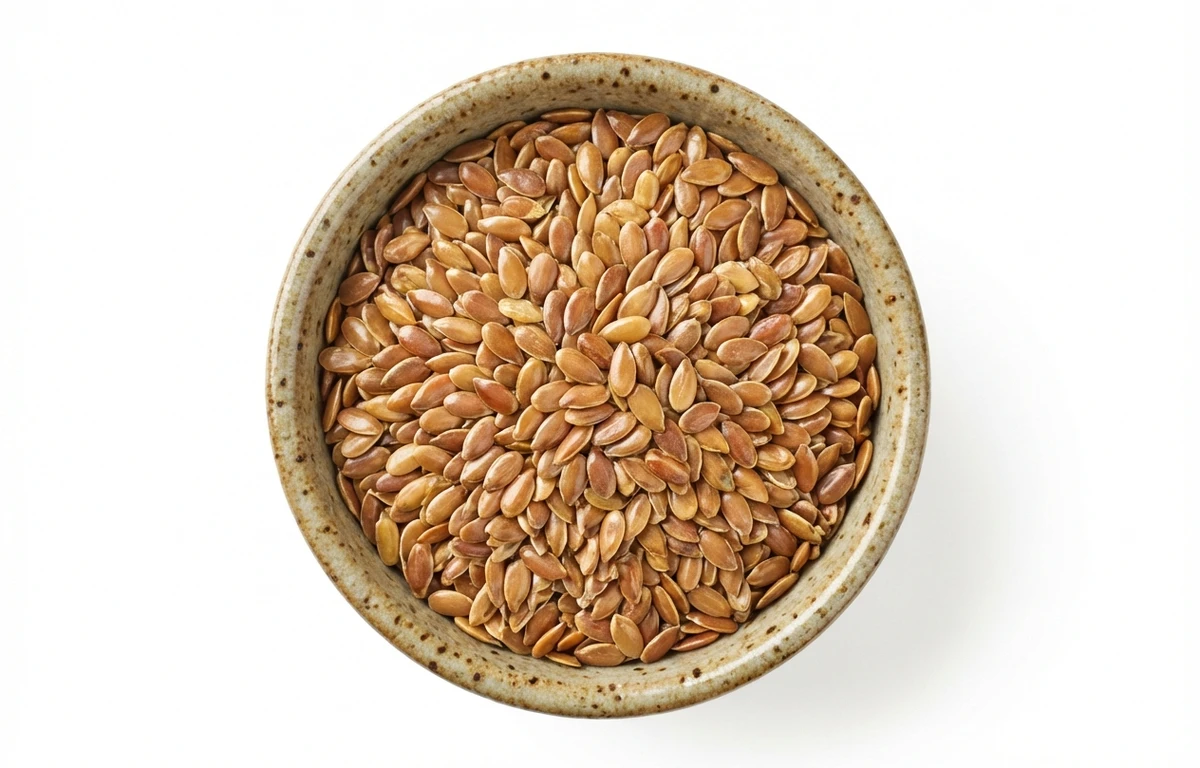
flaxseeds.
VegetarianVeganGluten-freeDairy-freeNut-freePeanut-freeSoy-freeEgg-freeShellfish-freeHoney-freeAlcohol-free
ALSO KNOWN AS
linseedalsijawastishiaksebijacommon flaxflaxseedtisilinseedsalshi
SERVING
CALORIES
534
PROTEIN
18.3g
CARBS
28.9g
FAT
42.2g
FIBER
27.3g
NUTRITION PROFILE · per 100 g
Everything in this ingredient.
MACRONUTRIENTS
Calories534kcal—
Protein18.3g37%
Carbohydrates28.9g11%
Fiber27.3g98%
Sugar1.6g3%
Total fat42.2g54%
Saturated fat3.7g19%
Trans fat0g—
Cholesterol0mg0%
Water7.0g—
MINERALS
Sodium30mg1%
Potassium813mg17%
Calcium255mg20%
Iron5.7mg32%
Magnesium392mg93%
Phosphorus642mg51%
Zinc4.3mg39%
Copper1.2mg133%
Manganese2.5mg109%
Selenium25.4µg46%
VITAMINS
Vitamin A0µg0%
Vitamin C0.60mg1%
Vitamin D0µg0%
Vitamin E0.30mg2%
Vitamin K4.3µg4%
Thiamin (B1)1.6mg133%
Riboflavin (B2)0.20mg15%
Niacin (B3)3.1mg19%
Pantothenic acid (B5)1.0mg20%
Vitamin B60.50mg29%
Folate (B9)87µg22%
Vitamin B120µg0%
%DV based on a 2,000 cal diet. Source: USDA FoodData Central. A dash in the %DV column means there’s no established Daily Value for that nutrient.
MEASUREMENT CONVERSIONS
How much is what.
1 cup168g
1 tablespoon10.5g
1 teaspoon3.5g
1 oz28.4g
1 lb453.6g
1 ml1.4g
1 liter700g
HEALTH BENEFITS
Why eat it.
- ✓Excellent source of Omega-3 fatty acids (ALA) for heart health
- ✓High dietary fiber content aids in digestion and regularity
- ✓Contains lignans which have powerful antioxidant properties
- ✓May help lower blood pressure and cholesterol levels
- ✓Supports blood sugar stability due to high fiber and healthy fats
COOKING TIPS
In the kitchen.
- 1Grind seeds just before use to maximize nutrient absorption
- 2Use a 'flax egg' (1 tbsp ground flax + 3 tbsp water) as a vegan binder in baking
- 3Add ground flaxseeds to smoothies, oatmeal, or yogurt for a nutritional boost
STORAGE
Keep it fresh.
- Store whole flaxseeds in a cool, dark pantry for up to 12 months
- Keep ground flaxseeds in an airtight container in the refrigerator or freezer
- Avoid exposure to heat, light, and air to prevent the oils from turning rancid
FAQ
Frequently asked questions.
How long do flaxseeds last?
Whole flaxseeds last about a year at room temperature. Ground flaxseeds go rancid quickly and should be used within a week if kept at room temperature, or 2-3 months if refrigerated.
Can flaxseeds be frozen?
Yes, freezing is the best way to extend the shelf life of ground flaxseeds, keeping them fresh for up to 6 months.
How do I pick quality flaxseeds?
Look for seeds that are shiny, uniform in color, and free from debris. They should have a mild, nutty aroma; a bitter or paint-like smell indicates they are rancid.
What is the best substitute for flaxseeds?
Chia seeds are the best substitute as they have a similar nutritional profile and gelling property. Hemp seeds or ground sunflower seeds can also work in some recipes.
How should I prepare flaxseeds for eating?
It is best to grind them in a coffee or spice grinder. Whole flaxseeds often pass through the digestive system undigested, meaning you won't absorb the healthy fats.
Are flaxseeds good for weight loss?
Yes, their high fiber and protein content help you feel full longer, which can reduce overall calorie intake.
What is the difference between brown and golden flaxseeds?
Nutritionally they are almost identical. Brown flaxseeds have a slightly bolder, nuttier flavor, while golden flaxseeds are milder and blend more easily into light-colored baked goods.
How much flaxseed should I eat daily?
Most nutritionists recommend 1 to 2 tablespoons of ground flaxseed per day to reap the health benefits without excessive fiber intake.
RECIPES
Cook with flaxseeds.
10 recipes · sorted by what’s quick