herb10 recipes
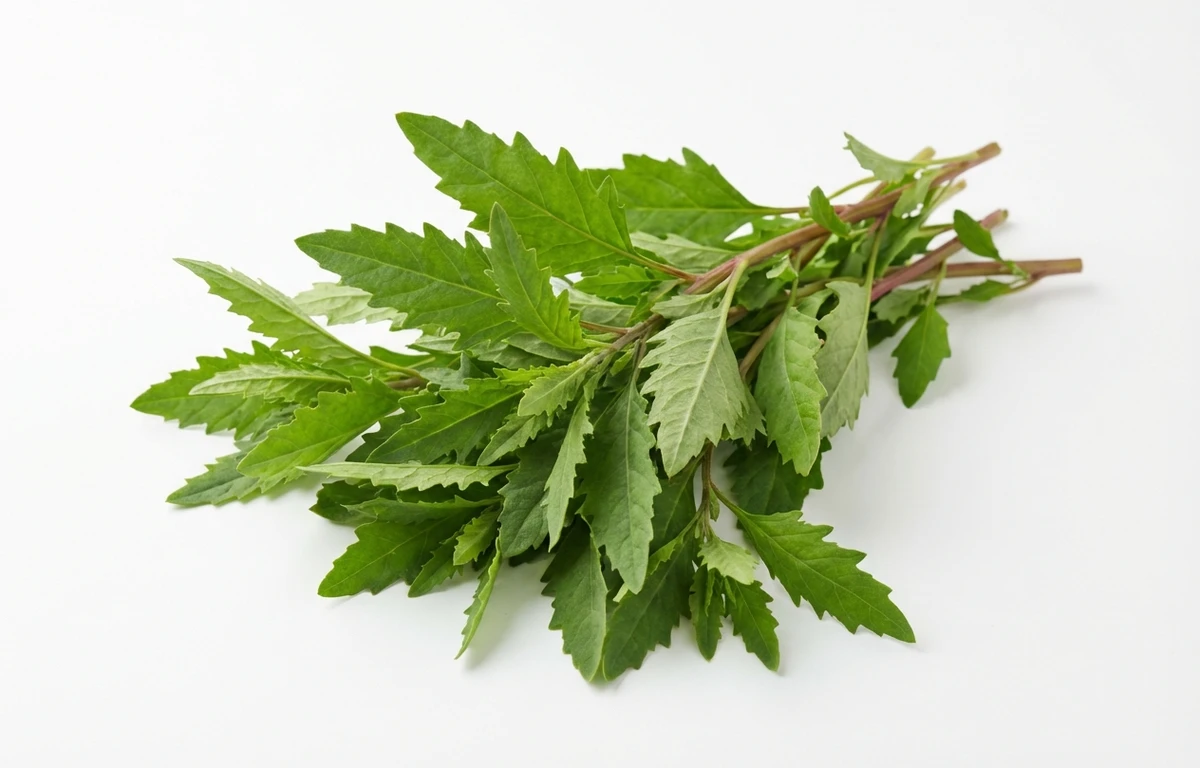
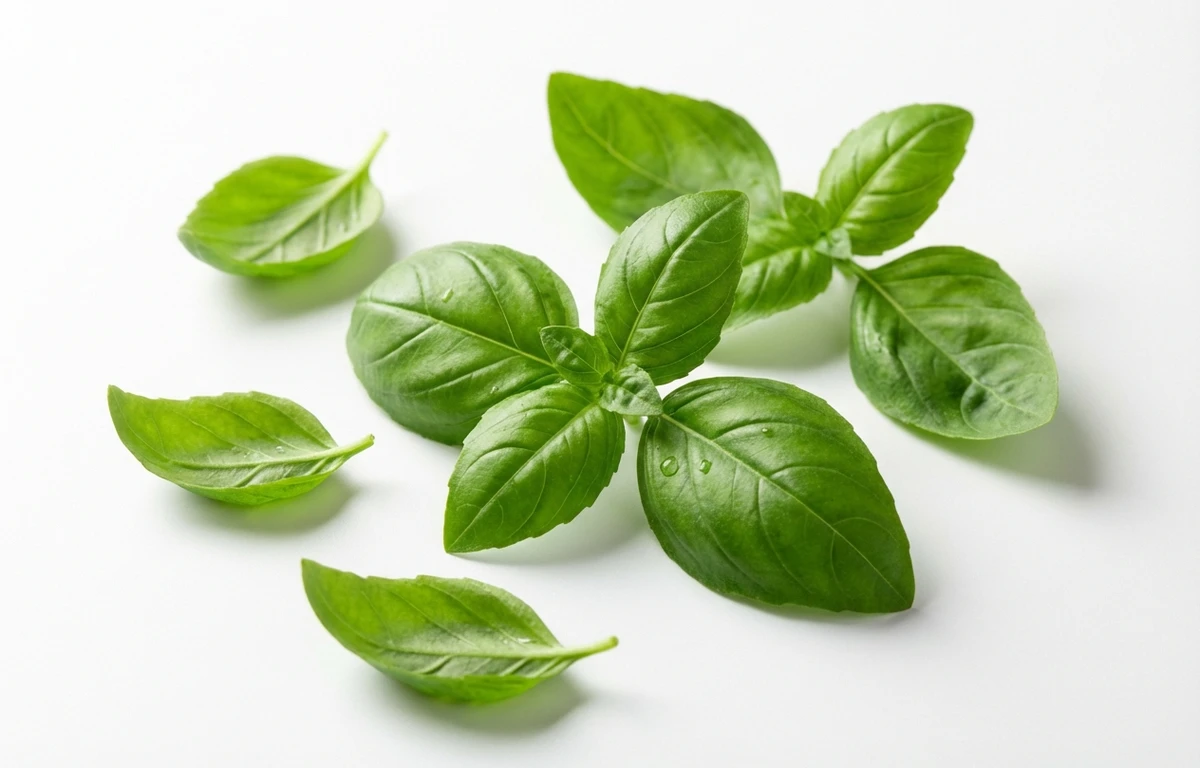
Fresh Basil Leaves.
VegetarianVeganGluten-freeDairy-freeNut-freePeanut-freeSoy-freeEgg-freeShellfish-freeHoney-freeAlcohol-free
ALSO KNOWN AS
sweet basilGenovese basil
SERVING
CALORIES
29
PROTEIN
3.1g
CARBS
2.6g
FAT
0.64g
FIBER
1.6g
NUTRITION PROFILE · per 100 g
Everything in this ingredient.
MACRONUTRIENTS
Calories29kcal—
Protein3.1g6%
Carbohydrates2.6g1%
Fiber1.6g6%
Sugar0.30g1%
Total fat0.64g1%
Saturated fat0.04g0%
Trans fat0g—
Cholesterol0mg0%
Water92.2g—
MINERALS
Sodium4.0mg0%
Potassium295mg6%
Calcium177mg14%
Iron3.2mg18%
Magnesium64mg15%
Phosphorus56mg4%
Zinc0.81mg7%
Copper0.39mg43%
Manganese1.1mg50%
Selenium0.30µg1%
VITAMINS
Vitamin A264µg29%
Vitamin C18mg20%
Vitamin D0µg0%
Vitamin E0.80mg5%
Vitamin K415µg346%
Thiamin (B1)0.03mg3%
Riboflavin (B2)0.08mg6%
Niacin (B3)0.39mg2%
Pantothenic acid (B5)0.21mg4%
Vitamin B60.16mg9%
Folate (B9)68µg17%
Vitamin B120µg0%
%DV based on a 2,000 cal diet. Source: USDA FoodData Central. A dash in the %DV column means there’s no established Daily Value for that nutrient.
MEASUREMENT CONVERSIONS
How much is what.
1 cup4g
1 tablespoon1.5g
1 teaspoon0.5g
1 oz28.4g
1 lb453.6g
1 ml0.1g
1 piece0.5g
HEALTH BENEFITS
Why eat it.
- ✓Rich in antioxidants like orientin and viceninare
- ✓Contains anti-inflammatory essential oils like eugenol
- ✓High Vitamin K content supports bone health and blood clotting
- ✓Possesses antibacterial properties that inhibit harmful bacteria growth
- ✓May help reduce oxidative stress and support heart health
COOKING TIPS
In the kitchen.
- 1Add fresh basil at the very end of cooking to preserve its delicate aroma and flavor
- 2Tear leaves by hand instead of chopping with a knife to prevent the edges from bruising and turning black
- 3Pair with acidic ingredients like tomatoes, balsamic vinegar, or lemon to balance its sweetness
STORAGE
Keep it fresh.
- Store at room temperature in a jar of water like fresh flowers
- If refrigerating, wrap loosely in a damp paper towel and place in a plastic bag
- Avoid washing until right before use to prevent premature wilting and browning
FAQ
Frequently asked questions.
How long does fresh basil last?
Fresh basil typically lasts 4 to 5 days if stored at room temperature in water, or about 3 to 4 days in the refrigerator.
Can fresh basil be frozen?
Yes, it is best frozen by blanching the leaves quickly, then blending them with a little oil and freezing the mixture in ice cube trays.
Why does basil turn black when chopped?
Basil contains enzymes that cause rapid oxidation when the leaves are bruised or cut, turning the edges black. Tearing or using a very sharp ceramic knife can help.
What is the best substitute for fresh basil?
Fresh oregano or parsley can work for garnish, while spinach mixed with a little dried basil can substitute for bulk in recipes like pesto.
How do I pick the best fresh basil?
Look for vibrant, deep green leaves without any black spots, yellowing, or signs of wilting. The stems should be firm.
Is fresh basil the same as Tulsi?
No, culinary basil (Sweet/Genovese) is different from Tulsi (Holy Basil), which has a more peppery, medicinal flavor and is used differently in cooking and rituals.
How should I clean fresh basil?
Gently rinse the leaves in a bowl of cool water and pat them completely dry with a paper towel or use a salad spinner.
What are the main nutrients in basil?
Basil is exceptionally high in Vitamin K and is a good source of Vitamin A, manganese, and magnesium relative to its weight.
RECIPES
Cook with fresh basil leaves.
10 recipes · sorted by what’s quick