Other10 recipes
fresh sage.
VegetarianVeganGluten-freeDairy-freeNut-freePeanut-freeSoy-freeEgg-freeShellfish-freeHoney-freeAlcohol-free
ALSO KNOWN AS
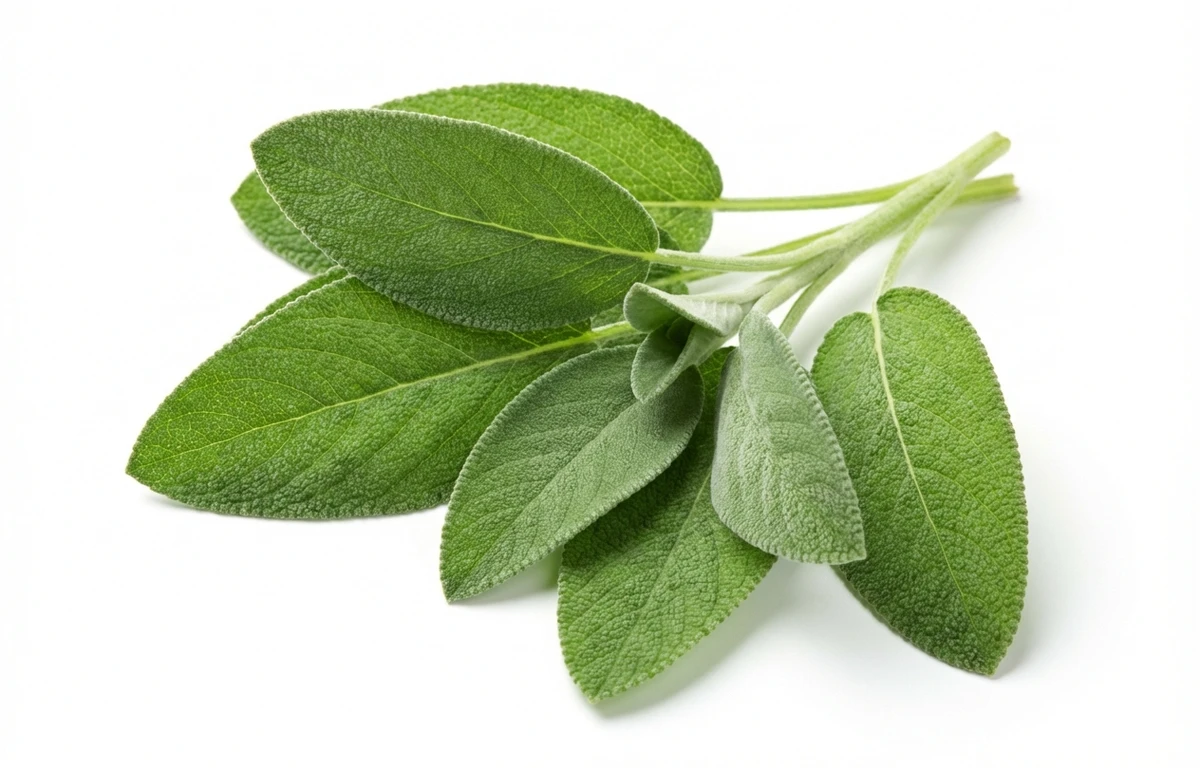
common sagegarden sageculinary sagefresh sagesalvia officinalisfresh dalmatian sagefresh sage leaves
SERVING
CALORIES
35
PROTEIN
1.3g
CARBS
6.0g
FAT
0.70g
FIBER
4.0g
NUTRITION PROFILE · per 100 g
Everything in this ingredient.
MACRONUTRIENTS
Calories35kcal—
Protein1.3g3%
Carbohydrates6.0g2%
Fiber4.0g14%
Sugar0.10g0%
Total fat0.70g1%
Saturated fat0.30g2%
Trans fat0g—
Cholesterol0mg0%
Water80g—
MINERALS
Sodium11mg0%
Potassium430mg9%
Calcium165mg13%
Iron2.8mg16%
Magnesium69mg16%
Phosphorus40mg3%
Zinc0.50mg5%
Copper0.10mg11%
Manganese0.90mg39%
Selenium0.10µg0%
VITAMINS
Vitamin A295µg33%
Vitamin C32mg36%
Vitamin D0µg0%
Vitamin E0.70mg5%
Vitamin K1714µg1428%
Thiamin (B1)0.07mg6%
Riboflavin (B2)0.10mg8%
Niacin (B3)0.90mg6%
Pantothenic acid (B5)0.30mg6%
Vitamin B60.20mg12%
Folate (B9)27µg7%
Vitamin B120µg0%
%DV based on a 2,000 cal diet. Source: USDA FoodData Central. A dash in the %DV column means there’s no established Daily Value for that nutrient.
MEASUREMENT CONVERSIONS
How much is what.
1 cup32g
1 tablespoon2.1g
1 teaspoon0.7g
1 oz28.4g
1 lb453.6g
1 piece0.5g
HEALTH BENEFITS
Why eat it.
- ✓Extremely high in Vitamin K for bone health
- ✓Rich in antioxidants like rosmarinic acid
- ✓May support memory and brain function
- ✓Natural antimicrobial properties for oral health
- ✓May help lower blood sugar levels
COOKING TIPS
In the kitchen.
- 1Fry whole leaves in butter or oil for a crispy, aromatic garnish
- 2Add early in the cooking process as sage holds its flavor well under heat
- 3Pairs exceptionally well with fatty meats, poultry, and root vegetables
STORAGE
Keep it fresh.
- Wrap loosely in a damp paper towel and place in a plastic bag in the fridge
- Store stems down in a glass of water covered with a plastic bag
- Freeze leaves in ice cube trays filled with water or olive oil
FAQ
Frequently asked questions.
How long does fresh sage last in the refrigerator?
When stored properly in a damp paper towel and plastic bag, fresh sage typically lasts 1 to 2 weeks.
Can I substitute dried sage for fresh?
Yes, use 1 teaspoon of dried sage for every 1 tablespoon of fresh sage, as dried is more concentrated.
How do I know if fresh sage has gone bad?
Look for leaves that are turning black, feel slimy, or have lost their characteristic fuzzy texture and aroma.
What are the best flavor pairings for sage?
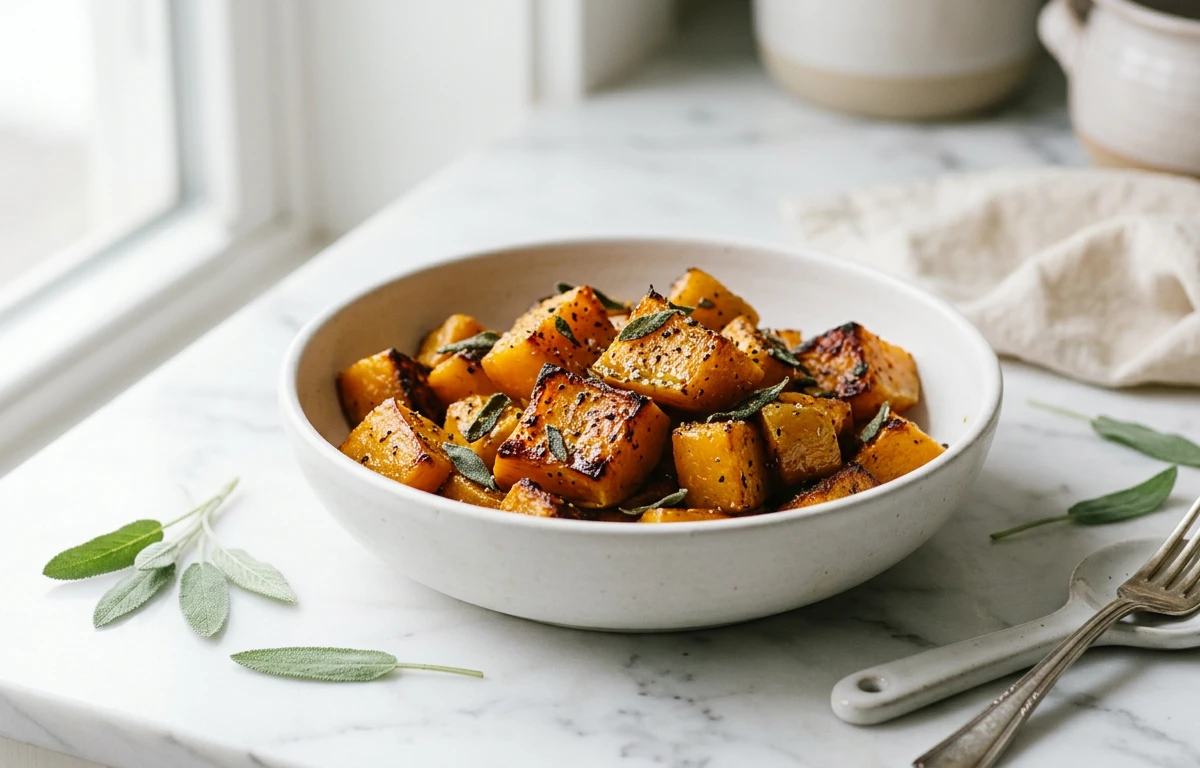
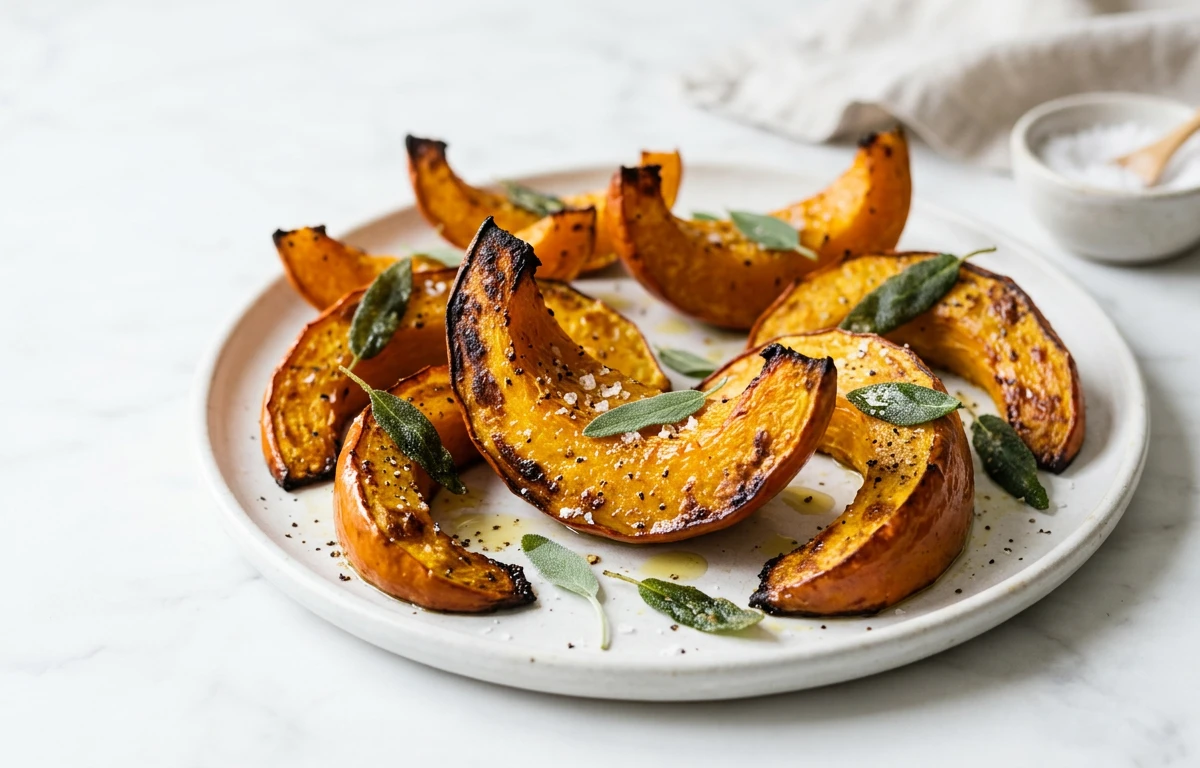
Sage pairs perfectly with butternut squash, pumpkin, pork, chicken, butter, and walnuts.
Do I need to wash fresh sage before using?
Yes, rinse under cold running water and pat thoroughly dry with a paper towel before chopping or cooking.
Can you eat sage leaves raw?
While edible raw, sage has a very strong, pungent, and slightly fuzzy texture that most people find more palatable when cooked.
Is sage high in any specific vitamins?
Yes, sage is exceptionally high in Vitamin K; even a small amount provides a significant portion of the daily recommended intake.
How do I freeze fresh sage?
Wash and dry the leaves, then freeze them flat on a baking sheet before transferring to a freezer bag, or freeze chopped leaves in oil.
RECIPES
Cook with fresh sage.
10 recipes · sorted by what’s quick