grain1 recipes
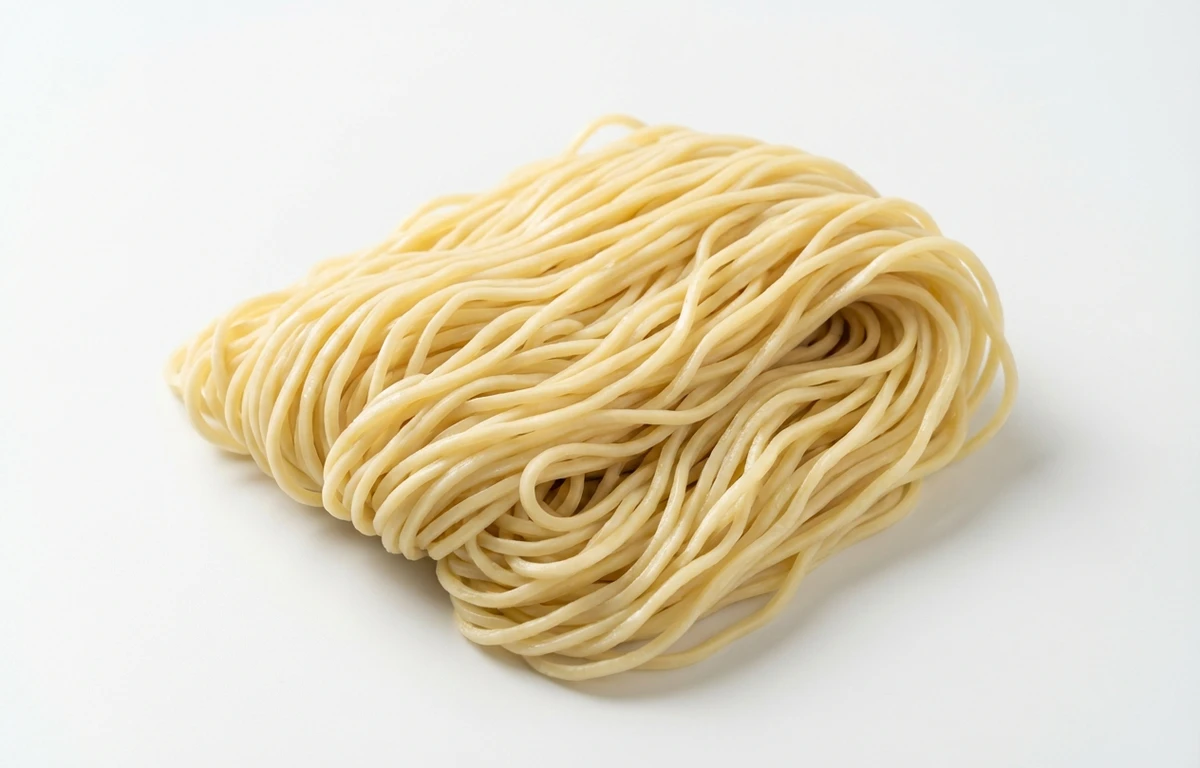
Fresh Saimin Noodles.
VegetarianVeganGluten-freeDairy-freeNut-freePeanut-freeSoy-freeEgg-freeShellfish-freeHoney-freeAlcohol-free
ALSO KNOWN AS
fresh saiminraw saimin noodlesHawaiian saimin noodlessoft saimin noodles
SERVING
CALORIES
160
PROTEIN
6.0g
CARBS
32g
FAT
1.2g
FIBER
1.5g
NUTRITION PROFILE · per 100 g
Everything in this ingredient.
MACRONUTRIENTS
Calories160kcal—
Protein6.0g12%
Carbohydrates32g12%
Fiber1.5g5%
Sugar0.50g1%
Total fat1.2g2%
Saturated fat0.30g2%
Trans fat0g—
Cholesterol15mg5%
Water58g—
MINERALS
Sodium350mg15%
Potassium85mg2%
Calcium12mg1%
Iron1.8mg10%
Magnesium18mg4%
Phosphorus75mg6%
Zinc0.60mg5%
Copper0.10mg11%
Manganese0.30mg13%
Selenium18.5µg34%
VITAMINS
Vitamin A5.0µg1%
Vitamin C0mg0%
Vitamin D0.10µg1%
Vitamin E0.10mg1%
Vitamin K0.20µg0%
Thiamin (B1)0.30mg25%
Riboflavin (B2)0.20mg15%
Niacin (B3)2.5mg16%
Pantothenic acid (B5)0.30mg6%
Vitamin B60.05mg3%
Folate (B9)85µg21%
Vitamin B120.10µg4%
%DV based on a 2,000 cal diet. Source: USDA FoodData Central. A dash in the %DV column means there’s no established Daily Value for that nutrient.
MEASUREMENT CONVERSIONS
How much is what.
1 cup150g
1 tablespoon9.4g
1 teaspoon3.1g
1 oz28.4g
1 lb453.6g
1 ml0.6g
1 liter625g
HEALTH BENEFITS
Why eat it.
- ✓Quick source of energy from carbohydrates
- ✓Contains essential B vitamins for metabolism
- ✓Provides iron for oxygen transport
- ✓Low in total fat
- ✓Moderate protein content from wheat and eggs
COOKING TIPS
In the kitchen.
- 1Boil in plenty of water for only 2-3 minutes until al dente
- 2Rinse under cold water after boiling if using for stir-fry (Fried Saimin)
- 3Add directly to hot broth just before serving to maintain texture
STORAGE
Keep it fresh.
- Store in the refrigerator in an airtight container for up to 5 days
- Can be frozen for up to 3 months; thaw in the fridge before use
- Keep away from moisture until ready to cook to prevent sticking
FAQ
Frequently asked questions.
How long do fresh saimin noodles last in the fridge?
Fresh saimin noodles typically last 3 to 5 days when kept in an airtight container in the refrigerator.
Can I freeze fresh saimin noodles?
Yes, you can freeze them for up to 3 months. It is best to freeze them in individual portions to prevent clumping.
What is the best substitute for saimin noodles?
Fresh ramen noodles or Okinawa soba are the closest substitutes due to their similar wheat and egg composition.
Are saimin noodles vegan?
No, traditional saimin noodles contain eggs as a binding and coloring agent.
How do I know if the noodles have gone bad?
Look for signs of mold, a sour or off-smell, or a slimy texture on the surface of the noodles.
Do I need to rinse saimin noodles after boiling?
If serving in soup, rinsing is optional. If making 'Fried Saimin' (stir-fry), rinsing with cold water helps stop the cooking and removes excess starch.
What makes saimin noodles different from ramen?
Saimin is a Hawaiian hybrid noodle that typically has a softer texture and a slightly different alkaline balance compared to traditional Japanese ramen.
How do I prevent the noodles from becoming soggy?
Avoid overcooking; boil them for the minimum recommended time and serve immediately in hot broth.
Are saimin noodles gluten-free?
No, they are made primarily from wheat flour and contain high amounts of gluten.
What are the main ingredients in fresh saimin?
The primary ingredients are wheat flour, water, eggs, and alkaline salts (kansui) which give them their yellow tint and springy texture.