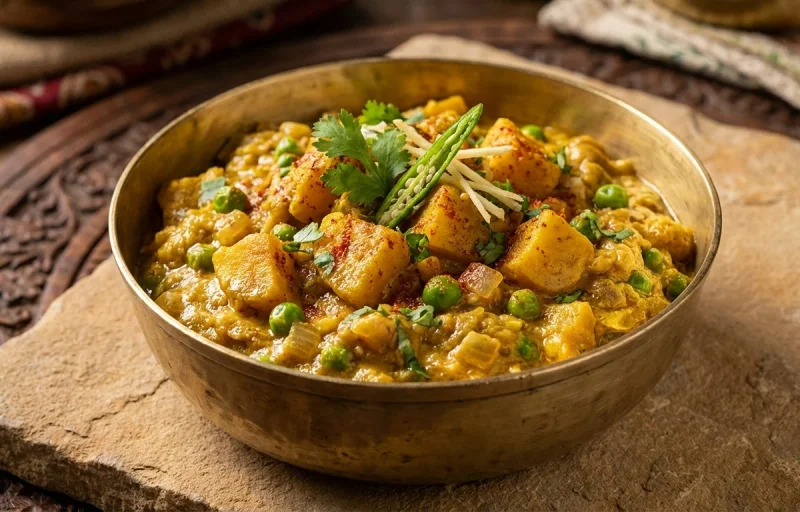
Spice1 recipes
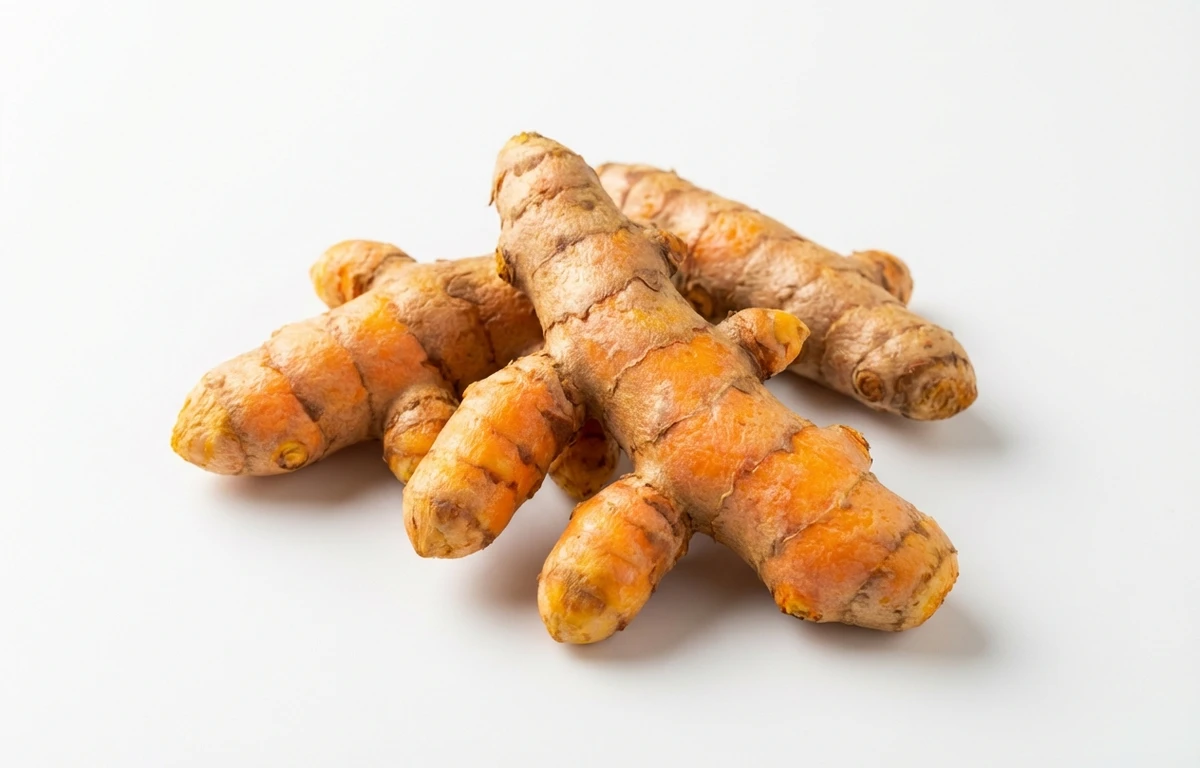
fresh turmeric root.
VegetarianVeganGluten-freeDairy-freeNut-freePeanut-freeSoy-freeEgg-freeShellfish-freeHoney-freeAlcohol-free
ALSO KNOWN AS
kacchi halditurmeric rootraw turmeric
SERVING
CALORIES
101
PROTEIN
2.4g
CARBS
18g
FAT
2.2g
FIBER
3.0g
NUTRITION PROFILE · per 100 g
Everything in this ingredient.
MACRONUTRIENTS
Calories101kcal—
Protein2.4g5%
Carbohydrates18g7%
Fiber3.0g11%
Sugar4.0g8%
Total fat2.2g3%
Saturated fat0.60g3%
Cholesterol0mg0%
Water75g—
MINERALS
Sodium27mg1%
Potassium640mg14%
Calcium183mg14%
Iron1.8mg10%
Magnesium19mg5%
Phosphorus45mg4%
Zinc0.45mg4%
Copper0.13mg14%
Manganese0.20mg9%
Selenium0.60µg1%
VITAMINS
Vitamin A0µg0%
Vitamin C26mg29%
Vitamin D0µg0%
Vitamin E0.25mg2%
Vitamin K13.4µg11%
Thiamin (B1)0.07mg6%
Riboflavin (B2)0.08mg6%
Niacin (B3)0.50mg3%
Pantothenic acid (B5)0.30mg6%
Vitamin B60.10mg6%
Folate (B9)45µg11%
Vitamin B120µg0%
%DV based on a 2,000 cal diet. Source: USDA FoodData Central. A dash in the %DV column means there’s no established Daily Value for that nutrient.
MEASUREMENT CONVERSIONS
How much is what.
1 cup110g
1 tablespoon7g
1 teaspoon2.5g
1 ml0.5g
1 liter466.7g
1 piece50g
HEALTH BENEFITS
Why eat it.
- ✓Possesses potent anti-inflammatory properties due to its active compound, curcumin, which can help manage inflammation-related conditions.
- ✓Acts as a powerful antioxidant, neutralizing harmful free radicals and boosting the body's own antioxidant enzymes.
- ✓May improve brain function and lower the risk of brain diseases by increasing levels of Brain-Derived Neurotrophic Factor (BDNF).
- ✓Supports heart health by improving the function of the endothelium (the lining of blood vessels) and reducing oxidation and inflammation.
COOKING TIPS
In the kitchen.
- 1Wear gloves when peeling and grating fresh turmeric to prevent its vibrant pigment from staining your hands and surfaces.
- 2Pair turmeric with a pinch of black pepper; the piperine in pepper significantly enhances the bioavailability of curcumin.
- 3Since curcumin is fat-soluble, consuming turmeric with a source of healthy fat like coconut oil, olive oil, or avocado can improve its absorption.
- 4Finely grate or mince fresh turmeric to easily incorporate it into smoothies, juices, teas, curries, soups, and rice dishes for a warm, earthy flavor.
STORAGE
Keep it fresh.
- Store unpeeled fresh turmeric root in an airtight bag or container in the refrigerator's crisper drawer for up to 2-3 weeks.
- For long-term storage, peel and freeze the root whole or grated in a freezer-safe bag for up to 6 months.
FAQ
Frequently asked questions.
Is fresh turmeric root healthy?
Yes, fresh turmeric root is highly beneficial due to its active compound, curcumin, which provides potent anti-inflammatory and antioxidant properties. It supports overall health by potentially improving brain function, boosting the body's antioxidant enzymes, and contributing to heart health.
What are the nutritional benefits of fresh turmeric root?
Per 100g, fresh turmeric root contains approximately 81 calories, 2.4g protein, 18g carbohydrates, and 2.2g fat. It's also a good source of dietary fiber, manganese, iron, and potassium, contributing to overall well-being.
How much fresh turmeric root should I consume daily for health benefits?
While there's no official daily recommended intake, many studies on curcumin use doses ranging from 500-2000 mg of curcumin extract. For fresh root, incorporating 1-3 inches (about 5-15g) into your daily diet, often grated into drinks or meals, is a common practice for general wellness.
Is fresh turmeric root vegan and gluten-free?
Yes, fresh turmeric root is naturally vegan as it is a plant-based spice. It is also naturally gluten-free, making it suitable for individuals following these dietary restrictions.
Is fresh turmeric root keto-friendly?
While fresh turmeric root contains carbohydrates (18g per 100g), it is typically used in small quantities as a spice. A small serving (e.g., 5-10g) would contribute minimal net carbs, making it generally acceptable for keto diets when used sparingly.
How do I prepare and use fresh turmeric root in cooking?
To prepare, gently scrub the root clean; peeling is optional as the skin is thin and edible, but you can peel it with a spoon or peeler if desired. It can then be grated, minced, or sliced and added to curries, smoothies, soups, stir-fries, or teas.
What does fresh turmeric root taste like compared to dried turmeric powder?
Fresh turmeric root has a more vibrant, earthy, slightly peppery, and subtly bitter flavor with citrusy and ginger-like undertones. Dried turmeric powder, while similar, tends to be more intensely earthy and less bright, often lacking the fresh, pungent notes of the raw root.
How should I store fresh turmeric root, and how long does it last?
Store fresh turmeric root in a paper bag or wrapped in a paper towel inside a sealed plastic bag in the refrigerator's crisper drawer. Properly stored, it can last for 2-3 weeks. You can also freeze it whole or grated for longer storage, up to several months.
Can I eat fresh turmeric root raw?
Yes, fresh turmeric root can be eaten raw. It's often grated into salads, smoothies, juices, or dressings to harness its full nutritional benefits and vibrant flavor.
Does fresh turmeric root stain, and how can I prevent it?
Yes, fresh turmeric root contains a potent yellow pigment (curcumin) that can easily stain skin, clothing, and kitchen surfaces. To prevent staining, wear gloves when handling, use a dedicated cutting board, and clean surfaces immediately with soap and water or a baking soda paste.
RECIPES
Cook with fresh turmeric root.
1 recipes · sorted by what’s quick