
Other
freshwater eel.
VegetarianVeganGluten-freeDairy-freeNut-freePeanut-freeSoy-freeEgg-freeShellfish-freeHoney-freeAlcohol-freeKosher
ALSO KNOWN AS
kusia maaseel
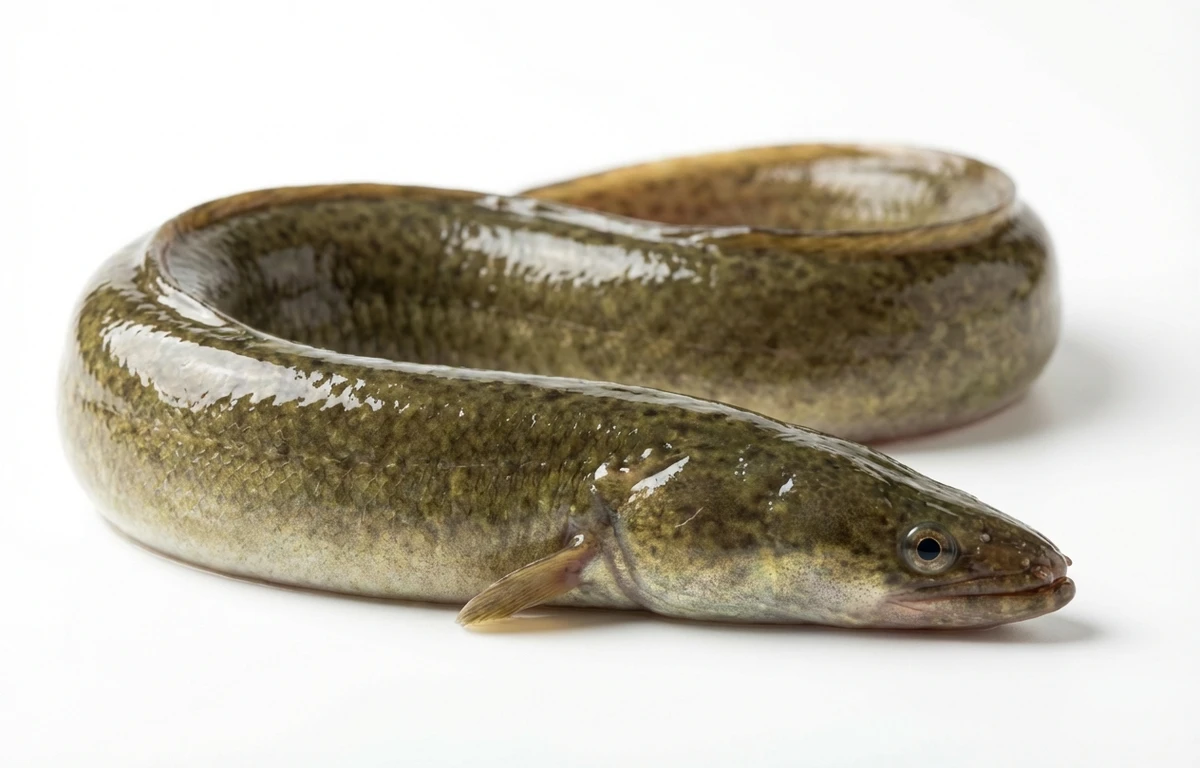
SERVING
CALORIES
184
PROTEIN
18.4g
CARBS
0g
FAT
11.7g
FIBER
0g
This ingredient is flagged as naturally gluten-free. Per 100 g, it provides 1.2 µg of vitamin K.
NUTRITION PROFILE · per 100 g
Everything in this ingredient.
MACRONUTRIENTS
Calories184kcal—
Protein18.4g37%
Carbohydrates0g0%
Fiber0g0%
Sugar0g0%
Total fat11.7g15%
Saturated fat2.4g12%
Trans fat0g—
Cholesterol126mg42%
Water68.6g—
MINERALS
Sodium65mg3%
Potassium270mg6%
Calcium20mg2%
Iron0.50mg3%
Magnesium42.5mg10%
Phosphorus361mg29%
Zinc2.2mg20%
Copper2.7mg302%
Manganese0.13mg6%
Selenium67.3µg122%
VITAMINS
Vitamin A150µg17%
Vitamin C0mg0%
Vitamin D23.3µg117%
Vitamin E1.8mg12%
Vitamin K1.2µg1%
Thiamin (B1)0mg0%
Riboflavin (B2)0.31mg24%
Niacin (B3)2.3mg14%
Pantothenic acid (B5)1.5mg30%
Vitamin B6106mg6235%
Biotin (B7)1294µg4313%
Folate (B9)0µg0%
Vitamin B123.0µg125%
%DV based on a 2,000 cal diet. Source: USDA FoodData Central. A dash in the %DV column means there’s no established Daily Value for that nutrient.
HEALTH BENEFITS
Why eat it.
- ✓High in quality protein, which is vital for muscle building, tissue repair, and enzyme production.
- ✓Provides a significant amount of Vitamin B12, crucial for nerve function and the formation of red blood cells.
COOKING TIPS
In the kitchen.
- 1Crucially, eel blood contains a neurotoxin that is destroyed by heat. Always cook eel thoroughly and never consume it raw.
- 2A popular preparation method is grilling (Japanese 'kabayaki'), where the eel is filleted, skewered, and repeatedly basted with a sweet soy-based sauce.
- 3Before cooking, remove the slimy coating by rubbing the skin with coarse salt and then rinsing thoroughly under cold water.
- 4Eel's firm, fatty flesh is also excellent for smoking, stewing, or pan-frying, as it holds its shape well and remains moist.
STORAGE
Keep it fresh.
- Store fresh eel in the coldest part of the refrigerator, preferably on ice in a covered container, and use within 1-2 days.
- For long-term storage, clean and gut the eel, pat it dry, wrap tightly in plastic wrap and foil or vacuum-seal, and freeze for up to 6 months.
- Cooked eel should be stored in an airtight container in the refrigerator and consumed within 3 days.
FAQ
Frequently asked questions.
What are the nutritional benefits of freshwater eel?
Per 100g, freshwater eel provides approximately 184 calories, 18.4g of high-quality protein, and 11.7g of fat, with 0g carbs. It's particularly noted for its high content of Omega-3s, Vitamin A, Vitamin D, and Vitamin B12, making it a nutrient-dense food.
Is freshwater eel gluten-free?
Yes, fresh, unseasoned freshwater eel is naturally gluten-free. However, if prepared with sauces or breading (like in some unagi dishes), always check the ingredients to ensure no gluten-containing additives are used.
How do you cook freshwater eel?
Freshwater eel is versatile. Common cooking methods include grilling, broiling, baking, or stewing. It's often filleted and can be prepared with savory sauces, such as in Japanese unagi dishes where it's grilled with a sweet soy-based sauce. Ensure it's cooked thoroughly to an internal temperature of 145°F (63°C).
What does freshwater eel taste like?
Freshwater eel has a distinct, rich, and slightly sweet flavor with a firm, meaty texture. It's often described as less "fishy" than some other seafood, with a clean taste that pairs well with various seasonings and sauces.
Does freshwater eel contain mercury?
Freshwater eels generally have lower mercury levels compared to larger, longer-lived predatory ocean fish. However, mercury content can vary depending on the specific water source and the eel's diet. It's considered a safer choice regarding mercury for most populations.
Can you eat freshwater eel raw?
No, freshwater eel should not be eaten raw. It can contain parasites and bacteria that are only destroyed by cooking. Always ensure freshwater eel is thoroughly cooked before consumption to ensure safety.



















