
Meat
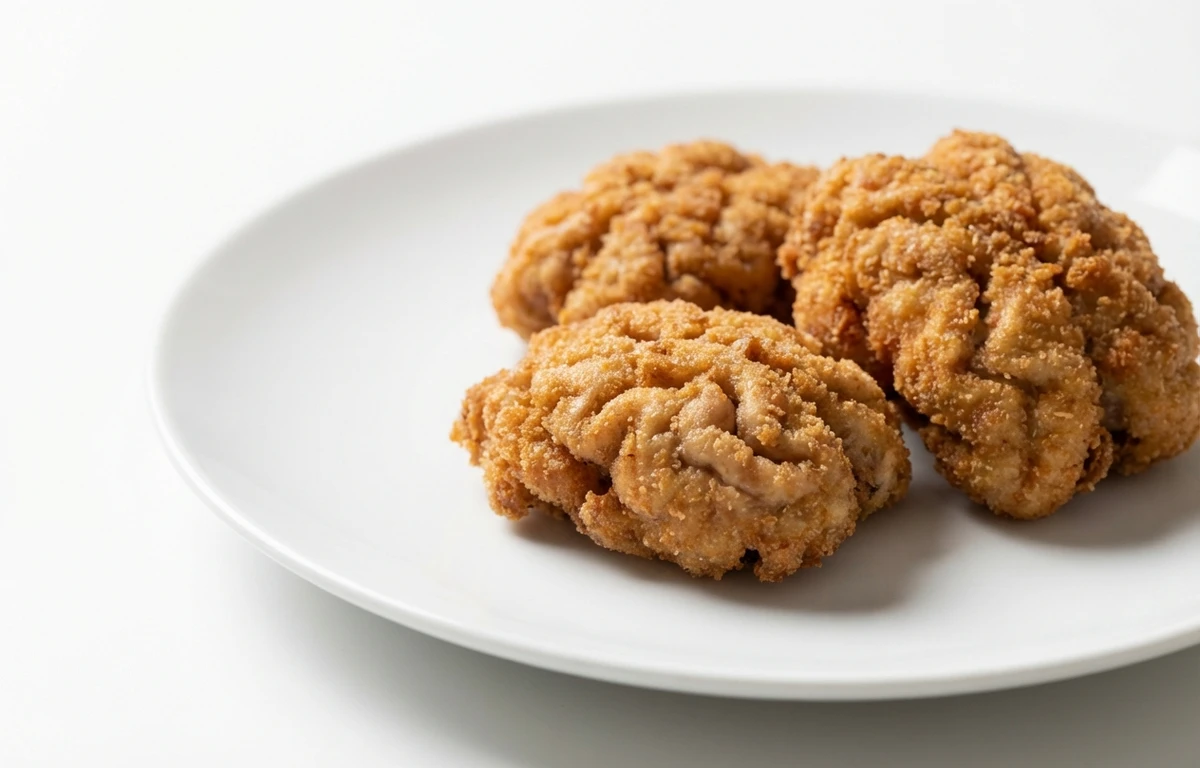
fried lamb brains.
VegetarianVeganGluten-freeDairy-freeNut-freePeanut-freeSoy-freeEgg-freeShellfish-freeHoney-freeAlcohol-free
SERVING
CALORIES
144
PROTEIN
10.3g
CARBS
0g
FAT
10.3g
FIBER
0g
NUTRITION PROFILE · per 100 g
Everything in this ingredient.
MACRONUTRIENTS
Calories144kcal—
Protein10.3g21%
Carbohydrates0g0%
Fiber0g0%
Sugar0g0%
Total fat10.3g13%
Saturated fat2.2g11%
Trans fat0g—
Cholesterol3100mg1033%
Water77.5g—
MINERALS
Sodium100mg4%
Potassium290mg6%
Calcium10mg1%
Iron1.9mg11%
Magnesium15mg4%
Phosphorus384mg31%
Zinc1.3mg12%
Copper0.28mg31%
Manganese0.04mg2%
Selenium16.3µg30%
VITAMINS
Vitamin A0µg0%
Vitamin C11.1mg12%
Vitamin D0.10µg1%
Vitamin E1.1mg7%
Thiamin (B1)0.08mg7%
Riboflavin (B2)0.22mg17%
Niacin (B3)3.0mg19%
Pantothenic acid (B5)1.9mg38%
Vitamin B60.08mg5%
Vitamin B129.5µg397%
%DV based on a 2,000 cal diet. Source: USDA FoodData Central. A dash in the %DV column means there’s no established Daily Value for that nutrient.
MEASUREMENT CONVERSIONS
How much is what.
1 oz28.4g
1 lb453.6g
1 piece90g
HEALTH BENEFITS
Why eat it.
- ✓Rich source of omega-3 fatty acids, particularly DHA, which is crucial for brain health and cognitive function.
- ✓Extremely high in Vitamin B12, essential for nerve function, red blood cell formation, and DNA synthesis.
- ✓Provides unique nutrients like phosphatidylcholine and phosphatidylserine, which are vital components of cell membranes.
- ✓Good source of iron and copper, important for energy metabolism and red blood cell formation.
- ✓While highly nutritious, lamb brains are exceptionally high in cholesterol, which should be considered in dietary planning.
COOKING TIPS
In the kitchen.
- 1Before cooking, soak raw brains in cold, salted water or milk for 1-2 hours, changing the liquid occasionally, to help remove impurities and firm the texture. Gently remove any visible membranes or blood vessels.
- 2Brains are often blanched or poached in seasoned water, broth, or milk for 5-10 minutes until just firm, before further preparation (e.g., sautéing, frying, or scrambling).
- 3They have a delicate, creamy texture and a mild, slightly metallic flavor. They can be sautéed with herbs, scrambled with eggs, or breaded and fried.
- 4Serve with acidic components like lemon juice, capers, or a sharp sauce to balance their richness.
STORAGE
Keep it fresh.
- Lamb brains are highly perishable. Store them immediately in the coldest part of the refrigerator (below 40°F or 4°C) and cook within 24 hours of purchase.
- For longer storage, raw brains can be frozen for up to 2-3 months. Thaw slowly in the refrigerator before use.
FAQ
Frequently asked questions.
Are fried lamb brains healthy?
Fried lamb brains offer significant nutritional benefits, being an excellent source of omega-3 fatty acids (DHA), Vitamin B12, iron, and copper, which support brain health, nerve function, and energy. However, they are exceptionally high in cholesterol, so moderation is key, especially for those monitoring their cholesterol intake.
What specific nutrients do lamb brains provide?
Lamb brains are particularly rich in DHA, a crucial omega-3 fatty acid for cognitive function. They are also an outstanding source of Vitamin B12, essential for nerve health and red blood cell formation, and provide important minerals like iron and copper, along with unique phospholipids like phosphatidylcholine.
What is the nutritional content of fried lamb brains per 100g?
Per 100g, fried lamb brains contain approximately 144 calories, 10.3g of protein, 0g of carbohydrates, and 10.3g of fat. This makes them a high-fat, high-protein, and zero-carb food.
Are fried lamb brains keto-friendly?
Yes, fried lamb brains are highly keto-friendly. With 0g of carbohydrates and a good balance of fat and protein, they fit well into a ketogenic diet, providing essential nutrients without impacting carb limits.
Can individuals with high cholesterol eat lamb brains?
Due to their exceptionally high cholesterol content, individuals with high cholesterol or those advised to limit dietary cholesterol should consume lamb brains with caution and in very small quantities, or avoid them altogether. It's best to consult a healthcare professional for personalized dietary advice.
How are lamb brains typically prepared and cooked?
Lamb brains are often blanched first to firm them up and remove membranes. After blanching, they can be breaded and fried, sautéed with butter and herbs, or used in dishes like scrambled eggs or pâtés. Frying gives them a crispy exterior and creamy interior.
What is the taste and texture of fried lamb brains?
Fried lamb brains have a delicate, mild, and slightly metallic flavor, often described as subtly gamey or similar to a rich, savory custard. Their texture is notably soft and creamy on the inside, contrasting with a crispy, golden-brown exterior when fried.
How should fresh lamb brains be stored?
Fresh lamb brains should be stored in the coldest part of the refrigerator, ideally on ice, and used within 1-2 days of purchase. They are highly perishable and should not be left at room temperature for long periods.
How can you tell if lamb brains are fresh?
Fresh lamb brains should have a pale, uniform color, a firm yet delicate texture, and a very mild, clean smell. Avoid brains that appear discolored, slimy, or have any strong or off-putting odor, as these are signs of spoilage.
Are there any health risks or concerns associated with eating lamb brains?
The primary concern is their extremely high cholesterol content. While rare, there's also a theoretical risk of prion diseases (like BSE or 'mad cow disease'), though lamb brains are generally considered low risk compared to older cattle. Always source from reputable suppliers and cook thoroughly.



















