
Legume
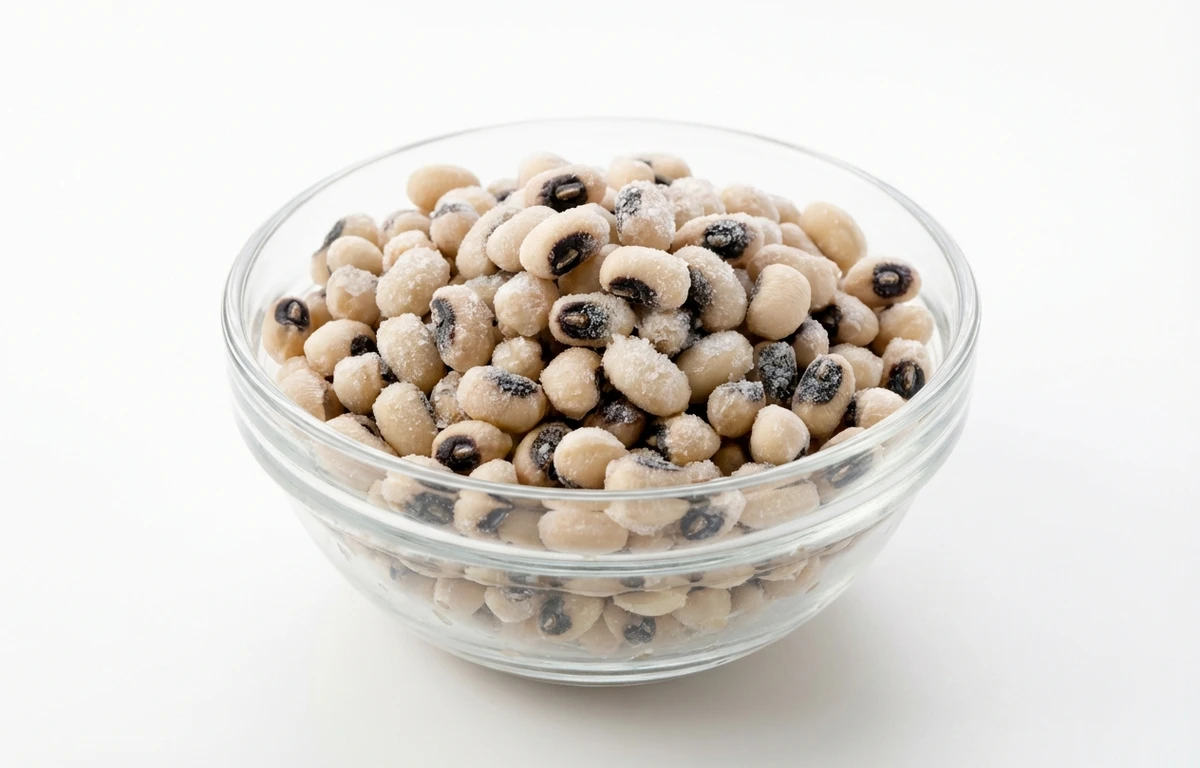
frozen black-eyed peas.
VegetarianVeganGluten-freeDairy-freeNut-freePeanut-freeSoy-freeEgg-freeShellfish-freeHoney-freeAlcohol-free
ALSO KNOWN AS
blackeyes
SERVING
CALORIES
125
PROTEIN
7.5g
CARBS
23g
FAT
0.50g
FIBER
5.5g
NUTRITION PROFILE · per 100 g
Everything in this ingredient.
MACRONUTRIENTS
Calories125kcal—
Protein7.5g15%
Carbohydrates23g8%
Fiber5.5g20%
Sugar2.5g5%
Total fat0.50g1%
Saturated fat0.10g1%
Trans fat0g—
Cholesterol0mg0%
Water68g—
MINERALS
Sodium6.0mg0%
Potassium350mg7%
Calcium25mg2%
Iron2.1mg12%
Magnesium45mg11%
Phosphorus140mg11%
Zinc1.1mg10%
Copper0.20mg22%
Manganese0.50mg22%
Selenium1.5µg3%
VITAMINS
Vitamin A2.0µg0%
Vitamin C1.5mg2%
Vitamin D0µg0%
Vitamin E0.30mg2%
Vitamin K3.0µg3%
Thiamin (B1)0.20mg17%
Riboflavin (B2)0.06mg5%
Niacin (B3)0.60mg4%
Pantothenic acid (B5)0.40mg8%
Vitamin B60.10mg6%
Folate (B9)180µg45%
Vitamin B120µg0%
%DV based on a 2,000 cal diet. Source: USDA FoodData Central. A dash in the %DV column means there’s no established Daily Value for that nutrient.
MEASUREMENT CONVERSIONS
How much is what.
1 cup160g
1 tablespoon10g
1 teaspoon3.3g
1 ml0.7g
1 liter666.7g
HEALTH BENEFITS
Why eat it.
- ✓Excellent source of dietary fiber, which aids digestion and helps regulate blood sugar levels.
- ✓Rich in plant-based protein, essential for muscle building and repair.
- ✓High in folate (Vitamin B9), which is crucial for DNA synthesis and preventing neural tube defects during pregnancy.
- ✓Good source of minerals like iron for energy production, potassium for blood pressure control, and magnesium for nerve function.
COOKING TIPS
In the kitchen.
- 1No pre-soaking is required; they can be cooked directly from frozen, saving preparation time.
- 2Simmer in water or broth for 20-30 minutes until tender. Avoid vigorous boiling which can make them mushy.
- 3They readily absorb flavors, so cook them with aromatics like onions, garlic, bay leaves, and smoked paprika.
- 4Perfect for classic Southern dishes like Hoppin' John, as well as soups, stews, and cold salads.
STORAGE
Keep it fresh.
- Store in the freezer at or below 0°F (-18°C) to maintain quality and prevent spoilage.
- For best quality, use within 8-12 months of purchase. Keep the package tightly sealed to prevent freezer burn.
FAQ
Frequently asked questions.
Are frozen black-eyed peas healthy?
Yes, black-eyed peas are highly nutritious. They are an excellent source of dietary fiber, plant-based protein, and essential minerals like iron, potassium, and magnesium. They also provide a significant amount of folate, crucial for various bodily functions.
How much protein, carbs, and calories are in black-eyed peas?
Per 100g, frozen black-eyed peas contain approximately 125 calories, 7.5g of protein, 23g of carbohydrates, and only 0.5g of fat. This makes them a nutrient-dense food, offering substantial protein and complex carbs with minimal fat.
Are black-eyed peas good for weight loss?
Yes, black-eyed peas can be beneficial for weight loss. Their high fiber content promotes satiety, helping you feel full longer and reducing overall calorie intake. The protein also aids in muscle maintenance, which is important during weight loss.
Are frozen black-eyed peas vegan and gluten-free?
Yes, frozen black-eyed peas are naturally vegan, as they are a plant-based legume. They are also naturally gluten-free, making them suitable for individuals with celiac disease or gluten sensitivity.
Are black-eyed peas suitable for diabetics or low-carb diets?
Black-eyed peas are suitable for diabetics due to their high fiber content, which helps regulate blood sugar levels. However, with 23g of carbs per 100g, they are not considered low-carb and may not fit strict ketogenic diets.
How do you cook frozen black-eyed peas?
Frozen black-eyed peas are convenient and do not require thawing. You can add them directly to boiling water, soups, stews, or casseroles. Cook them for about 15-20 minutes, or until tender, depending on your recipe.
Do frozen black-eyed peas need to be soaked before cooking?
No, frozen black-eyed peas do not need to be soaked. The freezing process and pre-treatment typically soften them enough that they can be cooked directly from frozen, saving significant preparation time compared to dried beans.
What do black-eyed peas taste like?
Black-eyed peas have a mild, earthy, and slightly nutty flavor with a creamy texture when cooked. They readily absorb the flavors of other ingredients, making them versatile for various culinary applications, from savory stews to salads.
How long can you store frozen black-eyed peas?
When stored properly in a freezer at 0°F (-18°C) or below, frozen black-eyed peas can last for 8-12 months while maintaining optimal quality. They will remain safe to eat beyond this time but may experience a decline in texture or flavor.
Can you eat black-eyed peas raw?
No, black-eyed peas should not be eaten raw. Like many legumes, they contain lectins, which can cause digestive upset. Cooking them thoroughly neutralizes these compounds, making them safe and digestible.



















