Other5 recipes
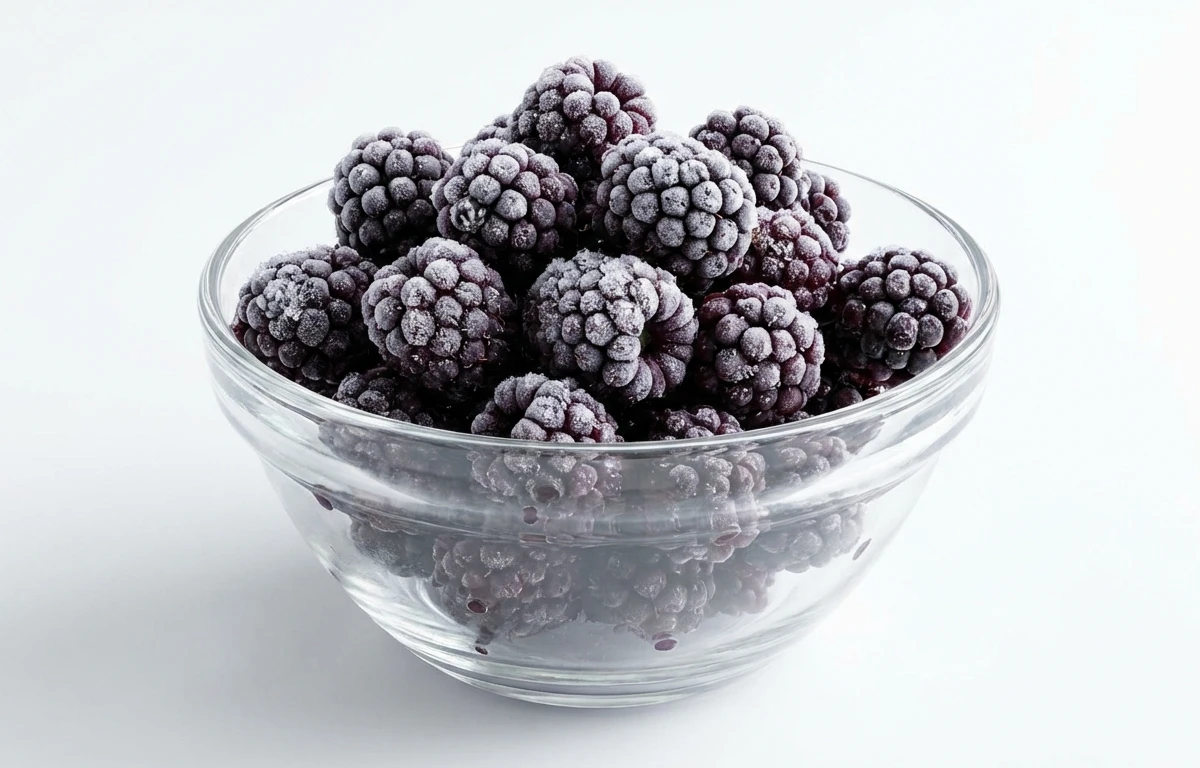
frozen blackberries.
VegetarianVeganGluten-freeDairy-freeNut-freePeanut-freeSoy-freeEgg-freeShellfish-freeHoney-freeAlcohol-freeHalalKosher
ALSO KNOWN AS
blackberriesbramble fruit
SERVING
CALORIES
64
PROTEIN
1.2g
CARBS
15.7g
FAT
0.43g
FIBER
5.0g
NUTRITION PROFILE · per 100 g
Everything in this ingredient.
MACRONUTRIENTS
Calories64kcal—
Protein1.2g2%
Carbohydrates15.7g6%
Fiber5.0g18%
Sugar10.7g21%
Total fat0.43g1%
Saturated fat0.02g0%
Trans fat0g—
Cholesterol0mg0%
Water82.2g—
MINERALS
Sodium1.0mg0%
Potassium140mg3%
Calcium29mg2%
Iron0.80mg4%
Magnesium22mg5%
Phosphorus30mg2%
Zinc0.25mg2%
Copper0.12mg13%
Manganese1.2mg53%
Selenium0.40µg1%
VITAMINS
Vitamin A6.0µg1%
Vitamin C3.1mg3%
Vitamin D0µg0%
Vitamin E1.2mg8%
Vitamin K19.8µg17%
Thiamin (B1)0.03mg3%
Riboflavin (B2)0.05mg4%
Niacin (B3)1.2mg8%
Pantothenic acid (B5)0.15mg3%
Vitamin B60.06mg4%
Folate (B9)34µg9%
Vitamin B120µg0%
%DV based on a 2,000 cal diet. Source: USDA FoodData Central. A dash in the %DV column means there’s no established Daily Value for that nutrient.
MEASUREMENT CONVERSIONS
How much is what.
1 cup151g
1 tablespoon9.4g
1 teaspoon3.1g
1 ml0.6g
1 liter629.2g
HEALTH BENEFITS
Why eat it.
- ✓Rich in antioxidants, particularly anthocyanins, which help combat oxidative stress and inflammation.
- ✓High in dietary fiber, which supports digestive health, helps regulate blood sugar levels, and promotes satiety.
- ✓Excellent source of Vitamin C, crucial for immune system function and skin health, and Vitamin K, important for bone health and blood clotting.
- ✓Contains manganese, a mineral that plays a role in bone formation, connective tissue, and metabolism.
COOKING TIPS
In the kitchen.
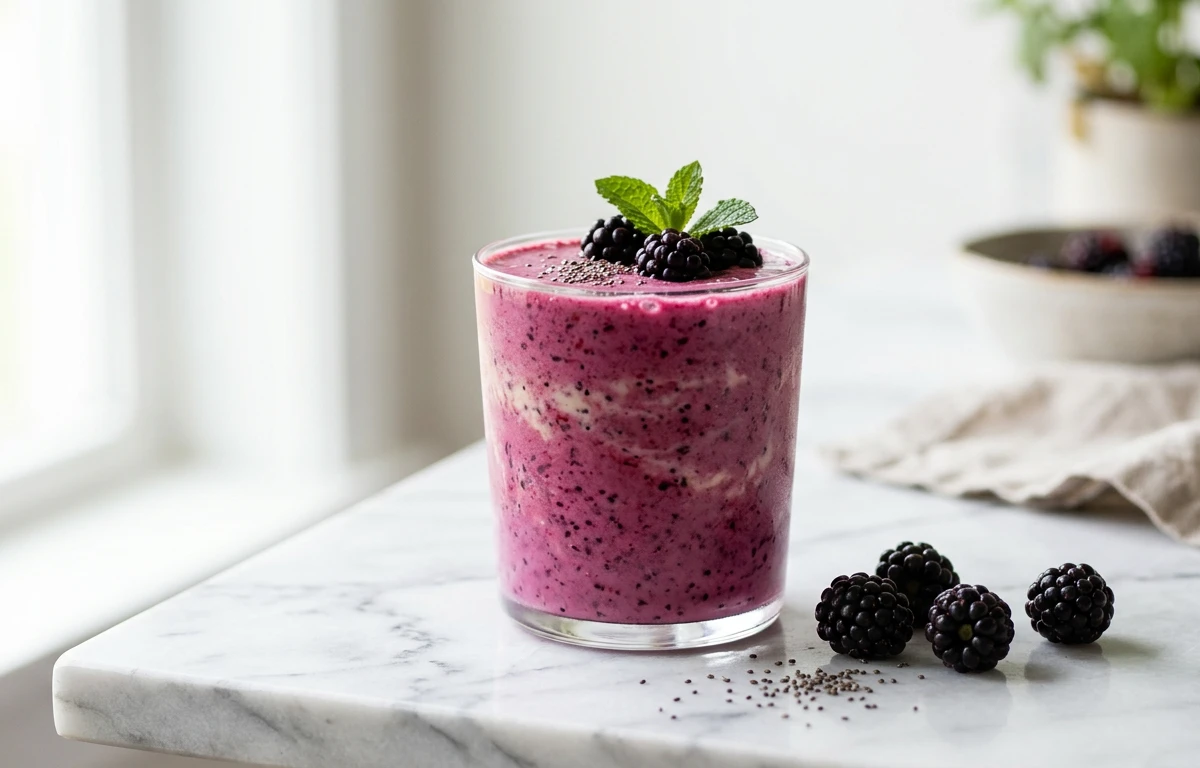
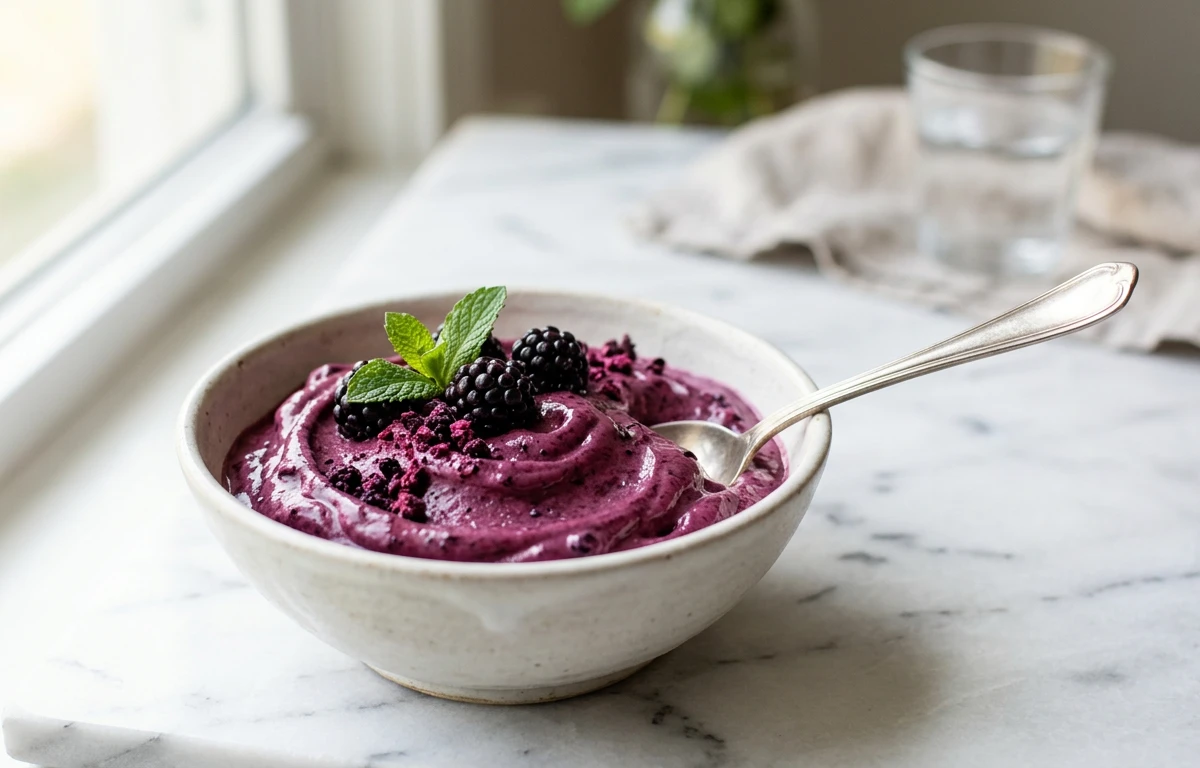
- 1Add directly from the freezer to smoothies for a thick, frosty consistency without needing extra ice.
- 2When baking in muffins or cakes, toss frozen blackberries in a small amount of flour before adding to the batter to prevent them from sinking and bleeding color excessively.
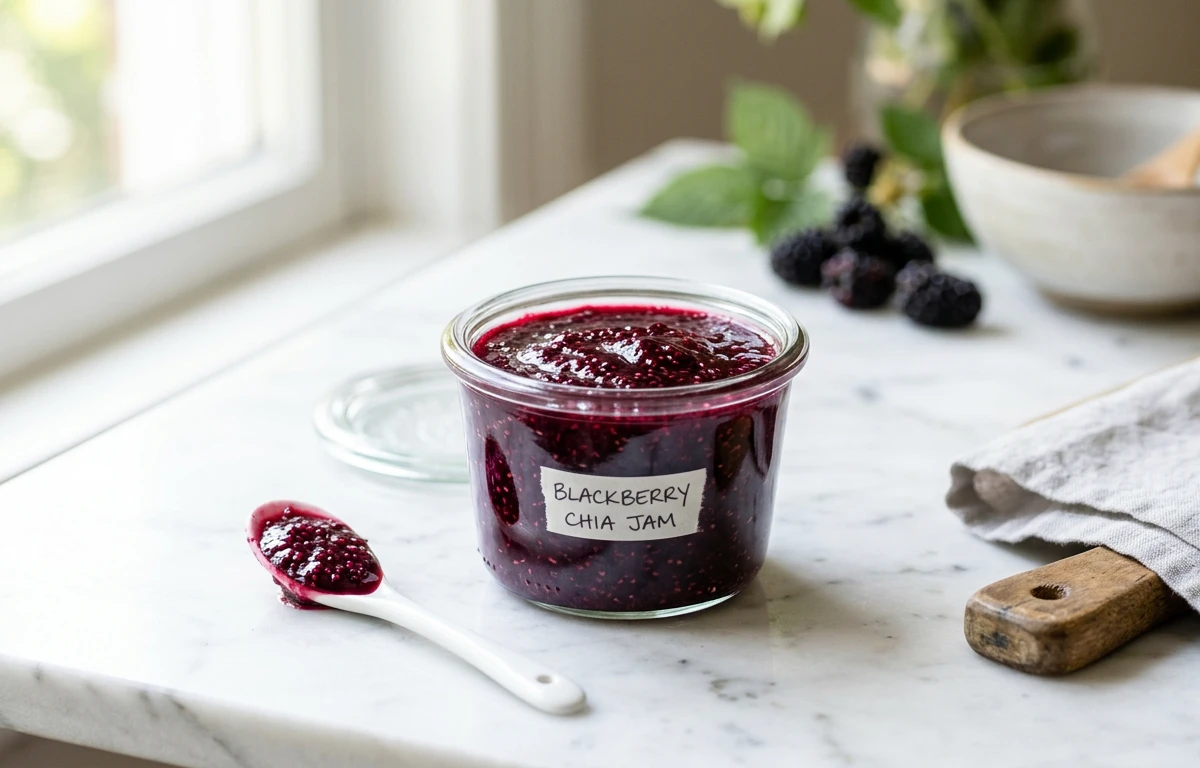
- 3To make a quick compote or sauce, simmer frozen blackberries with a little sugar and lemon juice until they break down and thicken.
- 4Thaw berries in the refrigerator or a bowl of cold water if you need them soft for recipes like fruit salads or yogurt parfaits.
STORAGE
Keep it fresh.
- Store in the original packaging or an airtight container in the freezer at 0°F (-18°C) or colder to prevent freezer burn.
- For best quality, use within 8-12 months. Do not refreeze after they have been completely thawed as it will degrade their texture.
FAQ
Frequently asked questions.
Is frozen blackberry healthy?
Yes, frozen blackberries are very healthy. They are packed with antioxidants, especially anthocyanins, which fight inflammation and oxidative stress. They also provide essential vitamins like C and K, and minerals like manganese, contributing to overall well-being.
What are the nutritional benefits of frozen blackberries?
Frozen blackberries are rich in dietary fiber, supporting digestion and blood sugar regulation. They are an excellent source of Vitamin C for immunity and skin health, and Vitamin K for bone health and blood clotting. Additionally, they contain manganese, vital for metabolism and connective tissue.
How many calories and carbs are in frozen blackberries?
Per 100g, frozen blackberries contain approximately 64 calories and 15.67g of carbohydrates. They also provide 1.18g of protein and 0.43g of fat, making them a relatively low-calorie and low-fat fruit option.
Are frozen blackberries good for weight loss?
Yes, frozen blackberries can be beneficial for weight loss. They are low in calories and high in fiber, which helps promote satiety and reduce overall calorie intake. Their natural sweetness can also satisfy cravings without adding excessive sugars.
Are frozen blackberries suitable for diabetics?
Yes, frozen blackberries can be a good choice for diabetics in moderation. Their high fiber content helps to slow sugar absorption, preventing sharp blood sugar spikes. Always monitor portion sizes and consider them as part of a balanced diet.
Are frozen blackberries vegan and gluten-free?
Yes, frozen blackberries are naturally vegan as they are a plant-based fruit. They are also naturally gluten-free, making them suitable for individuals following vegan or gluten-free diets without any processing concerns.
How do you use frozen blackberries in cooking?
Frozen blackberries are incredibly versatile. They can be added directly to smoothies, oatmeal, yogurt, or baked goods like muffins and pies. They are also excellent for making sauces, jams, compotes, or as a topping for desserts.
Do I need to thaw frozen blackberries before using them?
It depends on the recipe. For smoothies, you can use them directly from frozen. For baking or sauces, partial or full thawing might be preferred to prevent excess moisture in the final product or to achieve a smoother texture.
How long do frozen blackberries last and how should they be stored?
Frozen blackberries should be stored in their original sealed bag or an airtight container in the freezer at 0°F (-18°C) or below. Properly stored, they can last for 10-12 months, maintaining their quality and nutritional value.
Do frozen blackberries lose nutrients compared to fresh ones?
Generally, frozen blackberries retain most of their nutritional value. They are often flash-frozen shortly after harvest, which locks in vitamins, minerals, and antioxidants. In some cases, they can even be more nutritious than 'fresh' berries that have traveled long distances and sat on shelves.
RECIPES
Cook with frozen blackberries.
5 recipes · sorted by what’s quick