
Dairy1 recipes
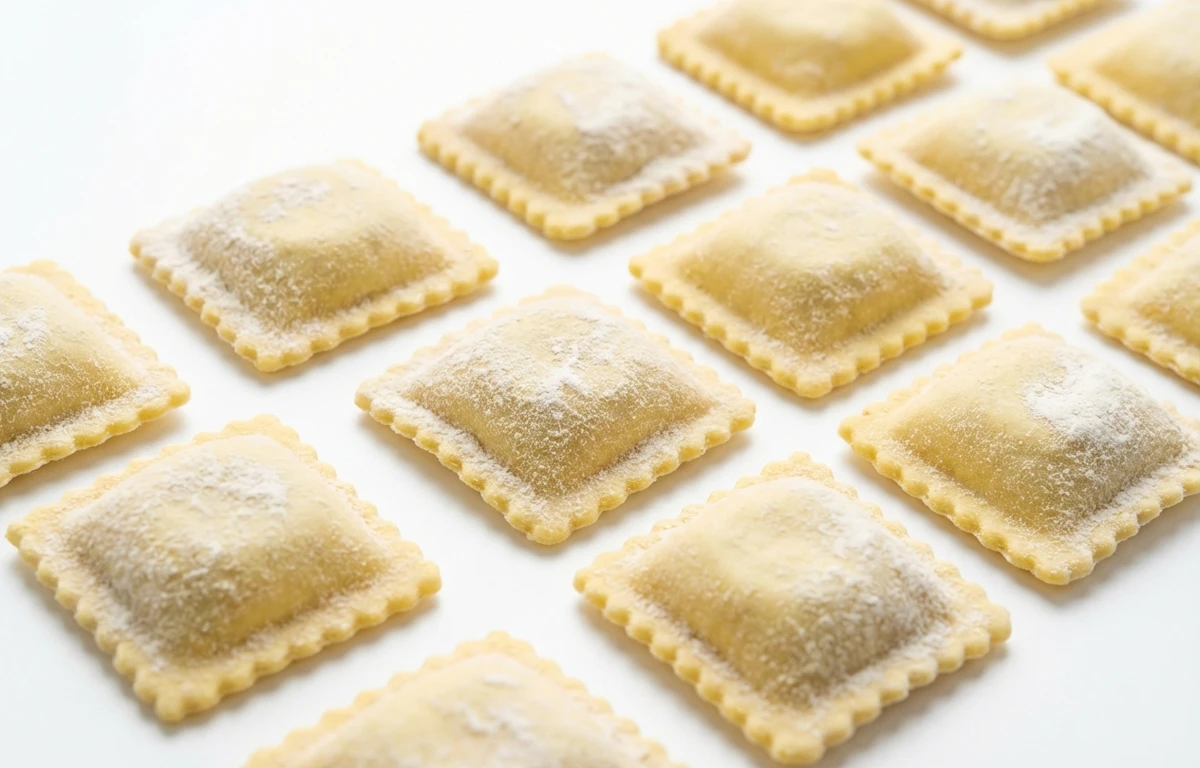
frozen cheese ravioli.
VegetarianVeganGluten-freeDairy-freeNut-freePeanut-freeSoy-freeEgg-freeShellfish-freeHoney-freeAlcohol-free
ALSO KNOWN AS
cheese raviolifrozen ravioli
SERVING
CALORIES
250
PROTEIN
10.5g
CARBS
32g
FAT
8.5g
FIBER
1.8g
NUTRITION PROFILE · per 100 g
Everything in this ingredient.
MACRONUTRIENTS
Calories250kcal—
Protein10.5g21%
Carbohydrates32g12%
Fiber1.8g6%
Sugar3.5g7%
Total fat8.5g11%
Saturated fat4.5g23%
Trans fat0.07g—
Cholesterol40mg13%
Water55g—
MINERALS
Sodium350mg15%
Potassium250mg5%
Calcium120mg9%
Iron1.5mg8%
Magnesium20mg5%
Phosphorus78mg6%
Zinc0.43mg4%
Copper0.08mg9%
Manganese0.18mg8%
Selenium12.1µg22%
VITAMINS
Vitamin A35µg4%
Vitamin C2.8mg3%
Vitamin D0.10µg1%
Vitamin E0.98mg7%
Vitamin K16.1µg13%
Thiamin (B1)0.12mg10%
Riboflavin (B2)0.12mg9%
Niacin (B3)1.3mg8%
Vitamin B60.11mg6%
Folate (B9)47µg12%
Vitamin B120.14µg6%
%DV based on a 2,000 cal diet. Source: USDA FoodData Central. A dash in the %DV column means there’s no established Daily Value for that nutrient.
MEASUREMENT CONVERSIONS
How much is what.
1 cup159g
1 tablespoon9.9g
1 teaspoon3.3g
1 oz28.4g
1 lb453.6g
1 ml0.7g
1 liter662.5g
HEALTH BENEFITS
Why eat it.
- ✓Good source of protein from cheese and eggs, essential for muscle maintenance and repair.
- ✓Provides calcium from the cheese filling, which is crucial for bone and teeth health.
- ✓Offers a quick source of energy from the carbohydrates in the pasta.
- ✓Can be part of a balanced meal when paired with vegetables and a light sauce.
COOKING TIPS
In the kitchen.
- 1Cook directly from frozen in a large pot of generously salted, boiling water. Do not thaw, as this can cause the ravioli to become sticky and fall apart.
- 2Stir gently immediately after adding to the water to prevent sticking. Ravioli are typically cooked when they float to the surface, usually within 3-7 minutes.
- 3For a richer flavor and crispier texture, boil for a few minutes until al dente, then drain and pan-fry in butter or olive oil with herbs like sage.
- 4Serve with a simple sauce like marinara, pesto, or brown butter to avoid overpowering the delicate cheese filling.
STORAGE
Keep it fresh.
- Store in the freezer at or below 0°F (-18°C) in its original, sealed packaging.
- Once the package is opened, remove excess air, reseal tightly, and use within 1-2 months to prevent freezer burn and maintain quality.
FAQ
Frequently asked questions.
Is frozen cheese ravioli healthy?
Frozen cheese ravioli can be part of a balanced diet when consumed in moderation. It provides protein from cheese and eggs, and calcium for bone health. However, it can be high in calories, carbohydrates, and fat, so portion control and pairing with vegetables are key.
How many calories and how much protein are in frozen cheese ravioli?
Per 100g, frozen cheese ravioli typically contains about 250 calories and 10.5g of protein. It also provides 32g of carbohydrates and 8.5g of fat, offering a quick source of energy.
Is frozen cheese ravioli good for weight loss?
Due to its calorie and carbohydrate content, frozen cheese ravioli should be consumed in moderation if you are aiming for weight loss. Focus on smaller portions, lighter sauces, and pairing it with plenty of non-starchy vegetables to create a more balanced, lower-calorie meal.
Is frozen cheese ravioli vegetarian?
Yes, frozen cheese ravioli is typically vegetarian as it contains cheese (dairy) and often eggs in the pasta dough, but no meat. It is not vegan due to the dairy and eggs.
Is frozen cheese ravioli gluten-free?
Most traditional frozen cheese ravioli is not gluten-free, as the pasta dough is made from wheat flour. However, many brands now offer gluten-free versions made with alternative flours, so always check the product label.
Can diabetics eat frozen cheese ravioli?
Diabetics can eat frozen cheese ravioli, but careful portion control is essential due to its carbohydrate content (32g per 100g). Pairing it with high-fiber vegetables and lean protein can help manage blood sugar response. Consult a healthcare professional for personalized dietary advice.
How do you cook frozen cheese ravioli?
To cook frozen cheese ravioli, bring a large pot of salted water to a rolling boil. Add the frozen ravioli directly to the boiling water and cook for 3-5 minutes, or until they float to the surface and are tender. Drain well and serve with your favorite sauce.
What are the best sauces to pair with frozen cheese ravioli?
Cheese ravioli pairs wonderfully with a variety of sauces. Classic choices include marinara or tomato-based sauces, creamy Alfredo or pesto sauces, or a simple butter and sage sauce. A light olive oil and garlic sauce with fresh herbs also works well.
How long can you store frozen cheese ravioli in the freezer?
When stored properly in a sealed package in the freezer, frozen cheese ravioli can last for 6-8 months, or even up to a year, while maintaining good quality. Always check the "best by" date on the packaging for specific guidance.
Do I need to thaw frozen cheese ravioli before cooking?
No, you do not need to thaw frozen cheese ravioli before cooking. It is designed to be cooked directly from frozen, simply by adding it to boiling water. Thawing beforehand can make the ravioli stick together and potentially break apart during cooking.
RECIPES
Cook with frozen cheese ravioli.
1 recipes · sorted by what’s quick



















