
Vegetable
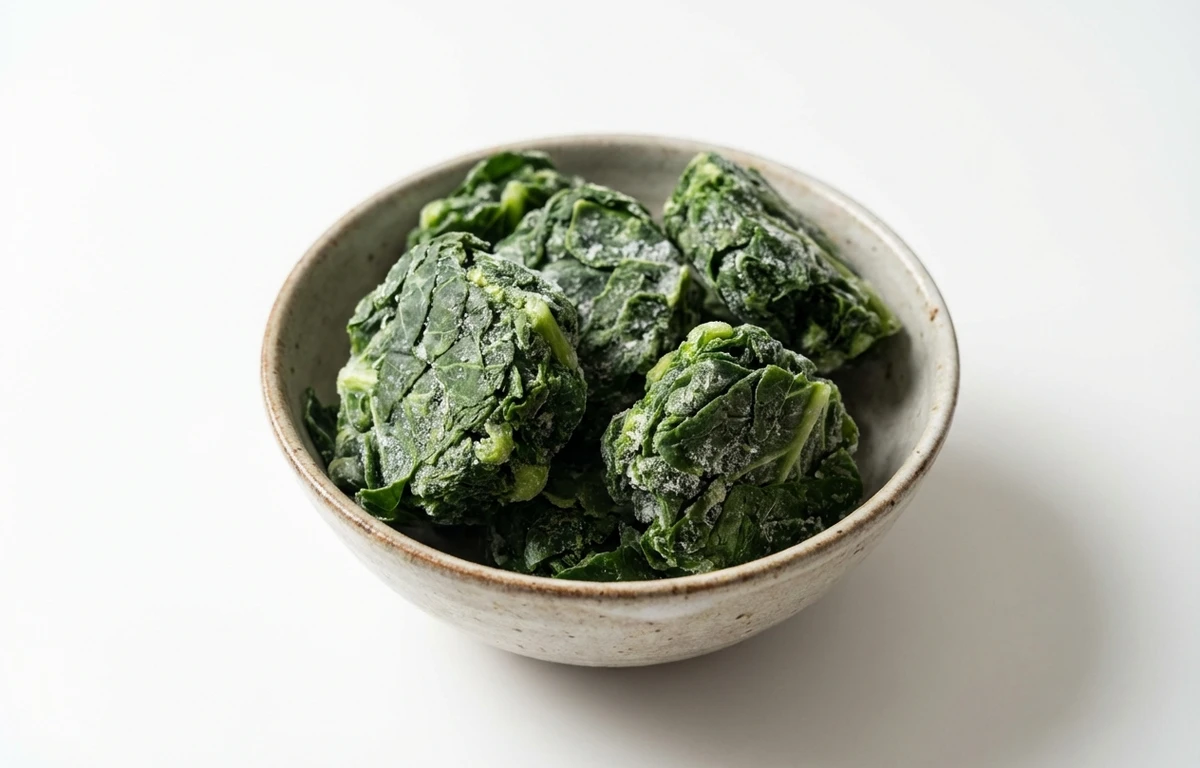
frozen collard greens.
VegetarianVeganGluten-freeDairy-freeNut-freePeanut-freeSoy-freeEgg-freeShellfish-freeHoney-freeAlcohol-free
SERVING
CALORIES
32
PROTEIN
2.5g
CARBS
5.6g
FAT
0.50g
FIBER
3.8g
This ingredient is flagged as naturally gluten-free. Per 100 g, it provides 440 µg of vitamin K.
NUTRITION PROFILE · per 100 g
Everything in this ingredient.
MACRONUTRIENTS
Calories32kcal—
Protein2.5g5%
Carbohydrates5.6g2%
Fiber3.8g14%
Sugar0.50g1%
Total fat0.50g1%
Saturated fat0.10g1%
Trans fat0g—
Cholesterol0mg0%
Water90.2g—
MINERALS
Sodium25mg1%
Potassium169mg4%
Calcium141mg11%
Iron1.1mg6%
Magnesium18mg4%
Phosphorus28mg2%
Zinc0.20mg2%
Copper0.05mg6%
Manganese0.30mg13%
Selenium0.80µg1%
VITAMINS
Vitamin A380µg42%
Vitamin C18.2mg20%
Vitamin D0µg0%
Vitamin E1.5mg10%
Vitamin K440µg367%
Thiamin (B1)0.05mg4%
Riboflavin (B2)0.10mg8%
Niacin (B3)0.50mg3%
Pantothenic acid (B5)0.20mg4%
Vitamin B60.15mg9%
Folate (B9)60µg15%
Vitamin B120µg0%
%DV based on a 2,000 cal diet. Source: USDA FoodData Central. A dash in the %DV column means there’s no established Daily Value for that nutrient.
MEASUREMENT CONVERSIONS
How much is what.
1 cup160g
1 tablespoon10g
1 teaspoon3.3g
1 ml0.7g
1 liter666.7g
HEALTH BENEFITS
Why eat it.
- ✓High in dietary fiber, which promotes digestive regularity and can help manage cholesterol levels.
COOKING TIPS
In the kitchen.
- 1Cook directly from frozen; there is no need to thaw, which helps retain texture and nutrients.
- 2Frozen collards cook much faster than fresh ones. Simmer for about 15-20 minutes until tender.
- 3Squeeze out excess moisture after cooking to avoid a watery final dish, especially when adding to casseroles or quiches.
- 4Enhance flavor by simmering with smoked meats (like turkey wings or ham hocks), garlic, onions, and a splash of vinegar to balance the bitterness.
STORAGE
Keep it fresh.
- Store in the freezer at 0°F (-18°C) or below in its original, unopened packaging.
- Once opened, transfer to an airtight, freezer-safe bag or container to prevent freezer burn and use within 8-12 months for best quality.
FAQ
Frequently asked questions.
How many calories and carbs are in frozen collard greens?
Per 100g, frozen collard greens are low in calories, containing approximately 32 calories. They provide about 5.6g of carbohydrates, with a good portion of that being dietary fiber, and 2.5g of protein.
Are frozen collard greens suitable for a vegan or vegetarian diet?
Yes, frozen collard greens are 100% plant-based and are an excellent addition to both vegan and vegetarian diets. They offer valuable nutrients without any animal products.
Are frozen collard greens gluten-free?
Yes, plain frozen collard greens are naturally gluten-free. Always check the ingredient label if purchasing seasoned or sauced varieties, as additives could contain gluten.
Are frozen collard greens keto-friendly?
Yes, frozen collard greens can be considered keto-friendly in moderation. With about 5.6g of carbs per 100g (and a good amount of fiber), they are a low-carb vegetable that fits well into a ketogenic diet when portioned appropriately.
What's the best way to cook frozen collard greens?
Frozen collard greens are best cooked by simmering or braising. You can sauté them with garlic and onion, then add a bit of broth or water and simmer until tender, typically 15-20 minutes. They also work well in soups and stews.
Do frozen collard greens need to be thawed before cooking?
No, frozen collard greens do not typically need to be thawed before cooking. You can add them directly to a pot or pan, and they will thaw and cook down as they heat. This makes them very convenient for quick meal preparation.
Do frozen collard greens lose nutrients compared to fresh?
Generally, frozen collard greens retain most of their nutritional value. Vegetables are often flash-frozen at their peak freshness, which helps lock in vitamins and minerals. In some cases, they can even be more nutritious than 'fresh' produce that has traveled long distances and sat on shelves.



















