
Other
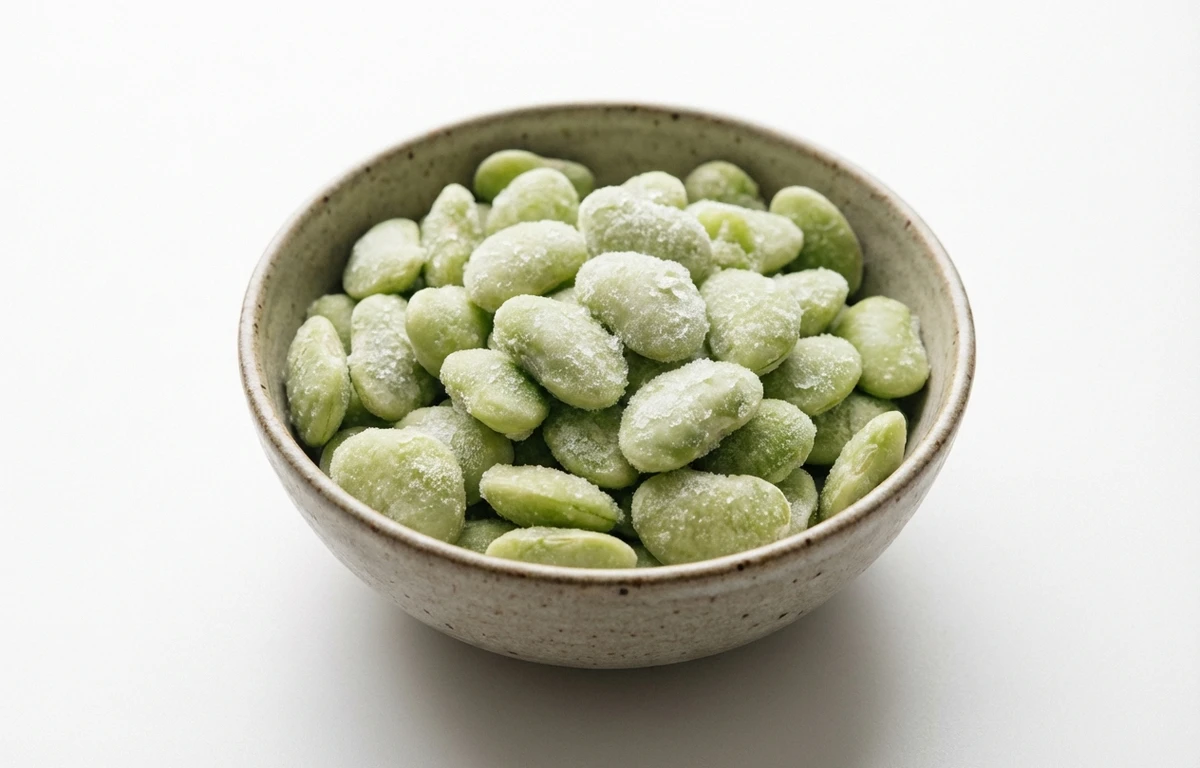
frozen lima beans.
VegetarianVeganGluten-freeDairy-freeNut-freePeanut-freeSoy-freeEgg-freeShellfish-freeHoney-freeAlcohol-free
ALSO KNOWN AS
frozen butter beansfrozen chad beansfrozen sieva beansfrozen madagascar beans
SERVING
CALORIES
115
PROTEIN
6.8g
CARBS
20.9g
FAT
0.40g
FIBER
5.4g
This ingredient is flagged as naturally gluten-free. Per 100 g, it provides 6.0 µg of vitamin K.
NUTRITION PROFILE · per 100 g
Everything in this ingredient.
MACRONUTRIENTS
Calories115kcal—
Protein6.8g14%
Carbohydrates20.9g8%
Fiber5.4g19%
Sugar1.5g3%
Total fat0.40g1%
Saturated fat0.10g1%
Trans fat0g—
Cholesterol0mg0%
Water70.2g—
MINERALS
Sodium28mg1%
Potassium430mg9%
Calcium32mg2%
Iron2.4mg13%
Magnesium43mg10%
Phosphorus110mg9%
Zinc0.60mg5%
Copper0.20mg22%
Manganese0.50mg22%
Selenium1.2µg2%
VITAMINS
Vitamin A15µg2%
Vitamin C10.1mg11%
Vitamin D0µg0%
Vitamin E0.20mg1%
Vitamin K6.0µg5%
Thiamin (B1)0.16mg13%
Riboflavin (B2)0.06mg5%
Niacin (B3)1.3mg8%
Pantothenic acid (B5)0.20mg4%
Vitamin B60.16mg9%
Folate (B9)45µg11%
Vitamin B120µg0%
%DV based on a 2,000 cal diet. Source: USDA FoodData Central. A dash in the %DV column means there’s no established Daily Value for that nutrient.
MEASUREMENT CONVERSIONS
How much is what.
1 cup170g
1 tablespoon15.8g
1 teaspoon5.3g
1 oz28.4g
1 lb453.6g
1 ml1.1g
1 liter1050g
1 piece1.5g
HEALTH BENEFITS
Why eat it.
- ✓Excellent source of plant-based protein for muscle maintenance
- ✓Contains potassium and magnesium which are essential for heart health
COOKING TIPS
In the kitchen.
- 1Cook directly from frozen; there is no need to thaw them before boiling or steaming
- 2Avoid overcooking to maintain a firm, buttery texture and prevent them from becoming mushy
- 3Add to soups, stews, or succotash during the last 10-15 minutes of cooking
STORAGE
Keep it fresh.
- Keep frozen at 0°F (-18°C) or below in their original airtight packaging
- Once opened, reseal the bag tightly or transfer to a freezer-safe container to prevent freezer burn
- For best quality, consume within 8 to 12 months of purchase
FAQ
Frequently asked questions.
How long do frozen lima beans last in the freezer?
They maintain peak quality for 8 to 12 months if kept at a constant 0°F, though they remain safe to eat indefinitely if continuously frozen.
Do I need to thaw frozen lima beans before cooking?
No, it is best to cook them directly from frozen to preserve their texture and nutritional value.
What is a good substitute for frozen lima beans?
Edamame, fava beans, or cannellini beans are the best substitutes due to their similar size and creamy texture.
Are frozen lima beans as nutritious as fresh ones?
Yes, they are usually flash-frozen shortly after harvest, which locks in most of their vitamins and minerals, making them comparable to fresh.
Can you eat frozen lima beans raw?
No, lima beans must be cooked because they contain linamarin, which can release cyanide; cooking neutralizes this compound.
How can I tell if frozen lima beans have gone bad?
Look for heavy ice crystals (freezer burn), a shriveled appearance, or a dull color. If they have an off-smell after thawing, discard them.
What are the best ways to season lima beans?
They pair well with butter, garlic, lemon juice, smoked paprika, or fresh herbs like parsley and dill.
Are frozen lima beans high in protein?
Yes, they provide about 7 grams of protein per 100g serving, making them an excellent plant-based protein source.
What is the difference between baby lima beans and regular lima beans?
Baby lima beans are smaller, milder in flavor, and have a thinner skin compared to the larger, starchier Fordhook variety.



















