Other10 recipes
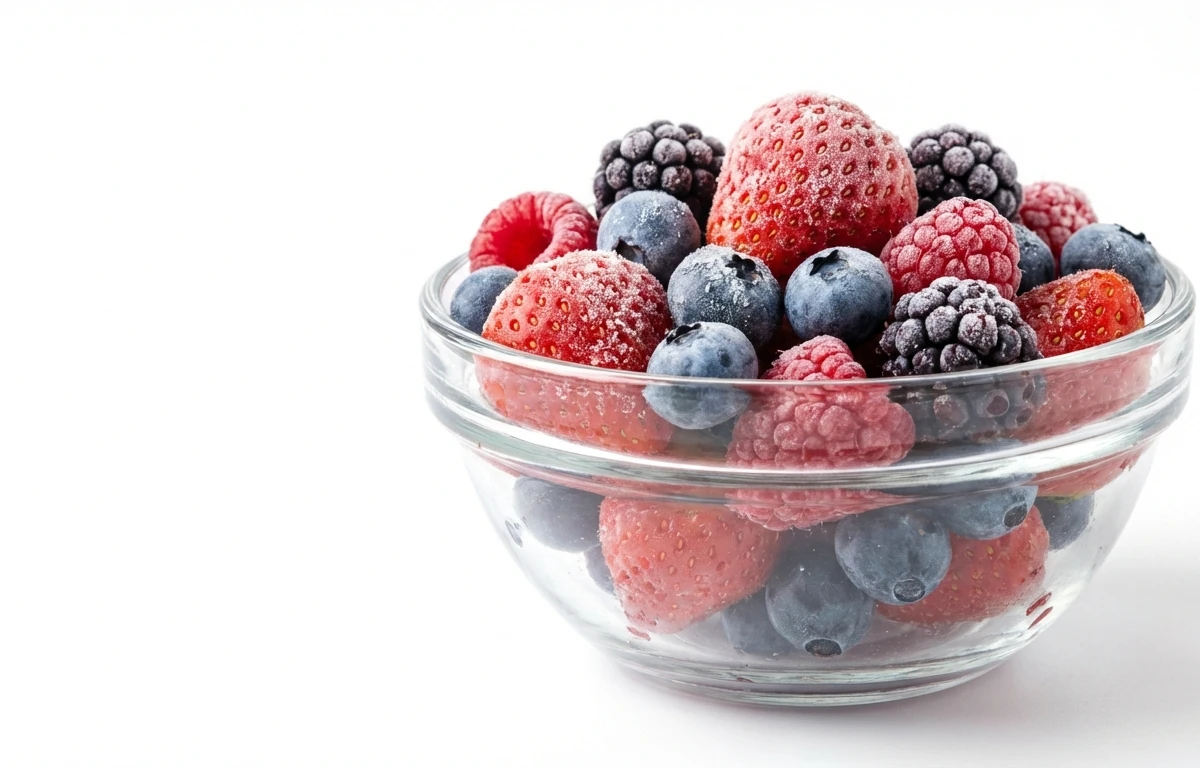
frozen mixed berries.
VegetarianVeganGluten-freeDairy-freeNut-freePeanut-freeSoy-freeEgg-freeShellfish-freeHoney-freeAlcohol-free
ALSO KNOWN AS
mixed berries frozenberries
SERVING
CALORIES
50
PROTEIN
0.80g
CARBS
12g
FAT
0.50g
FIBER
4.2g
This ingredient is flagged as naturally gluten-free. Per 100 g, it provides 8.0 µg of vitamin K.
NUTRITION PROFILE · per 100 g
Everything in this ingredient.
MACRONUTRIENTS
Calories50kcal—
Protein0.80g2%
Carbohydrates12g4%
Fiber4.2g15%
Sugar7.2g14%
Total fat0.50g1%
Saturated fat0g0%
Cholesterol0mg0%
MINERALS
Sodium2.0mg0%
Potassium100mg2%
Calcium25mg2%
Iron0.40mg2%
Magnesium13mg3%
Phosphorus20mg2%
Zinc0.15mg1%
Copper0.07mg8%
Manganese0.30mg13%
Selenium0.10µg0%
VITAMINS
Vitamin A7.0µg1%
Vitamin C25mg28%
Vitamin D0µg0%
Vitamin E0.50mg3%
Vitamin K8.0µg7%
Thiamin (B1)0.03mg3%
Riboflavin (B2)0.04mg3%
Niacin (B3)0.35mg2%
Pantothenic acid (B5)0.15mg3%
Vitamin B60.06mg4%
Folate (B9)18µg5%
Vitamin B120µg0%
%DV based on a 2,000 cal diet. Source: USDA FoodData Central. A dash in the %DV column means there’s no established Daily Value for that nutrient.
MEASUREMENT CONVERSIONS
How much is what.
1 cup145g
1 tablespoon15g
1 teaspoon5g
1 ml0.9g
1 liter1000g
HEALTH BENEFITS
Why eat it.
- ✓May support brain health and improve memory due to the presence of flavonoids.
COOKING TIPS
In the kitchen.
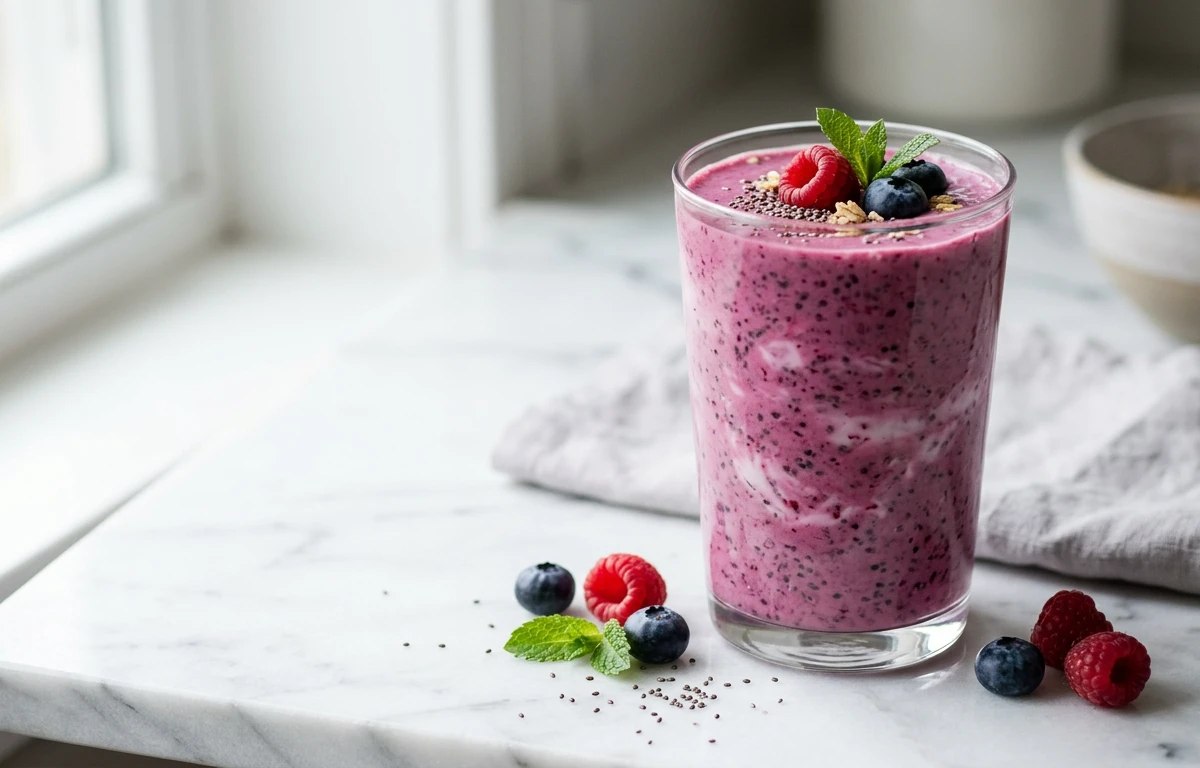
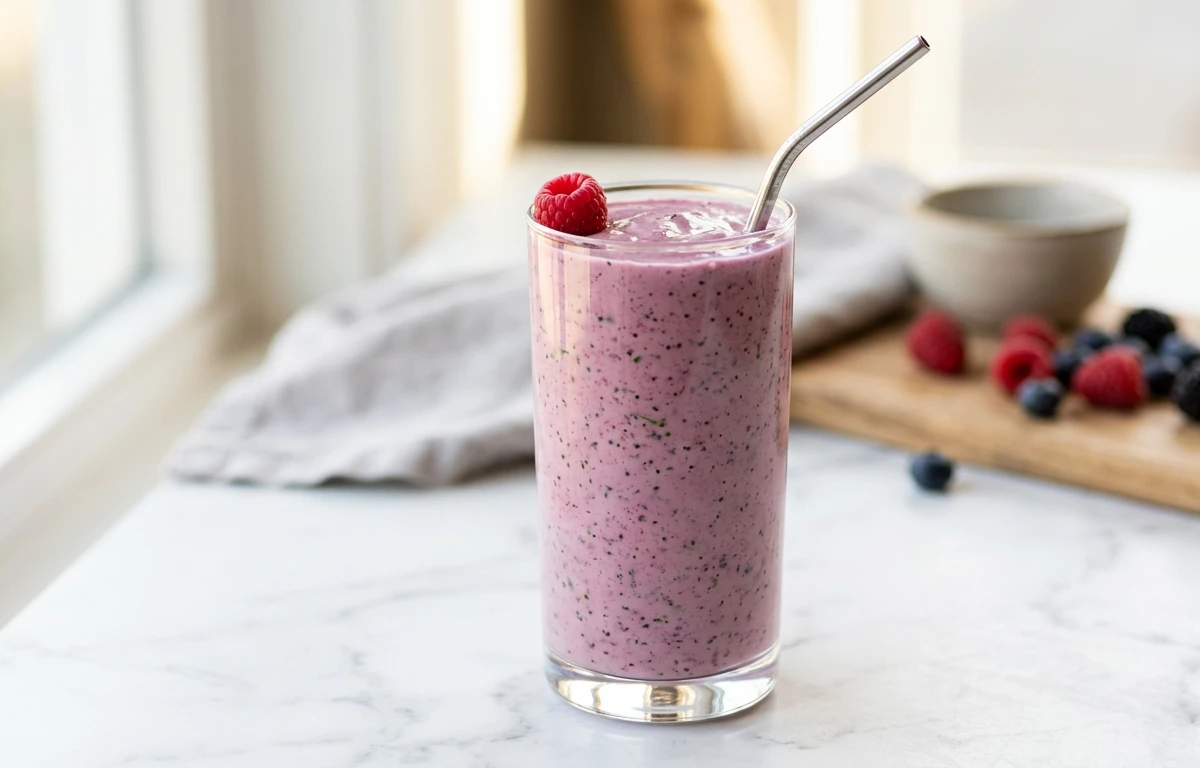
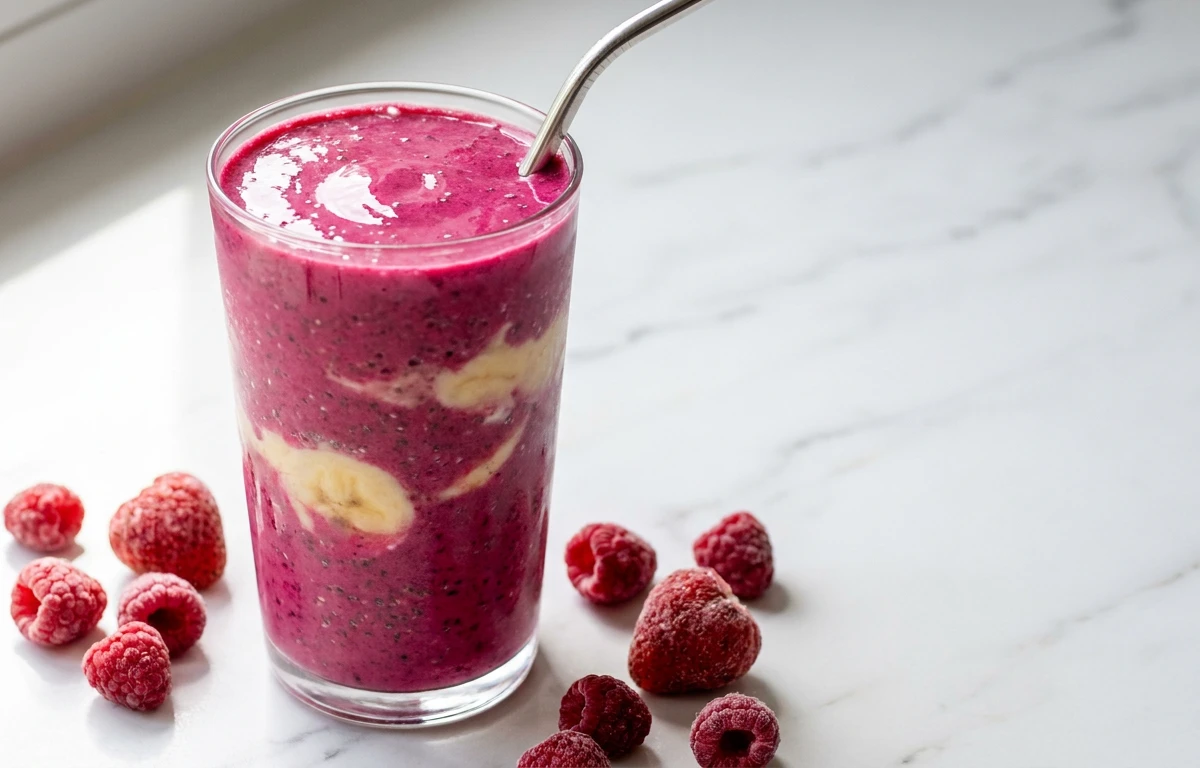
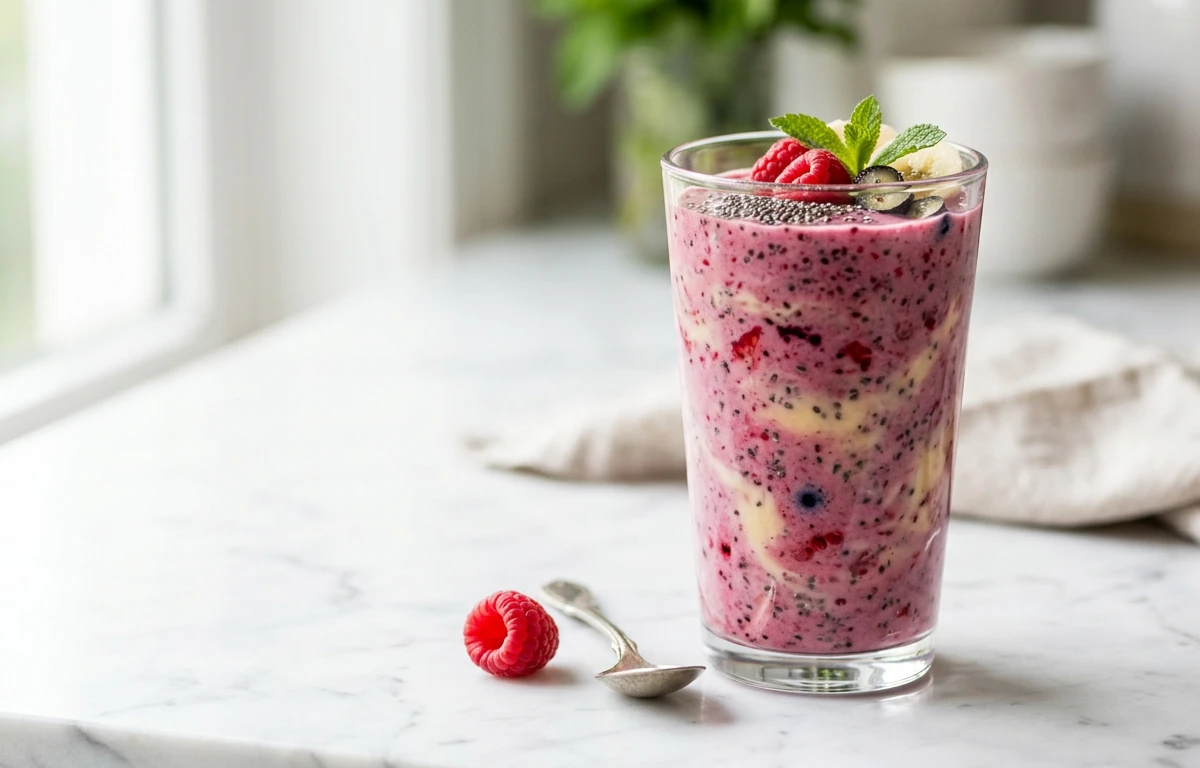
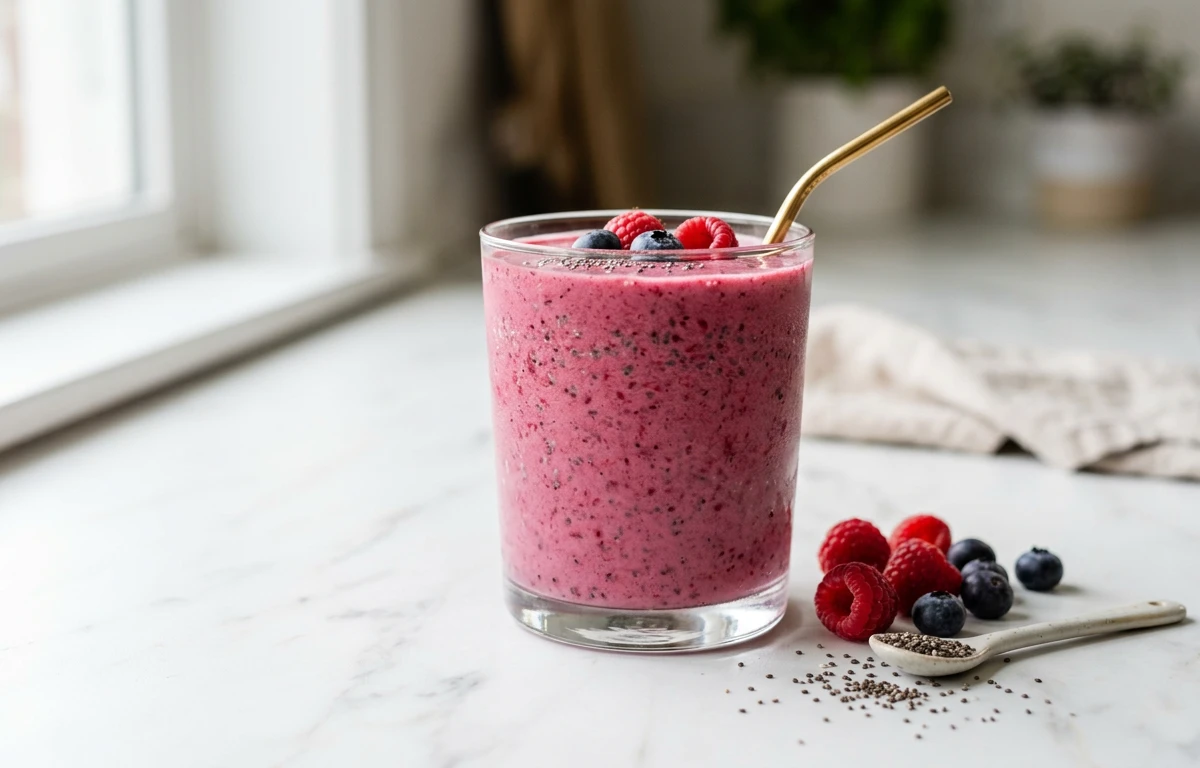
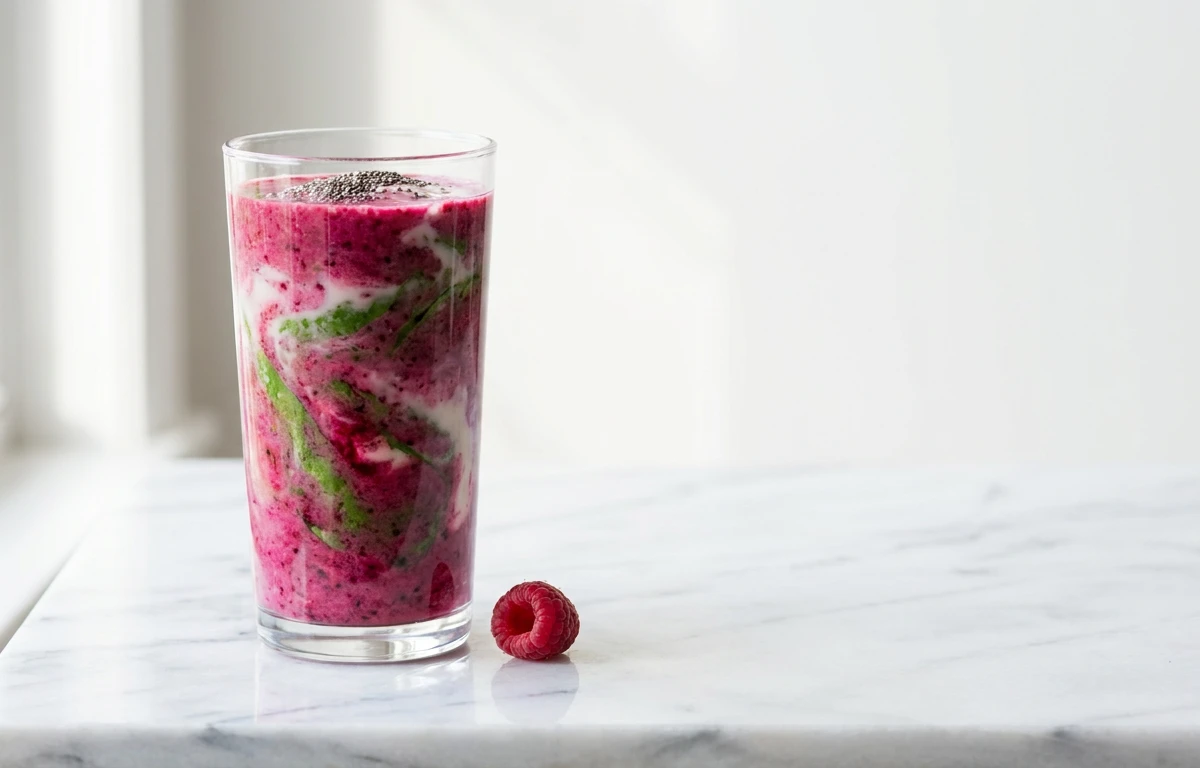
- 1For smoothies, add berries directly from the freezer to create a thick, ice-cold texture without needing extra ice.
- 2When baking muffins or cakes, toss frozen berries in a tablespoon of flour before adding to the batter to prevent them from sinking to the bottom.
- 3Create a quick fruit compote by simmering frozen berries in a saucepan with a small amount of sugar or maple syrup and a squeeze of lemon juice.
- 4If using as a topping for yogurt or oatmeal, thaw them slightly in the microwave for 30-60 seconds to release their juices.
STORAGE
Keep it fresh.
- Keep stored in the freezer at or below 0°F (-18°C) to maintain quality and prevent spoilage.
- Store in the original resealable bag or an airtight container to prevent freezer burn and absorption of other freezer odors.
- For best quality, use within 8-12 months of purchase.
FAQ
Frequently asked questions.
How many calories and carbs are in frozen mixed berries?
Per 100g, frozen mixed berries contain approximately 50 calories and 12g of carbohydrates. They are low in fat (around 0.5g) and provide a small amount of protein (about 0.8g), making them a nutrient-dense, low-calorie fruit option.
Are frozen mixed berries keto-friendly?
While berries are generally lower in carbs than many other fruits, 100g of frozen mixed berries contains about 12g of carbohydrates. This might be too high for strict ketogenic diets, but small portions could fit into a less restrictive low-carb plan.
Are frozen mixed berries gluten-free and vegan?
Yes, plain frozen mixed berries are naturally gluten-free and vegan, as they consist solely of fruit. Always check the ingredient list on the packaging to ensure no additional ingredients, such as added sugars or preservatives, have been included.
What are the best ways to use frozen mixed berries?
Frozen mixed berries are incredibly versatile. They are perfect for smoothies, adding to oatmeal or yogurt, baking into muffins, pies, or crumbles, and making sauces or jams. You can also thaw them and enjoy them as a simple snack or topping.
Do I need to thaw frozen mixed berries before using them?
It depends on your recipe. For smoothies or baking, you can often use them directly from frozen. If you plan to eat them raw, add them to a salad, or use them as a topping where a softer texture is desired, thawing them in the refrigerator or at room temperature is recommended.
How long do frozen mixed berries last in the freezer?
When stored properly in a sealed bag or container, frozen mixed berries can maintain their quality for 8-12 months in a standard freezer. While they may still be safe to eat beyond this period, their texture and flavor might start to degrade.
How do I know if frozen mixed berries have gone bad?
Signs of spoilage include large ice crystals (indicating thawing and refreezing), freezer burn, an off-smell, or visible mold. If the berries appear discolored, shriveled, or have a slimy texture after thawing, it's best to discard them.
RECIPES
Cook with frozen mixed berries.
10 recipes · sorted by what’s quick