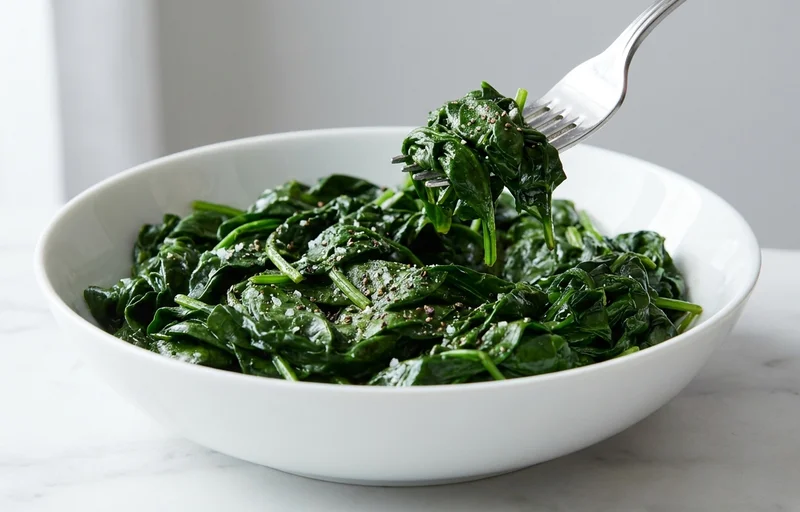
Vegetable1 recipes
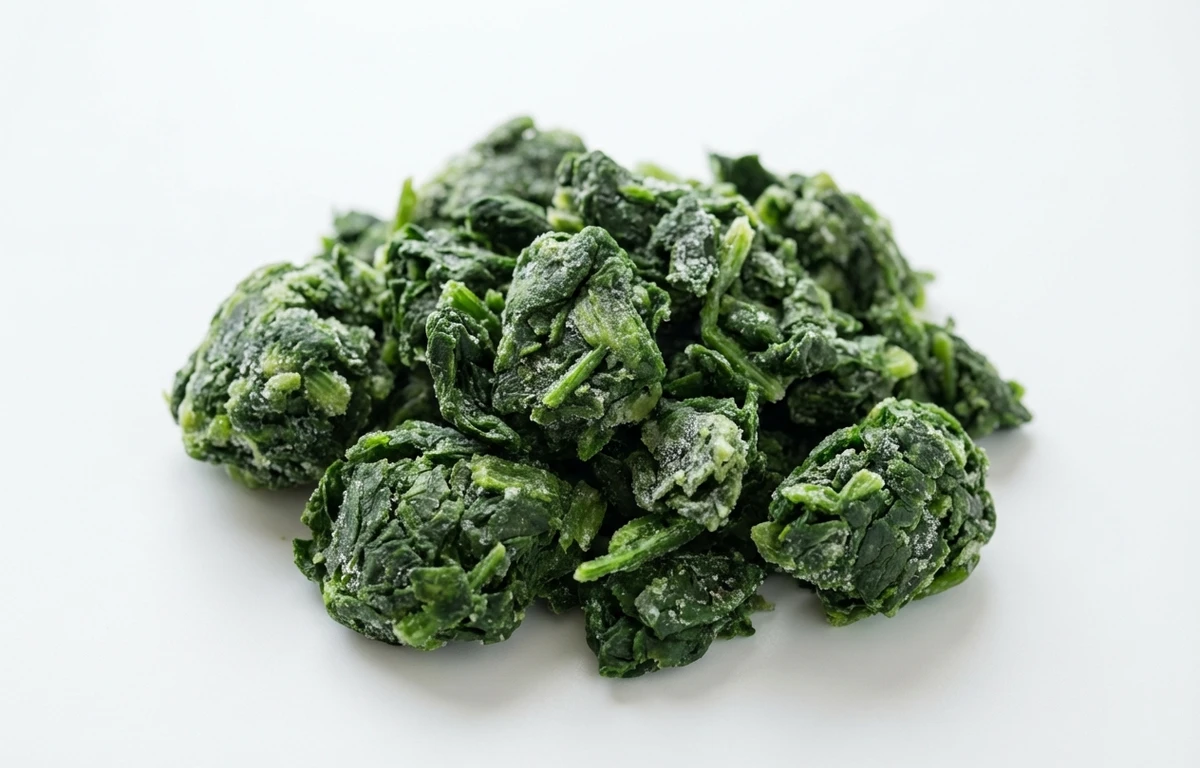
frozen spinach.
VegetarianVeganGluten-freeDairy-freeNut-freePeanut-freeSoy-freeEgg-freeShellfish-freeHoney-freeAlcohol-free
ALSO KNOWN AS
frozen chopped spinachfrozen palakfrozen spinachchopped frozen spinachfrozen cut spinach
SERVING
CALORIES
36
PROTEIN
3.6g
CARBS
4.2g
FAT
0.57g
FIBER
2.9g
This ingredient is flagged as naturally gluten-free. Per 100 g, it provides 372 µg of vitamin K.
NUTRITION PROFILE · per 100 g
Everything in this ingredient.
MACRONUTRIENTS
Calories36.5kcal—
Protein3.6g7%
Carbohydrates4.2g2%
Fiber2.9g10%
Sugar0.65g1%
Total fat0.57g1%
Saturated fat0.04g0%
Trans fat0g—
Cholesterol0mg0%
Water90.2g—
MINERALS
Sodium74mg3%
Potassium346mg7%
Calcium129mg10%
Iron1.9mg11%
Magnesium75mg18%
Phosphorus49mg4%
Zinc0.56mg5%
Copper0.14mg16%
Manganese0.70mg30%
Selenium6.0µg11%
VITAMINS
Vitamin A586µg65%
Vitamin C5.5mg6%
Vitamin D0µg0%
Vitamin E2.9mg19%
Vitamin K372µg310%
Thiamin (B1)0.09mg8%
Riboflavin (B2)0.22mg17%
Niacin (B3)0.51mg3%
Pantothenic acid (B5)0.09mg2%
Vitamin B60.17mg10%
Folate (B9)145µg36%
Vitamin B120µg0%
%DV based on a 2,000 cal diet. Source: USDA FoodData Central. A dash in the %DV column means there’s no established Daily Value for that nutrient.
MEASUREMENT CONVERSIONS
How much is what.
1 cup156g
1 tablespoon9.8g
1 teaspoon3.3g
1 oz28.4g
1 lb453.6g
1 ml0.7g
1 liter650g
HEALTH BENEFITS
Why eat it.
- ✓Contains nitrates that can help moderate blood pressure levels and improve cardiovascular health.
COOKING TIPS
In the kitchen.
- 1Thaw and squeeze out as much excess water as possible before adding to recipes like dips, quiches, or fillings to avoid a watery consistency.
- 2Add frozen spinach directly to hot soups, stews, and sauces near the end of the cooking time; it will thaw and cook quickly.
- 3For a quick side dish, sauté thawed and squeezed spinach with garlic, olive oil, and a pinch of red pepper flakes.
- 4Blend chunks of frozen spinach directly into smoothies for a nutrient boost without significantly affecting the taste.
STORAGE
Keep it fresh.
- Store in the freezer at or below 0°F (-18°C) until the expiration date.
- Once opened, press out excess air from the bag and reseal tightly to prevent freezer burn. Use within a few months for best quality.
- Do not refreeze spinach after it has been thawed, as this will result in a significant loss of texture and quality.
FAQ
Frequently asked questions.
How much protein and calories are in frozen spinach?
Per 100g, frozen spinach contains approximately 29 calories and 3.63g of protein. It's a low-calorie, nutrient-dense vegetable that contributes to your daily protein intake, especially for a plant-based food.
Is frozen spinach vegan and gluten-free?
Yes, plain frozen spinach is naturally vegan and gluten-free. It consists solely of spinach leaves, making it suitable for those following plant-based diets or avoiding gluten. Always check the ingredient list for any added sauces or seasonings if purchasing flavored varieties.
Is frozen spinach keto-friendly?
Yes, frozen spinach is very keto-friendly. With only about 4.21g of carbohydrates per 100g, it's a low-carb vegetable that can be easily incorporated into ketogenic diets to add nutrients and fiber without significantly impacting carb limits.
What can I use frozen spinach for?
Frozen spinach is incredibly versatile. It's excellent in pasta dishes, quiches, frittatas, dips (like spinach and artichoke dip), smoothies, and as a convenient side dish. Its pre-chopped nature makes it ideal for quick meal preparation.
How long does frozen spinach last?
Properly stored in the freezer, frozen spinach can last for 8-12 months while maintaining optimal quality. It will remain safe to eat beyond that time, but its texture and nutritional quality may start to degrade.
Does frozen spinach contain oxalates like fresh spinach?
Yes, frozen spinach still contains oxalates, which are naturally occurring compounds found in many plants. Blanching, a common step before freezing, can reduce oxalate levels slightly, but they are not entirely removed. For individuals sensitive to oxalates, moderation is key.
RECIPES
Cook with frozen spinach.
1 recipes · sorted by what’s quick