
Fruit
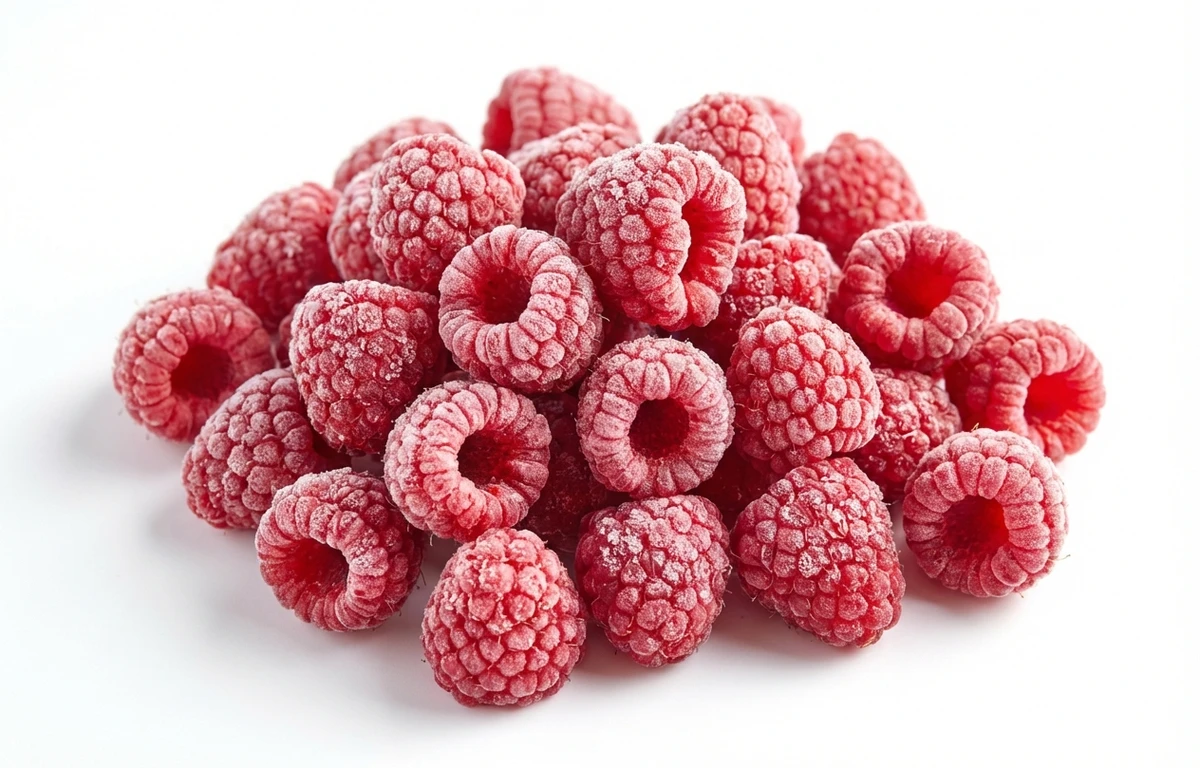
frozen unsweetened raspberries.
VegetarianVeganGluten-freeDairy-freeNut-freePeanut-freeSoy-freeEgg-freeShellfish-freeHoney-freeAlcohol-free
ALSO KNOWN AS
raspberry
SERVING
CALORIES
56
PROTEIN
1.1g
CARBS
12.6g
FAT
0.81g
FIBER
4.3g
NUTRITION PROFILE · per 100 g
Everything in this ingredient.
MACRONUTRIENTS
Calories56kcal—
Protein1.1g2%
Carbohydrates12.6g5%
Fiber4.3g15%
Sugar6.5g13%
Total fat0.81g1%
Saturated fat0.06g0%
Trans fat0g—
Cholesterol0mg0%
Water85g—
MINERALS
Sodium4.0mg0%
Potassium184mg4%
Calcium24mg2%
Iron0.76mg4%
Magnesium23mg5%
Phosphorus30mg2%
Zinc0.31mg3%
Copper0.09mg10%
Manganese0.61mg27%
VITAMINS
Vitamin A4.0µg0%
Vitamin C17.6mg20%
Vitamin D0µg0%
Vitamin E0.75mg5%
Thiamin (B1)0.09mg8%
Riboflavin (B2)0.10mg8%
Niacin (B3)0.68mg4%
Pantothenic acid (B5)0.40mg8%
Vitamin B60.06mg4%
Folate (B9)28µg7%
Vitamin B120µg0%
%DV based on a 2,000 cal diet. Source: USDA FoodData Central. A dash in the %DV column means there’s no established Daily Value for that nutrient.
MEASUREMENT CONVERSIONS
How much is what.
1 cup140g
1 tablespoon8.8g
1 teaspoon2.9g
1 ml0.6g
1 liter583.3g
HEALTH BENEFITS
Why eat it.
- ✓Rich in antioxidants, such as vitamin C and anthocyanins, which help protect cells from oxidative damage.
- ✓High in dietary fiber, promoting digestive health, regular bowel movements, and blood sugar control.
- ✓Good source of essential nutrients including manganese, which is vital for bone health and metabolism, and vitamin K.
- ✓May possess anti-inflammatory properties that can help reduce the risk of chronic diseases.
COOKING TIPS
In the kitchen.
- 1Add directly from the freezer to smoothies for a thick, icy consistency without watering down the drink.
- 2For baking in muffins or cakes, toss frozen raspberries with a tablespoon of flour to prevent them from sinking to the bottom and bleeding color into the batter.
- 3Create a quick sauce or compote by simmering frozen raspberries with a little water and sweetener until they break down.
- 4Thaw slightly before folding into yogurt, oatmeal, or chia pudding for a burst of flavor and color.
STORAGE
Keep it fresh.
- Store in the original packaging or an airtight container in the freezer at 0°F (-18°C) or below for up to 10-12 months.
- To prevent clumping, spread raspberries on a baking sheet to freeze individually before transferring to a bag.
- Once thawed, keep refrigerated in a covered container and consume within 2 days; do not refreeze for best texture.
FAQ
Frequently asked questions.
Are frozen unsweetened raspberries healthy?
Yes, frozen unsweetened raspberries are very healthy. They are packed with antioxidants like vitamin C and anthocyanins, which protect cells from damage. They are also high in dietary fiber, promoting digestive health and helping to regulate blood sugar.
What are the main nutritional benefits of frozen unsweetened raspberries?
Frozen unsweetened raspberries are rich in antioxidants, fiber, and essential nutrients. They provide manganese, vital for bone health and metabolism, and vitamin K. Their anti-inflammatory properties may also contribute to reducing the risk of chronic diseases.
How many carbs and calories are in frozen unsweetened raspberries?
Per 100g, frozen unsweetened raspberries contain approximately 56 calories and 12.55g of carbohydrates. A significant portion of these carbohydrates comes from dietary fiber, making them a good choice for managing blood sugar.
Are frozen unsweetened raspberries good for weight loss?
Yes, frozen unsweetened raspberries can be beneficial for weight loss. They are low in calories (56 per 100g) and high in fiber, which helps you feel full and satisfied. Their natural sweetness can also help curb cravings for less healthy sugary snacks.
Are frozen unsweetened raspberries keto-friendly?
Frozen unsweetened raspberries can be enjoyed in moderation on a keto diet. While they contain 12.55g of total carbs per 100g, a significant portion is fiber (around 6.5g), resulting in about 6g net carbs. This makes them one of the more keto-friendly fruit options.
Can diabetics eat frozen unsweetened raspberries?
Yes, frozen unsweetened raspberries are an excellent fruit choice for diabetics. Their high fiber content helps slow sugar absorption, preventing blood sugar spikes. They also have a low glycemic index, making them a safe and nutritious option.
How should I use frozen unsweetened raspberries in cooking?
Frozen unsweetened raspberries are incredibly versatile. You can add them directly to smoothies, oatmeal, yogurt, or baked goods like muffins and pies. They also make great sauces or purees for desserts and savory dishes.
Do I need to thaw frozen unsweetened raspberries before eating or cooking?
It depends on the use. For smoothies or baking, you can often use them directly from frozen. If you're adding them to yogurt, oatmeal, or making a sauce, thawing them first can improve texture and allow for easier mixing.
How long can I store frozen unsweetened raspberries?
When stored properly in a freezer at 0°F (-18°C) or below, frozen unsweetened raspberries can last for 8-12 months while maintaining their quality. Always ensure the bag is sealed tightly to prevent freezer burn.
Are frozen unsweetened raspberries vegan and gluten-free?
Yes, frozen unsweetened raspberries are naturally both vegan and gluten-free. They are simply whole fruit, with no animal products or gluten-containing ingredients added, making them suitable for these dietary preferences.



















