Loading...
Per 100g
Nutrition data source: USDA FoodData Central
Common measurement equivalents in grams
Fruit preserves provide some vitamins and antioxidants from the fruit base, but they are high in added sugar. While they offer a quick source of energy, they should be consumed in moderation as part of a balanced diet due to their high calorie and carbohydrate content.
A 100g serving of fruit preserves typically contains about 260 calories and 67g of carbohydrates. They are very low in protein (0.5g) and fat (0.1g), making them a concentrated source of simple sugars.
Most fruit preserves are vegan because they are made from fruit, sugar, and pectin, which is a plant-derived fiber. However, you should check the label for honey or gelatin, though these ingredients are rarely used in standard commercial preserves.
Yes, fruit preserves are naturally gluten-free. The core ingredients—fruit, sugar, and pectin—do not contain gluten, making them safe for individuals with celiac disease or gluten sensitivities.
Diabetics should be cautious with fruit preserves due to the high sugar content (67g of carbs per 100g). It is generally recommended to opt for 'no sugar added' varieties or to strictly limit portion sizes to avoid blood sugar spikes.
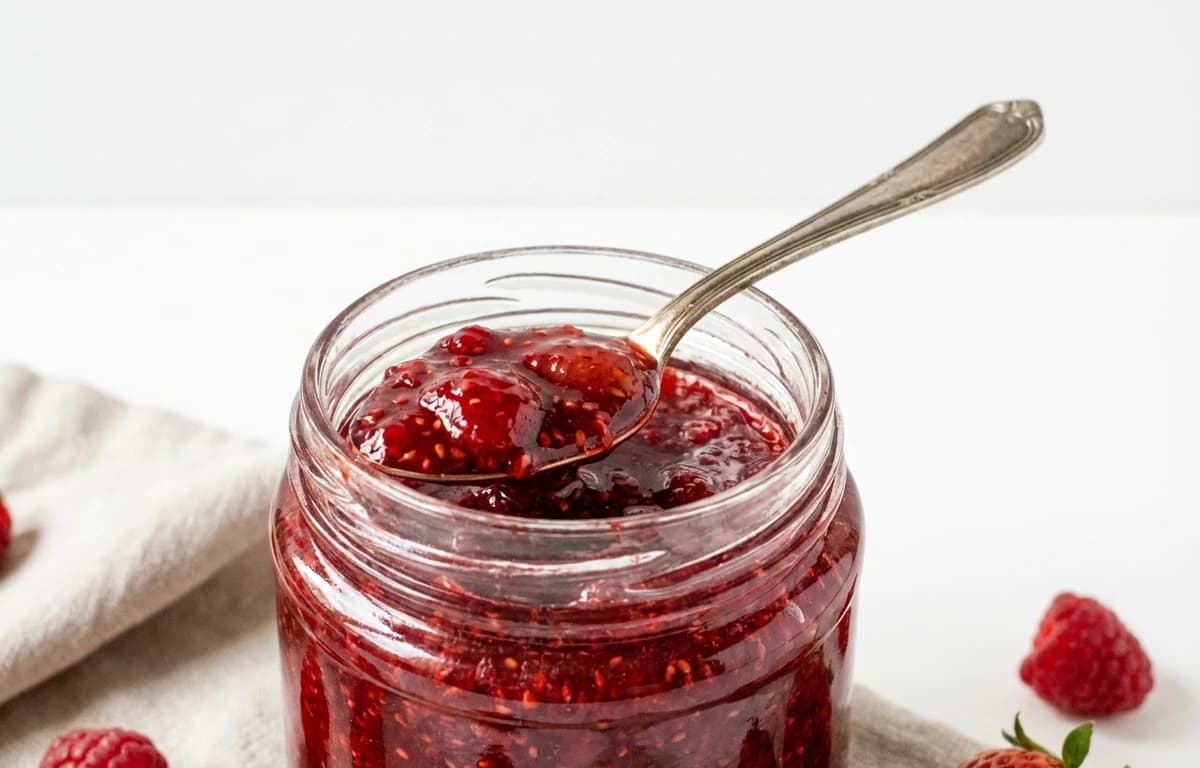
The main difference is the fruit's texture: preserves contain large chunks or whole pieces of fruit, jam is made from crushed or pureed fruit, and jelly is made only from fruit juice. Preserves offer the most fruit-forward texture of the three.
Beyond toast, fruit preserves are excellent as a glaze for roasted meats like ham or chicken, a filling for thumbprint cookies and pastries, or a sweetener for yogurt and oatmeal. They can also be whisked into vinaigrettes for a fruity salad dressing.
Fruit Preserves is a versatile ingredient found in cuisines around the world. With 260 calories per 100g and 0.5 grams of protein, it's a nutritious addition to many dishes.
Explore more ingredients in the fruit product category with complete nutrition information.
View all fruit product →Discover 1 recipes featuring fruit preserves with step-by-step instructions.
Browse recipes →Unopened jars should be stored in a cool, dark place for up to 12 months. Once opened, they must be refrigerated and are typically best consumed within 6 to 12 months for the best flavor and quality.
Check for any visible mold on the surface, a fermented or sour smell, or an unusually thin, watery consistency. If the jar lid is bulging or the seal was broken before you opened it, discard the product immediately.
Because they are calorie-dense and high in sugar, fruit preserves are not ideal for weight loss. If you are monitoring your weight, use them sparingly as a flavor enhancer rather than a primary ingredient.