
Spice10 recipes
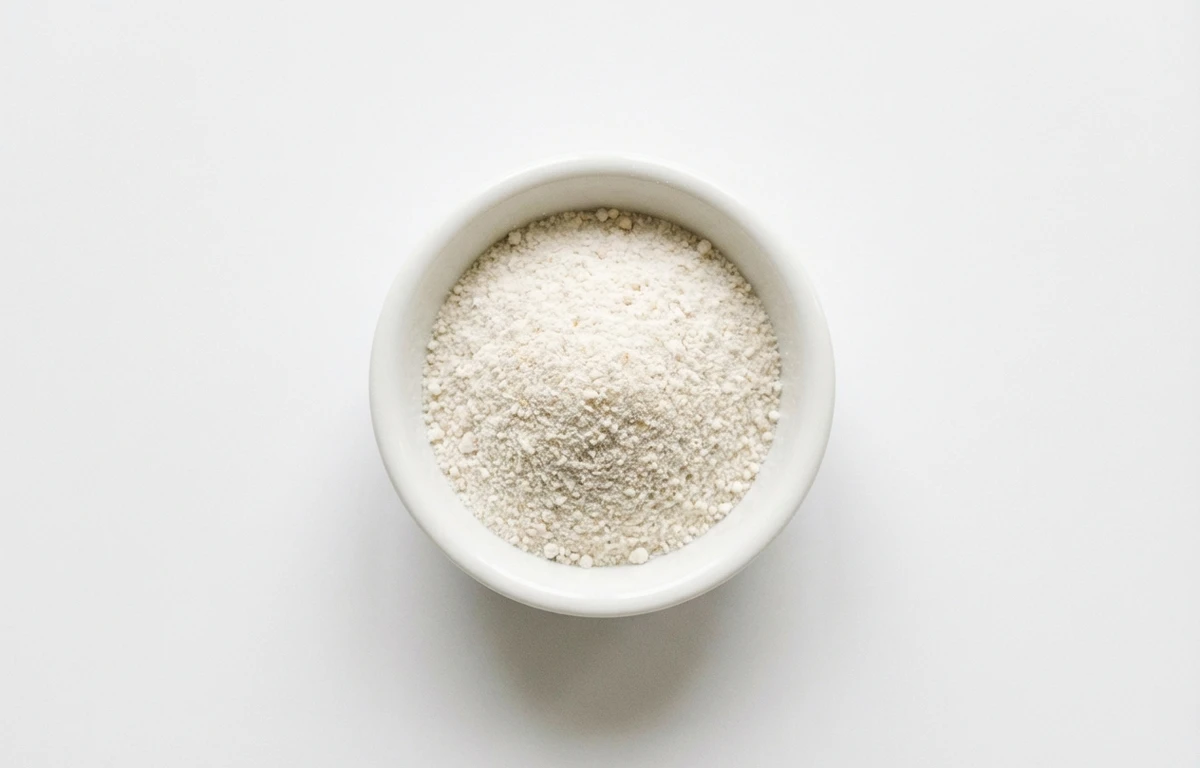
fruit salt leavening.
VegetarianVeganGluten-freeDairy-freeNut-freePeanut-freeSoy-freeEgg-freeShellfish-freeHoney-freeAlcohol-free
ALSO KNOWN AS
eno fruit saltfruit saltEnoफ्रूट सॉल्टईनोdigestive fruit salt
SERVING
CALORIES
109
PROTEIN
0g
CARBS
28g
FAT
0g
FIBER
0g
NUTRITION PROFILE · per 100 g
Everything in this ingredient.
MACRONUTRIENTS
Calories109kcal—
Protein0g0%
Carbohydrates28g10%
Fiber0g0%
Sugar0g0%
Total fat0g0%
Saturated fat0g0%
Trans fat0g—
Cholesterol0mg0%
Water0g—
MINERALS
Sodium16940mg737%
Potassium0mg0%
Calcium0mg0%
Iron0mg0%
VITAMINS
Vitamin A0µg0%
Vitamin C0mg0%
Vitamin D0µg0%
%DV based on a 2,000 cal diet. Source: USDA FoodData Central. A dash in the %DV column means there’s no established Daily Value for that nutrient.
MEASUREMENT CONVERSIONS
How much is what.
1 cup240g
1 tablespoon15g
1 teaspoon5g
1 ml1g
1 liter1000g
HEALTH BENEFITS
Why eat it.
- ✓Provides rapid, temporary relief from heartburn and acid indigestion by neutralizing stomach acid.
- ✓Its effervescent action can help alleviate feelings of bloating and fullness after meals.
- ✓Acts as a fast-acting leavening agent, allowing for yeast-free preparations of foods like dhokla, which can be suitable for those with yeast sensitivities.
COOKING TIPS
In the kitchen.
- 1Add fruit salt to the batter at the very end, just before steaming or baking, as its leavening action starts immediately upon contact with liquid.
- 2Do not overmix the batter after adding fruit salt; a gentle, quick fold is sufficient to incorporate it without losing the trapped gas.
- 3It is primarily used in Indian recipes like dhokla, idli, and handvo to create a light, spongy texture without a lengthy fermentation process.
- 4Using too much fruit salt can result in a soapy or slightly bitter aftertaste and may cause discoloration in the final product.
STORAGE
Keep it fresh.
- Store in a cool, dry place away from moisture and direct sunlight to prevent clumping and preserve its effervescence.
- Keep the container lid tightly sealed after each use, as the powder readily absorbs moisture from the air, which reduces its potency.
FAQ
Frequently asked questions.
What are the health benefits of fruit salt leavening?
Fruit salt leavening offers rapid, temporary relief from heartburn and acid indigestion by neutralizing stomach acid. Its effervescent action can also help alleviate feelings of bloating and fullness after meals. When used in baking, it allows for yeast-free preparations, which can be beneficial for those with yeast sensitivities.
How much nutrition is in fruit salt leavening?
Per 100g, fruit salt leavening contains approximately 109 calories and 28g of carbohydrates, with 0g protein and 0g fat. It's primarily a source of sodium and bicarbonates, not significant macronutrients, and is used in small quantities.
Is fruit salt leavening vegan?
Generally, fruit salt leavening is vegan as its primary ingredients are typically sodium bicarbonate, citric acid, and sometimes sodium carbonate. However, always check the specific product's ingredient list for any non-vegan additives to be certain.
Is fruit salt leavening gluten-free?
Yes, fruit salt leavening itself is typically gluten-free, as its main components (bicarbonates and acids) do not contain gluten. It is a suitable leavening agent for gluten-free baking and can be used in various gluten-free recipes.
Can diabetics use fruit salt leavening?
While fruit salt leavening contains carbohydrates (28g per 100g), it's used in small quantities for leavening or antacid relief, so its impact on blood sugar is usually minimal. However, individuals with diabetes should consult their doctor due to its sodium content and potential interactions with medications.
How is fruit salt leavening used in cooking?
In cooking, fruit salt leavening acts as a fast-acting leavening agent, especially in dishes like dhokla, idli, or pancakes, where it creates a light, fluffy texture. It's typically added to batter just before cooking to activate its effervescent properties, providing an instant rise.
What does fruit salt leavening taste like?
When dissolved, it has a distinct fizzy, slightly salty, and tangy taste due to the rapid reaction of its acidic and alkaline components. In baked goods, its flavor is usually neutralized or masked by other ingredients, contributing mainly to texture rather than taste.
How do you store fruit salt leavening?
Store fruit salt leavening in a cool, dry place, away from moisture and direct sunlight. Keep it in an airtight container to prevent it from absorbing humidity, which can reduce its effectiveness and shelf life.
Is fruit salt leavening the same as baking soda or baking powder?
No, while it contains sodium bicarbonate like baking soda and baking powder, fruit salt leavening also includes citric acid, which reacts immediately upon contact with liquid. This provides a very rapid, strong effervescence, unlike the slower action of baking powder or baking soda alone.
Can fruit salt leavening be used as an antacid?
Yes, many commercial fruit salt products are specifically formulated and marketed as antacids to provide rapid, temporary relief from heartburn, indigestion, and sour stomach. It works by neutralizing excess stomach acid through its effervescent action.
RECIPES
Cook with fruit salt leavening.
10 recipes · sorted by what’s quick



















