
Dairy10 recipes
full-fat coconut milk.
VegetarianVeganGluten-freeDairy-freeNut-freePeanut-freeSoy-freeEgg-freeShellfish-freeHoney-freeAlcohol-free
ALSO KNOWN AS
thick coconut milkfirst press coconut milk
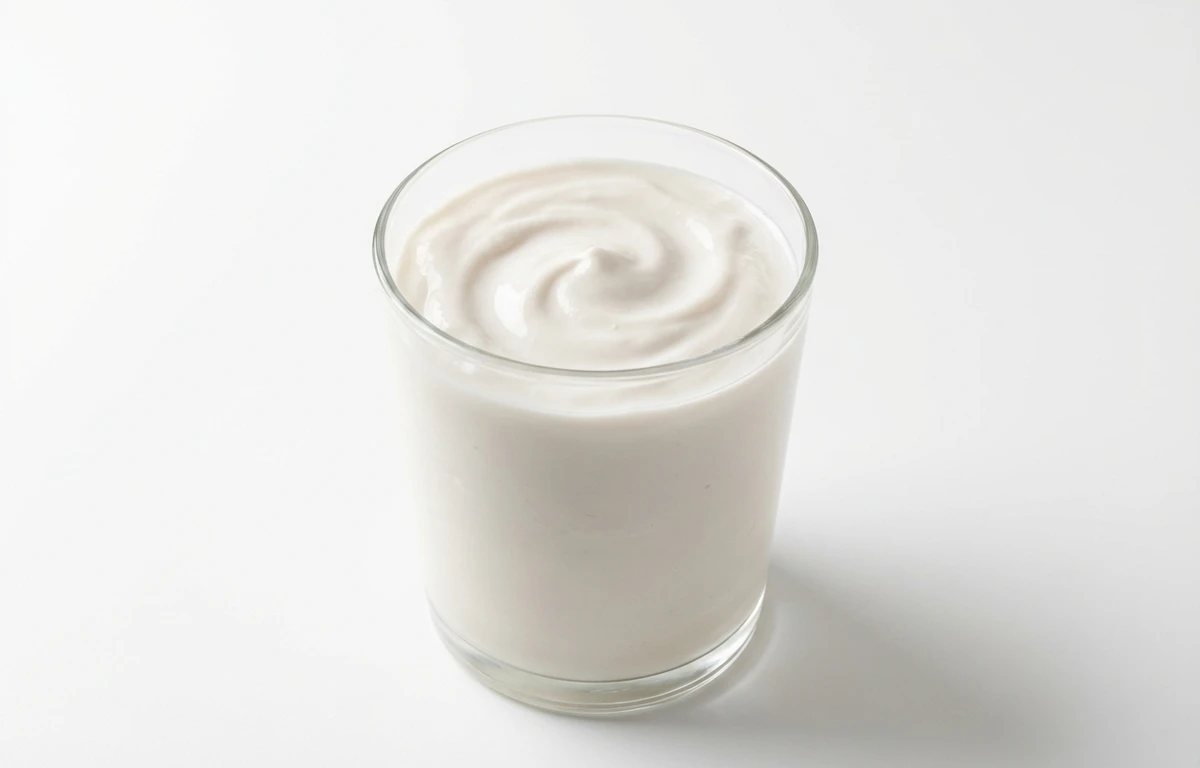
SERVING
CALORIES
230
PROTEIN
2.3g
CARBS
5.4g
FAT
23.8g
FIBER
2.2g
NUTRITION PROFILE · per 100 g
Everything in this ingredient.
MACRONUTRIENTS
Calories230kcal—
Protein2.3g5%
Carbohydrates5.4g2%
Fiber2.2g8%
Sugar2.7g5%
Total fat23.8g31%
Saturated fat21.1g106%
Cholesterol0mg0%
Water67.5g—
MINERALS
Sodium15mg1%
Potassium263mg6%
Calcium16mg1%
Iron1.6mg9%
Magnesium28mg7%
Phosphorus122mg10%
Zinc0.96mg9%
Copper0.38mg42%
Manganese1.3mg57%
VITAMINS
Vitamin A0µg0%
Vitamin C2.8mg3%
Vitamin D0µg0%
Thiamin (B1)0.03mg3%
Riboflavin (B2)0mg0%
Niacin (B3)0.89mg6%
Pantothenic acid (B5)0.26mg5%
Vitamin B60.05mg3%
Folate (B9)23µg6%
Vitamin B120µg0%
%DV based on a 2,000 cal diet. Source: USDA FoodData Central. A dash in the %DV column means there’s no established Daily Value for that nutrient.
MEASUREMENT CONVERSIONS
How much is what.
1 cup240g
1 tablespoon15g
1 teaspoon5g
1 oz30g
1 lb480g
1 ml1g
1 liter1000g
HEALTH BENEFITS
Why eat it.
- ✓Rich in Medium-Chain Triglycerides (MCTs), which are fats that can be a quick source of energy.
- ✓Contains lauric acid, a fatty acid that has been studied for its antimicrobial properties.
- ✓Provides essential minerals such as manganese, which is vital for bone health and metabolism, as well as copper and iron.
- ✓Serves as a lactose-free alternative to dairy milk, suitable for individuals with lactose intolerance.
COOKING TIPS
In the kitchen.
- 1For creamy curries and soups, add coconut milk towards the end of the cooking process and heat gently. Vigorous boiling can cause it to separate or curdle.
- 2To make dairy-free whipped cream, chill a can of full-fat coconut milk in the refrigerator overnight. Scoop out the solidified cream from the top, leaving the water behind, and whip until fluffy.
- 3Use as a rich and creamy base for smoothies, desserts like panna cotta or ice cream, and as a dairy-free coffee creamer.
- 4The high fat content makes it an excellent ingredient for creating moist and tender baked goods.
STORAGE
Keep it fresh.
- Store unopened cans in a cool, dark place like a pantry for up to 18 months.
- After opening, transfer any unused coconut milk to an airtight, non-metallic container and refrigerate for up to 5 days. The cream and water will separate when chilled; simply stir to recombine before use.
FAQ
Frequently asked questions.
Is full-fat coconut milk healthy?
Yes, in moderation. It's rich in Medium-Chain Triglycerides (MCTs) which can be a quick energy source, and contains lauric acid with potential antimicrobial properties. It also provides essential minerals like manganese, copper, and iron. However, it is high in calories and saturated fat, so portion control is important.
What are the nutritional values of full-fat coconut milk?
Per 100g, full-fat coconut milk contains approximately 230 calories, 23.8g of fat (mostly saturated), 5.44g of carbohydrates, and 2.29g of protein. It is a calorie-dense ingredient due to its high fat content.
Is full-fat coconut milk good for weight loss?
While high in calories, the MCTs in full-fat coconut milk can promote satiety and may slightly boost metabolism. However, due to its high caloric density, consuming large amounts can hinder weight loss. It's best used in moderation as part of a balanced diet.
Is full-fat coconut milk vegan and dairy-free?
Yes, full-fat coconut milk is both vegan and dairy-free. It is made from the flesh of mature coconuts and water, making it an excellent plant-based alternative for those avoiding animal products or with lactose intolerance.
Is full-fat coconut milk keto-friendly?
Yes, full-fat coconut milk is very keto-friendly. It is high in fat and relatively low in net carbohydrates, making it a popular ingredient for adding richness and flavor to keto meals and beverages while staying within carbohydrate limits.
What are the best uses for full-fat coconut milk in cooking?
Full-fat coconut milk is prized for its rich, creamy texture and subtle coconut flavor. It's excellent in curries, soups, stews, and desserts like puddings or ice cream. It can also be used to make dairy-free sauces or smoothies.
Can full-fat coconut milk be substituted for dairy milk?
Yes, it can often be substituted, especially in recipes where a rich, creamy texture is desired, like in sauces or baked goods. However, be mindful of its distinct coconut flavor and higher fat content, which will alter the taste and richness compared to dairy milk.
How should I store full-fat coconut milk once opened?
Once opened, full-fat coconut milk should be transferred to an airtight container and refrigerated. It typically stays fresh for 5-7 days in the refrigerator. Freezing is also an option for longer storage.
Can you freeze full-fat coconut milk?
Yes, full-fat coconut milk can be frozen. For best results, pour it into ice cube trays or freezer-safe containers. It may separate slightly upon thawing, but a good stir will usually bring it back together, making it suitable for cooking.
What is the difference between full-fat and light coconut milk?
The main difference is the fat content. Full-fat coconut milk contains more coconut solids and less water, resulting in a richer flavor, thicker consistency, and higher calorie count. Light coconut milk is diluted with more water, making it lower in fat and calories, but also less creamy.
RECIPES
Cook with full-fat coconut milk.
10 recipes · sorted by what’s quick



















