
Loading...
Also known as: Dahi, Whole Milk Curd, Indian Curd
Per 100g
Nutrition data source: USDA FoodData Central
Common measurement equivalents in grams
Freshly made or opened curd typically lasts for 3 to 5 days when refrigerated in an airtight container.
Freezing is not recommended for direct consumption as the texture becomes grainy and watery upon thawing, though it can still be used in cooked dishes.
Greek yogurt is the best substitute. For a dairy-free option, cashew or coconut yogurt can be used, though the flavor profile will change.
Look for signs of mold, a very sour or putrid smell, or a yellowish tint on the surface. If it tastes excessively fizzy or bitter, discard it.
Yes, that liquid is whey, which contains protein and minerals. You can either stir it back in or pour it off.
Boil milk, let it cool until lukewarm, stir in a teaspoon of existing curd (starter), and keep it in a warm place for 6-8 hours to set.
Full-fat curd has a creamier texture and provides fat-soluble vitamins (A, D, E, K) more effectively, though it is higher in calories.
Yes, the lactic acid in curd breaks down muscle fibers, making it an excellent marinade for meats like chicken and lamb.
Many people with mild lactose intolerance can tolerate curd because the fermentation process breaks down much of the lactose into lactic acid.
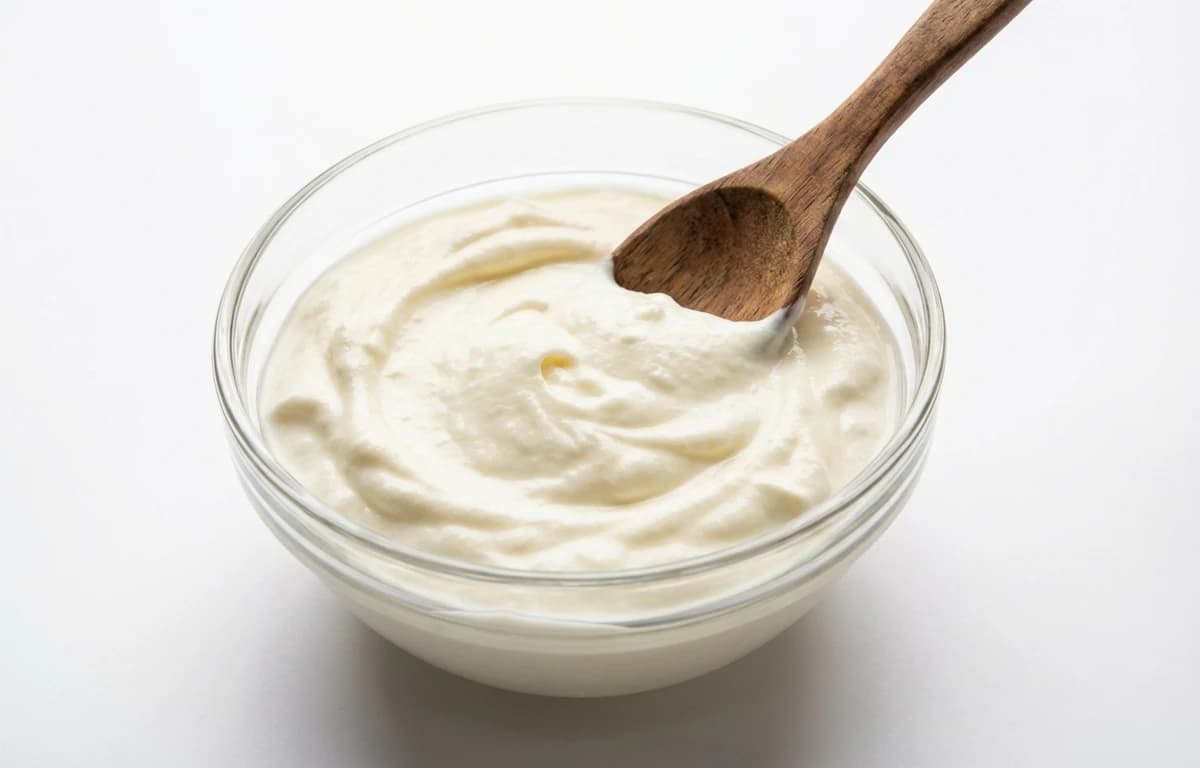
Full-Fat Curd is a versatile ingredient found in cuisines around the world. With 61 calories per 100g and 3.5 grams of protein, it's a nutritious addition to many dishes.
Explore more ingredients in the dairy category with complete nutrition information.
View all dairy →Discover 10 recipes featuring full-fat curd with step-by-step instructions.
Browse recipes →Explore more ingredients similar to Full-Fat Curd.
The most-searched ingredients on CraftMyMeals.