dairy1 recipes
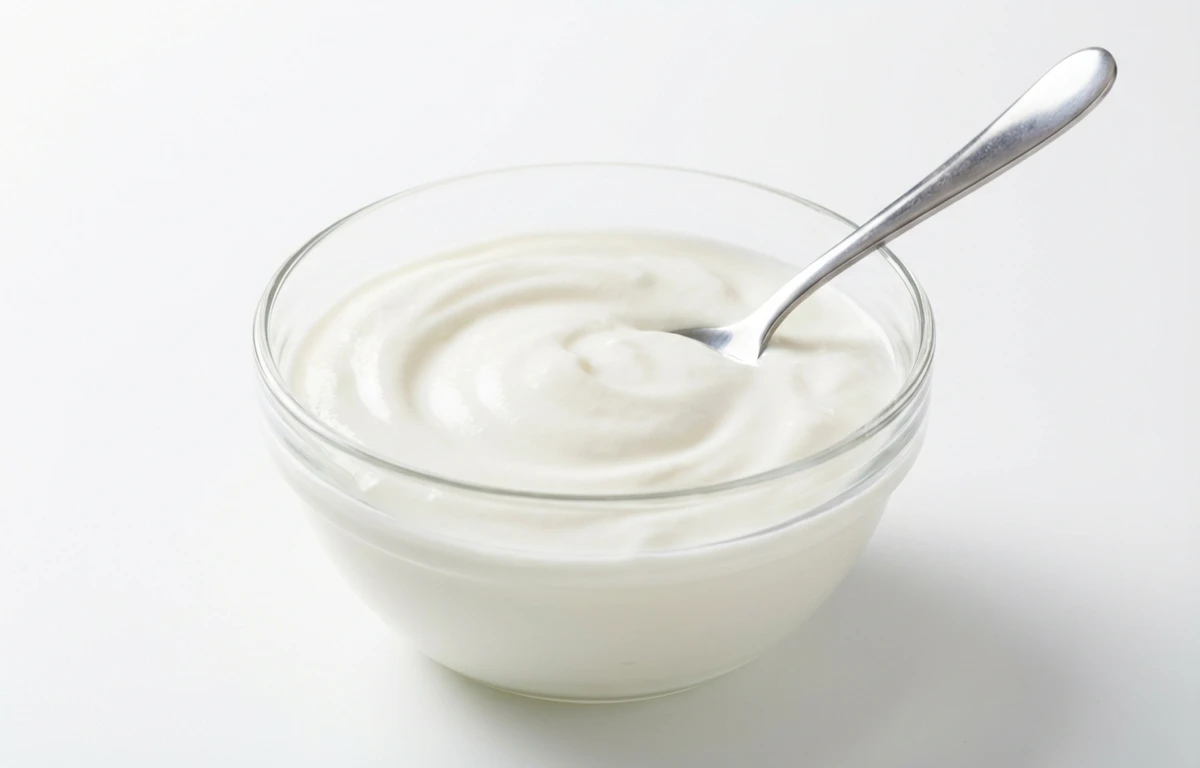
Full-fat Greek Yogurt.
VegetarianVeganGluten-freeDairy-freeNut-freePeanut-freeSoy-freeEgg-freeShellfish-freeHoney-freeAlcohol-freeFermented
ALSO KNOWN AS
plain full-fat greek yogurtwhole milk greek yogurtfull cream greek yogurt
SERVING
CALORIES
97
PROTEIN
9.0g
CARBS
3.9g
FAT
5.0g
FIBER
0g
NUTRITION PROFILE · per 100 g
Everything in this ingredient.
MACRONUTRIENTS
Calories97kcal—
Protein9.0g18%
Carbohydrates3.9g1%
Fiber0g0%
Sugar3.9g8%
Total fat5.0g6%
Saturated fat3.3g16%
Trans fat0.10g—
Cholesterol13mg4%
Water81.3g—
MINERALS
Sodium35mg2%
Potassium141mg3%
Calcium110mg8%
Iron0.05mg0%
Magnesium11mg3%
Phosphorus135mg11%
Zinc0.52mg5%
Copper0.01mg1%
Manganese0.01mg0%
Selenium9.7µg18%
VITAMINS
Vitamin A51µg6%
Vitamin C0mg0%
Vitamin D0.10µg1%
Vitamin E0.01mg0%
Vitamin K0.10µg0%
Thiamin (B1)0.02mg2%
Riboflavin (B2)0.23mg18%
Niacin (B3)0.21mg1%
Pantothenic acid (B5)0.59mg12%
Vitamin B60.06mg4%
Folate (B9)7.0µg2%
Vitamin B120.75µg31%
%DV based on a 2,000 cal diet. Source: USDA FoodData Central. A dash in the %DV column means there’s no established Daily Value for that nutrient.
MEASUREMENT CONVERSIONS
How much is what.
1 cup245g
1 tablespoon16g
1 teaspoon5.3g
1 oz28.4g
1 lb453.6g
1 ml1.1g
1 liter1060g
HEALTH BENEFITS
Why eat it.
- ✓High protein content supports muscle maintenance and satiety
- ✓Contains probiotics that promote a healthy gut microbiome
- ✓Excellent source of calcium for bone health
- ✓Provides Vitamin B12 essential for energy metabolism
- ✓Lower lactose content compared to regular yogurt due to straining
COOKING TIPS
In the kitchen.
- 1Whisk before using to achieve a smooth, creamy consistency
- 2When adding to hot sauces, stir in at the end off-heat to prevent curdling
- 3Use as a high-protein, lower-calorie substitute for sour cream or mayonnaise
STORAGE
Keep it fresh.
- Store in the coldest part of the refrigerator at or below 40°F (4°C)
- Keep the container tightly sealed to prevent absorption of other food odors
- Avoid freezing as it significantly alters the creamy texture and causes separation
FAQ
Frequently asked questions.
How long does full-fat Greek yogurt last after opening?
Once opened, it typically stays fresh for 7 to 10 days if kept refrigerated and sealed.
Can I freeze Greek yogurt?
Freezing is not recommended for eating plain as the texture becomes grainy and watery, though it can be used in smoothies after freezing.
What is the difference between Greek yogurt and regular yogurt?
Greek yogurt is strained to remove liquid whey, resulting in a thicker consistency and higher protein concentration.
Is full-fat Greek yogurt better than low-fat?
Full-fat yogurt is more satiating and often contains less added sugar than low-fat versions, though it is higher in calories.
What can I use as a substitute for Greek yogurt?
Sour cream, Icelandic skyr, or thick labneh are the best substitutes for texture and tang.
How can I tell if Greek yogurt has gone bad?
Look for visible mold, a sharp sour or yeasty smell, or an unusually large amount of liquid separation (though a little whey is normal).
Is Greek yogurt suitable for people with lactose intolerance?
Many people with mild lactose intolerance tolerate Greek yogurt well because the straining process removes much of the lactose-rich whey.
Can I use Greek yogurt in baking?
Yes, it adds moisture and a slight tang to cakes, muffins, and breads, often acting as a substitute for butter or oil.
RECIPES
Cook with full-fat greek yogurt.
1 recipes · sorted by what’s quick