dairy10 recipes
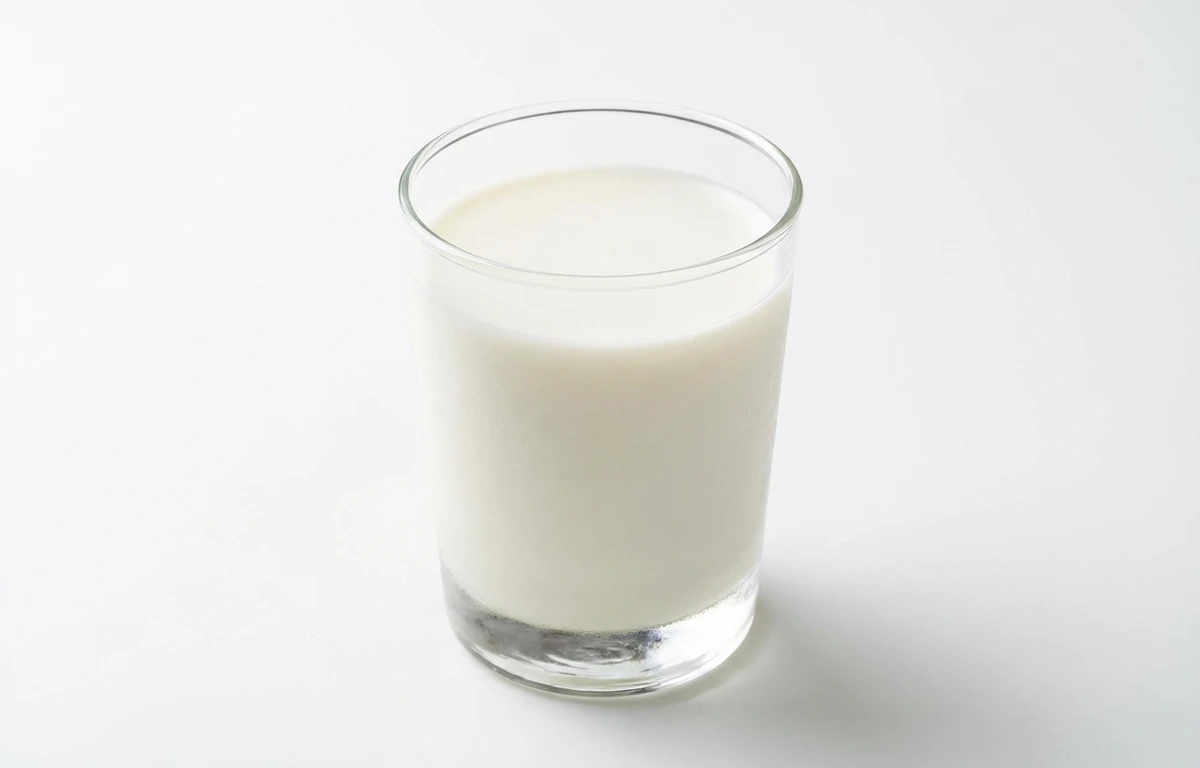
Full Fat Milk.
VegetarianVeganGluten-freeDairy-freeNut-freePeanut-freeSoy-freeEgg-freeShellfish-freeHoney-freeAlcohol-free
ALSO KNOWN AS
whole milkfull cream milk3.25% milk
SERVING
CALORIES
61
PROTEIN
3.1g
CARBS
4.8g
FAT
3.3g
FIBER
0g
NUTRITION PROFILE · per 100 g
Everything in this ingredient.
MACRONUTRIENTS
Calories61kcal—
Protein3.1g6%
Carbohydrates4.8g2%
Fiber0g0%
Sugar4.8g10%
Total fat3.3g4%
Saturated fat1.9g9%
Trans fat0.10g—
Cholesterol10mg3%
Water88.1g—
MINERALS
Sodium44mg2%
Potassium132mg3%
Calcium113mg9%
Iron0.03mg0%
Magnesium10mg2%
Phosphorus84mg7%
Zinc0.37mg3%
Copper0.01mg1%
Manganese0mg0%
Selenium3.7µg7%
VITAMINS
Vitamin A46µg5%
Vitamin C0mg0%
Vitamin D1.3µg7%
Vitamin E0.07mg0%
Vitamin K0.30µg0%
Thiamin (B1)0.04mg3%
Riboflavin (B2)0.18mg14%
Niacin (B3)0.10mg1%
Pantothenic acid (B5)0.36mg7%
Vitamin B60.04mg2%
Folate (B9)5.0µg1%
Vitamin B120.45µg19%
%DV based on a 2,000 cal diet. Source: USDA FoodData Central. A dash in the %DV column means there’s no established Daily Value for that nutrient.
MEASUREMENT CONVERSIONS
How much is what.
1 cup244g
1 tablespoon15.5g
1 teaspoon5.2g
1 oz28.4g
1 lb453.6g
1 ml1g
1 liter1030g
HEALTH BENEFITS
Why eat it.
- ✓Excellent source of calcium for bone health
- ✓High-quality complete protein for muscle repair
- ✓Contains Vitamin B12 for nervous system support
- ✓Rich in phosphorus and potassium
- ✓Fat content aids absorption of fat-soluble vitamins A and D
COOKING TIPS
In the kitchen.
- 1Heat slowly over medium-low heat to prevent scorching or forming a skin
- 2Stir constantly when boiling to ensure even heat distribution
- 3Temper milk by adding a little hot liquid to it before adding it to a hot dish to prevent curdling
STORAGE
Keep it fresh.
- Store in the main body of the refrigerator, not the door, to maintain consistent temperature
- Keep the container tightly sealed to prevent absorption of other food odors
- Check the 'use by' date and consume within 5-7 days of opening
FAQ
Frequently asked questions.
How long does full fat milk last after opening?
Once opened, full fat milk typically stays fresh for 5 to 7 days if kept refrigerated at or below 4°C (40°F).
Can full fat milk be frozen?
Yes, it can be frozen for up to 3 months. However, the texture may become slightly grainy or separated upon thawing; shake well before use.
What is the best substitute for full fat milk in baking?
The best substitute is a 1:1 ratio of soy milk or a mix of 3/4 cup 2% milk and 1/4 cup heavy cream to match the fat content.
Why is it called 'whole' milk?
It is called whole milk because the fat content has not been removed; it remains at its natural state of approximately 3.25% to 3.5% milkfat.
How can I prevent a skin from forming on heated milk?
Stir the milk frequently while heating, or cover the pot with a lid to trap steam and keep the surface moist.
Is full fat milk better for coffee than skim milk?
Yes, the higher fat content creates a creamier texture and a more stable foam for lattes and cappuccinos.
What should I look for when buying milk?
Check the expiration date, ensure the carton is not bloated, and make sure the container feels very cold to the touch.
Does boiling milk destroy its nutrients?
Boiling can slightly reduce the levels of some heat-sensitive vitamins like B12 and B6, but the mineral content like calcium remains stable.
Is full fat milk suitable for people with lactose intolerance?
No, full fat milk contains lactose. Those with intolerance should look for lactose-free versions or plant-based alternatives.
Why does milk sometimes curdle when added to coffee?
This usually happens if the coffee is very acidic or if the milk is nearing its expiration date, causing the proteins to clump.
RECIPES
Cook with full fat milk.
10 recipes · sorted by what’s quick