
Loading...
Also known as:
Per 100g
Nutrition data source: USDA FoodData Central
Common measurement equivalents in grams
Full-fat sour cream provides calcium, Vitamin A, and B12, and can contain probiotics for gut health if it has live cultures. However, it is high in calories and saturated fat, so it's best consumed in moderation as part of a balanced diet.
Per 100g, full-fat sour cream contains approximately 198 calories and 19.3g of fat, with a significant portion being saturated fat. It also provides 2.4g of protein and 3.8g of carbohydrates.
Due to its high calorie and fat content, full-fat sour cream is generally not considered ideal for weight loss when consumed in large quantities. While it can be enjoyed in moderation, lighter alternatives or smaller portions would be more suitable for a calorie-restricted diet.
No, full-fat sour cream is not vegan. It is a dairy product made from cow's milk and therefore contains animal-derived ingredients.
Full-fat sour cream is not lactose-free, but the fermentation process reduces its lactose content compared to regular milk. Individuals with mild lactose intolerance might tolerate it better, but those with severe intolerance should opt for certified lactose-free alternatives.
Yes, diabetics can generally eat full-fat sour cream in moderation. It is relatively low in carbohydrates (3.8g per 100g), which helps manage blood sugar levels. However, its high fat content should be considered for overall dietary fat intake.
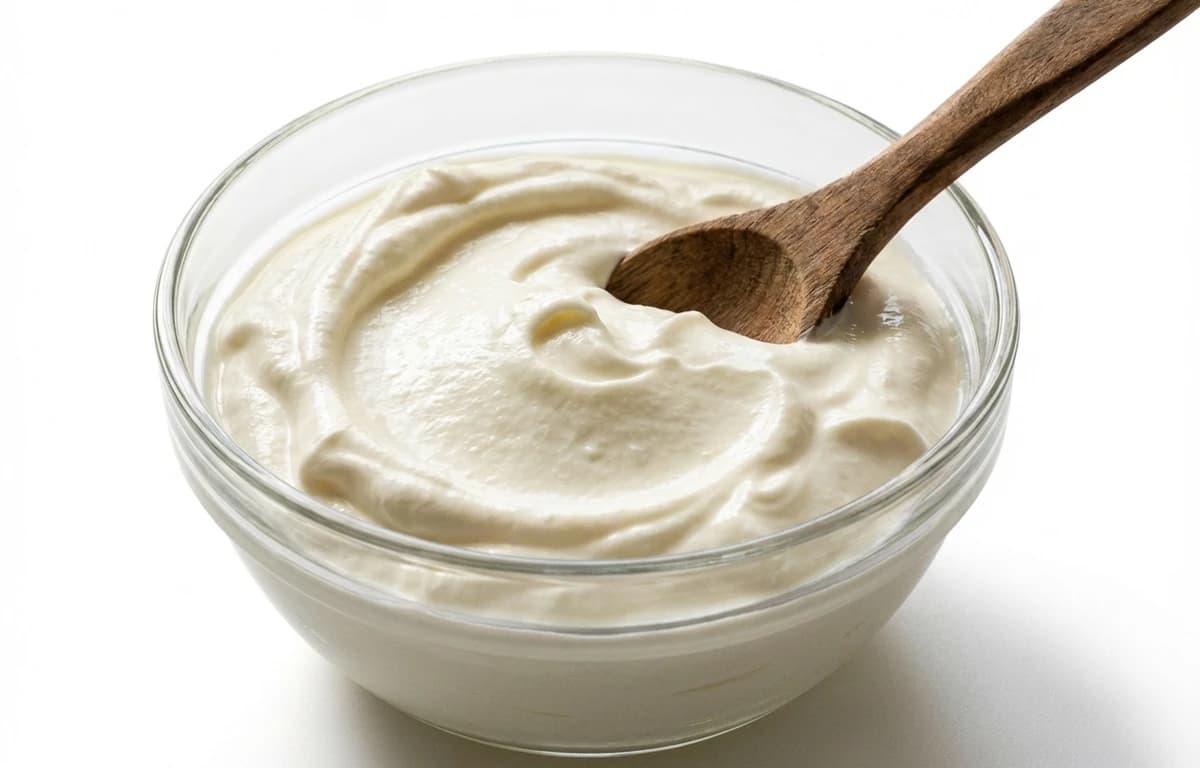
Full-fat sour cream has a rich, tangy, and slightly acidic flavor with a thick, creamy texture. It's commonly used as a topping for baked potatoes, chili, and tacos, or as an ingredient in dips, dressings, and baked goods to add moisture and richness.
full-fat sour cream is a versatile ingredient found in cuisines around the world. With 198 calories per 100g and 2.4 grams of protein, it's a nutritious addition to many dishes.
Explore more ingredients in the dairy product category with complete nutrition information.
View all dairy product →Discover 6 recipes featuring full-fat sour cream with step-by-step instructions.
Browse recipes →Explore more ingredients similar to full-fat sour cream.
The most-searched ingredients on CraftMyMeals.
Yes, full-fat sour cream can be cooked with, but it's best added towards the end of cooking or gently heated to prevent curdling. Its high fat content helps stabilize it, but extreme heat or boiling can still cause separation.
Store full-fat sour cream in the refrigerator at 40°F (4°C) or below, tightly sealed. An unopened container typically lasts until the 'best by' date, while an opened container is usually good for 1-2 weeks, provided it's kept cold and clean.
While technically possible, freezing full-fat sour cream is not recommended for culinary uses where texture is important. Freezing causes the water and fat to separate, resulting in a grainy or watery texture upon thawing, making it less suitable for dips or toppings. It might still be usable in cooked dishes where texture changes are less noticeable.