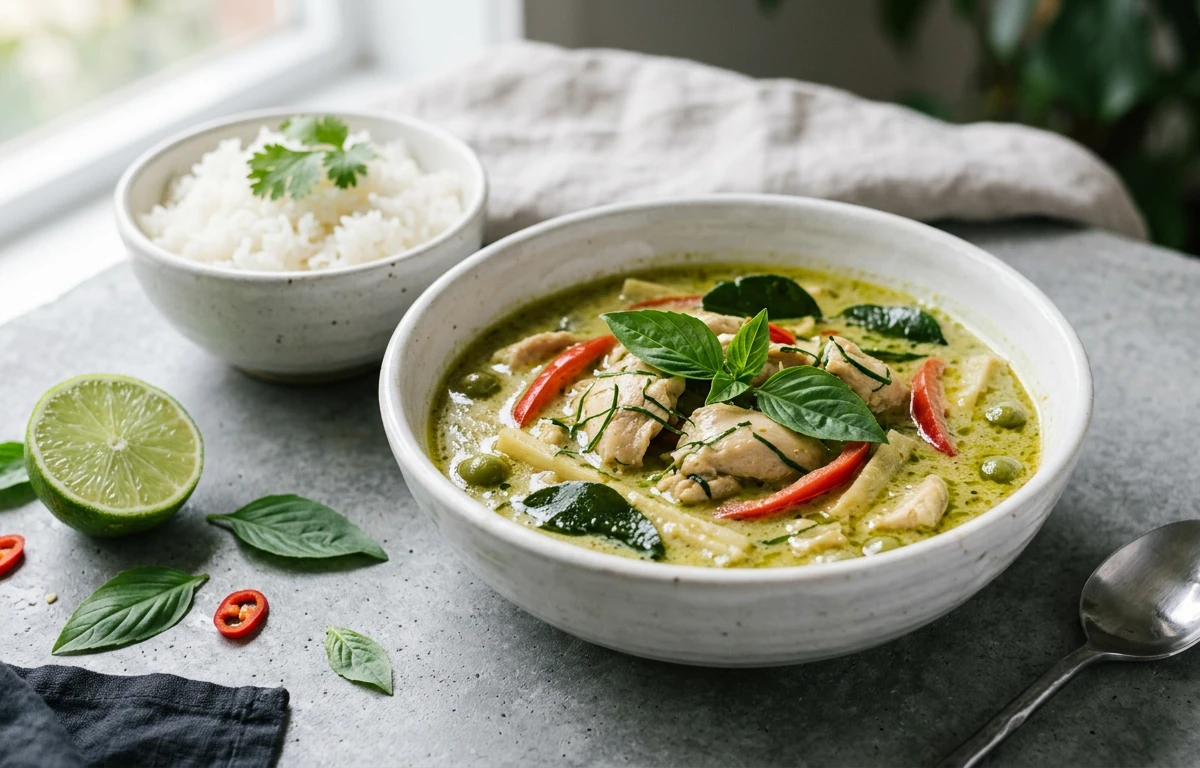
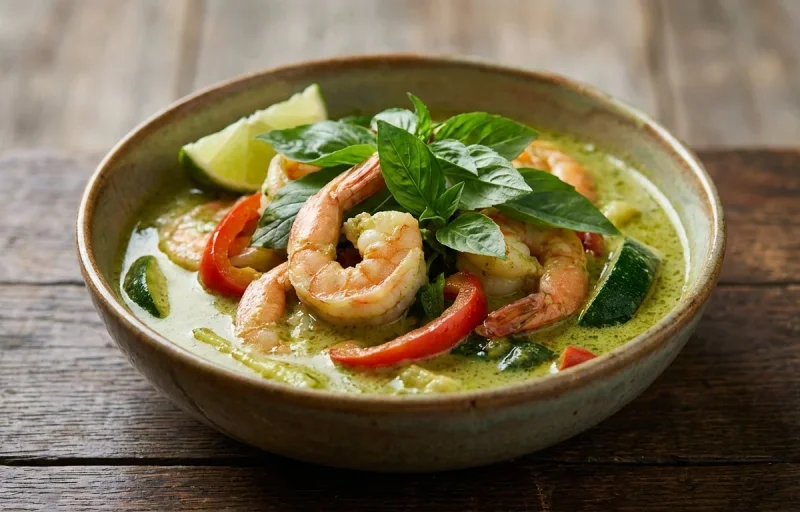
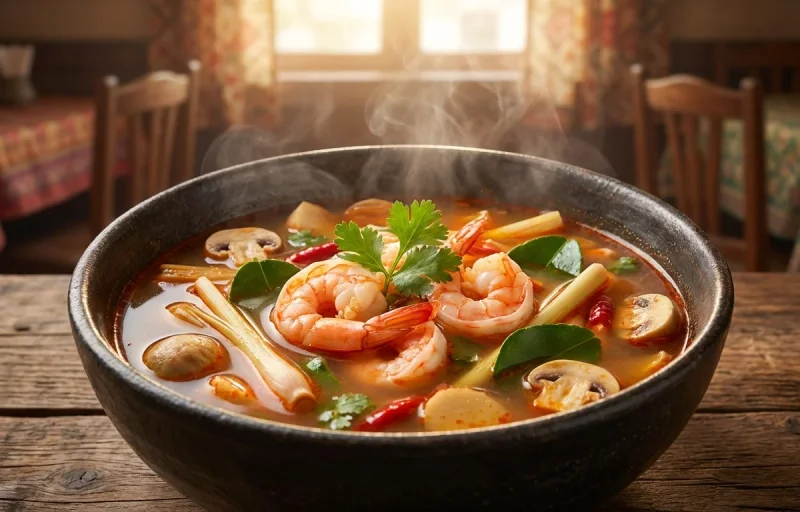
Other7 recipes
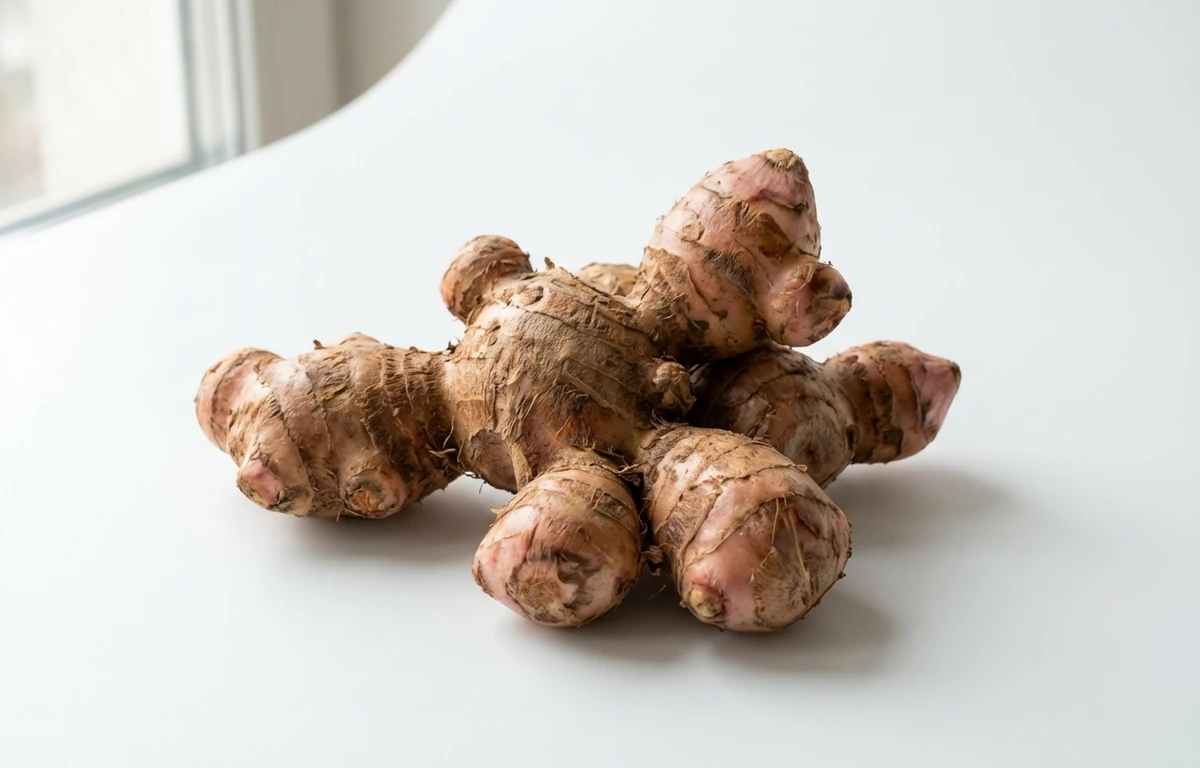
galangal.
VegetarianVeganGluten-freeDairy-freeNut-freePeanut-freeSoy-freeEgg-freeShellfish-freeHoney-freeAlcohol-freeHalalKosher
ALSO KNOWN AS
Thai gingerSiamese gingerlengkuasblue ginger
SERVING
CALORIES
71
PROTEIN
1.5g
CARBS
15g
FAT
0.50g
FIBER
2.0g
This ingredient is flagged as naturally gluten-free.
NUTRITION PROFILE · per 100 g
Everything in this ingredient.
MACRONUTRIENTS
Calories71kcal—
Protein1.5g3%
Carbohydrates15g5%
Fiber2.0g7%
Sugar1.5g3%
Total fat0.50g1%
Saturated fat0.10g1%
Cholesterol0mg0%
Water80g—
MINERALS
Sodium6.0mg0%
Potassium300mg6%
Calcium20mg2%
Iron0.50mg3%
Magnesium18mg4%
Phosphorus27mg2%
Zinc0.20mg2%
VITAMINS
Vitamin A0µg0%
Vitamin C5.0mg6%
Vitamin D0µg0%
Thiamin (B1)0.03mg3%
Riboflavin (B2)0.03mg2%
Niacin (B3)0.75mg5%
Vitamin B60.15mg9%
%DV based on a 2,000 cal diet. Source: USDA FoodData Central. A dash in the %DV column means there’s no established Daily Value for that nutrient.
MEASUREMENT CONVERSIONS
How much is what.
1 cup150g
1 tablespoon9.4g
1 teaspoon3.1g
1 ml0.6g
1 liter626.7g
1 piece15g
HEALTH BENEFITS
Why eat it.
- ✓Traditionally used to aid digestion, relieve nausea, and soothe stomach discomfort.
- ✓Contains antimicrobial compounds that may help fight certain bacterial infections.
COOKING TIPS
In the kitchen.
- 1Galangal is much tougher and more fibrous than ginger; it should be thinly sliced or pounded into a paste for use in curries and soups.
- 2Due to its woody texture, large slices are often used to infuse flavor into broths and are removed before serving.
- 3The flavor is sharp, peppery, and pine-like, distinct from ginger. It is a key ingredient in Thai dishes like Tom Yum and Tom Kha Gai.
- 4Always peel the tough, papery skin before using. A spoon or vegetable peeler works well.
STORAGE
Keep it fresh.
- Store fresh, unpeeled galangal in the crisper drawer of the refrigerator for up to three weeks.
- For long-term storage, peel and slice or grate the galangal, then freeze it in an airtight container or freezer bag for up to three months.
FAQ
Frequently asked questions.
What are the nutritional facts for galangal?
Per 100g, galangal contains approximately 71 calories, 1.5g of protein, 15g of carbohydrates, and 0.5g of fat. As a spice, it's typically consumed in small quantities, contributing minimal calories and macronutrients to a meal.
Can galangal help with digestion?
Yes, galangal has been traditionally used to aid digestion and soothe stomach discomfort. It is known to help relieve nausea and may stimulate digestive processes, making it beneficial for overall gut health.
Is galangal gluten-free?
Yes, galangal is naturally gluten-free. As a root spice, it does not contain wheat, barley, or rye, making it a safe ingredient for individuals following a gluten-free diet.
Is galangal vegan?
Yes, galangal is vegan. It is a plant-based root spice and contains no animal products or by-products, making it suitable for vegan diets.
Is galangal keto-friendly?
While galangal contains carbohydrates (15g per 100g), it is typically used in very small quantities as a spice. Therefore, the net carb contribution to a dish is usually negligible, making it generally suitable for a keto diet when used sparingly.
How do you use galangal in cooking?
Galangal is a staple in Southeast Asian cuisine, especially Thai, Indonesian, and Malaysian dishes. It's often sliced, crushed, or pounded into pastes for curries, soups (like Tom Yum), stir-fries, and marinades, infusing a pungent, citrusy, and peppery flavor.
What does galangal taste like?
Galangal has a sharp, citrusy, piney, and slightly peppery flavor with a hint of earthiness. It is more pungent and less sweet than ginger, possessing a distinct aroma that is a hallmark of many traditional Thai dishes.
Can I substitute galangal with ginger?
While ginger is sometimes used as a substitute, it's not ideal as galangal has a unique flavor profile that is more citrusy and piney than ginger's spicy sweetness. For a closer, though still distinct, alternative, you might try a small amount of ginger combined with a squeeze of lime zest.
How do you store fresh galangal?
Fresh galangal can be stored in the refrigerator for up to 2-3 weeks, wrapped in a paper towel and placed in a plastic bag or airtight container. For longer storage, it can be peeled, sliced, and frozen for several months.
RECIPES
Cook with galangal.
7 recipes · sorted by what’s quick